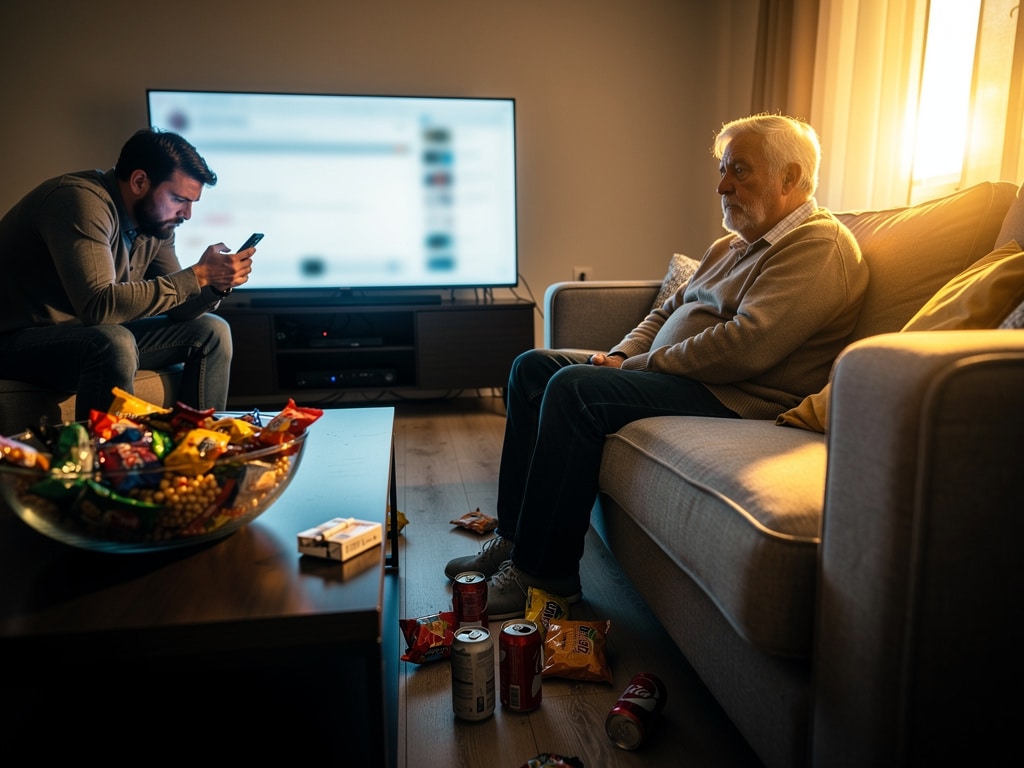

Physical Stamina Supports Daily Activities

The ability to accomplish daily tasks without excessive fatigue indicates that your cardiovascular system, muscles, and energy metabolism are functioning adequately. If you can walk to complete errands, climb stairs without becoming breathless, carry groceries, and engage in household tasks or hobbies without needing frequent rest, your functional capacity remains strong. This type of everyday endurance matters more for quality of life than athletic performance and reflects the body’s ability to deliver oxygen and nutrients to working muscles efficiently.
Consider whether you can sustain activity for reasonable periods without unusual fatigue. The capacity to walk for thirty minutes, work in the garden, play with grandchildren, or engage in recreational activities suggests that your heart, lungs, and muscles are meeting the demands of daily life. While elite athletic performance naturally declines with age, functional stamina for everyday activities can be maintained at high levels well into later decades, particularly among those who remain consistently active.
Your Weight and Appetite Remain Stable
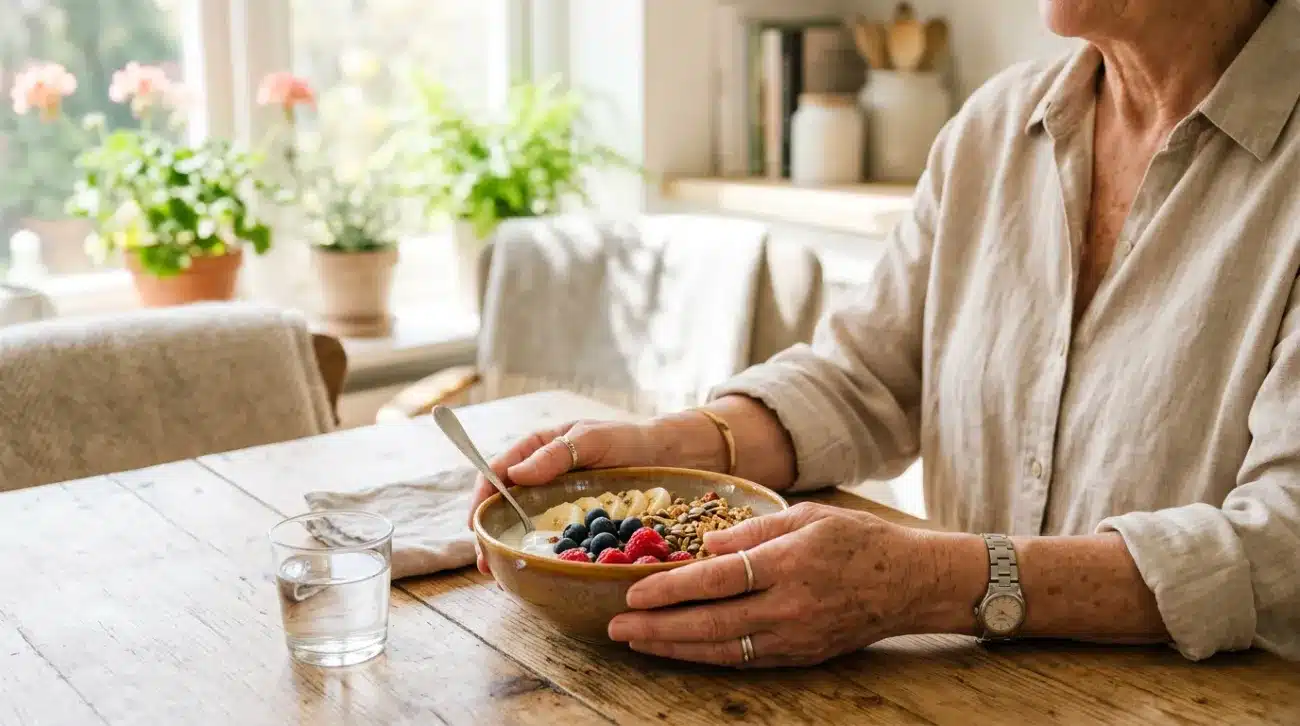
Maintaining a relatively stable weight without intentional dieting, and experiencing normal appetite patterns, suggests that your metabolic and hormonal systems are well-regulated. While metabolism naturally slows somewhat with age, dramatic unintentional weight changes in either direction can signal underlying health issues. If your weight has remained within a reasonable range and you continue to enjoy food without significant changes in appetite, these are reassuring signs of metabolic health.
The ability to maintain muscle mass is particularly important in aging, as muscle tissue supports metabolism, protects joints, and enables functional movement. If you notice that your strength has remained relatively consistent, that you can still open jars, carry reasonable loads, and rise from chairs without using your arms for assistance, you are retaining the muscle function that supports independence and vitality. This preservation of lean tissue reflects both adequate nutrition and sufficient physical activity to signal to your body that muscle mass should be maintained.
Independence in Daily Living Continues

Perhaps the most meaningful measure of healthy aging is the continued ability to live independently and manage the activities of daily living. If you can bathe, dress, prepare meals, manage finances, drive or use transportation, and maintain your living space without assistance, you are demonstrating the physical, cognitive, and organizational capabilities that define successful aging. These seemingly mundane tasks actually require the integration of multiple complex abilities, from fine motor control to executive function to physical stamina.
The preservation of independence reflects not just physical health but also the motivation, planning ability, and problem-solving skills needed to navigate daily challenges. If you can adapt when circumstances change, find alternative solutions when faced with obstacles, and continue pursuing the activities that matter to you, these capabilities indicate robust aging across multiple dimensions. Independence is not about refusing help when it would be beneficial, but rather about maintaining the underlying abilities that allow for self-direction and meaningful engagement with life.
Embracing the Evidence of Your Own Vitality
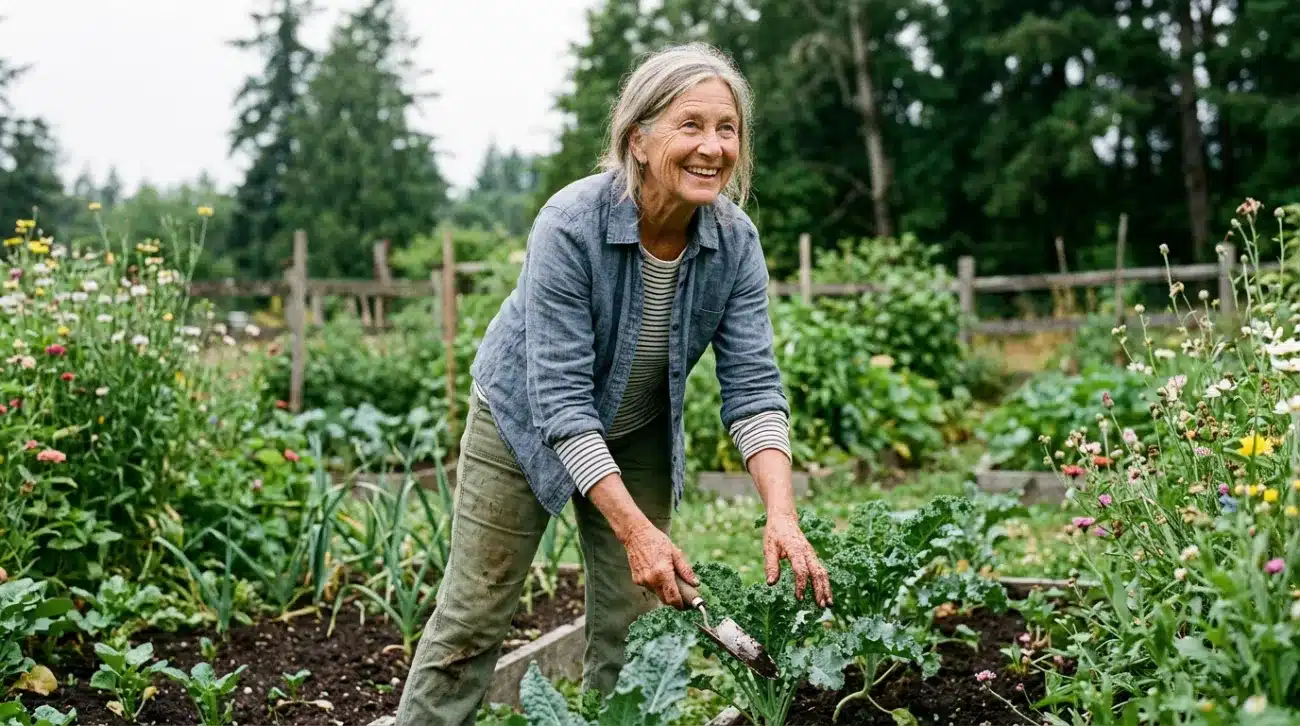
The signs of healthy aging often hide in plain sight, embedded in the routine activities and capabilities we take for granted until we pause to recognize their significance. If you can move through your day with reasonable energy, engage meaningfully with others, adapt to new challenges, and maintain the independence to direct your own life, you possess evidence of vitality that deserves acknowledgment and appreciation. Rather than focusing exclusively on the markers of decline that inevitably accompany the passage of time, recognizing the many ways your body and mind continue to serve you well can foster a more balanced and ultimately healthier perspective on aging. The capacity to appreciate these positive indicators is itself a form of wisdom that tends to grow with age, completing a cycle in which healthy aging supports the perspective needed to recognize and value healthy aging.