
Things Your Hands Can Reveal About Your Health
From nail abnormalities to skin texture changes, your hands offer visible clues that healthcare professionals use to assess underlying conditions.
Your hands serve as remarkable diagnostic tools that physicians and healthcare practitioners have relied upon for centuries. The things your hands can reveal about your health extend far beyond simple cosmetic observations, offering windows into cardiovascular function, liver health, thyroid activity, and numerous other systemic conditions. Medical professionals routinely examine patients’ hands during physical assessments precisely because the fingers, nails, palms, and skin can display visible manifestations of internal disorders. Understanding what these signals mean empowers individuals to recognize potential warning signs and seek appropriate medical evaluation when changes occur.
What Your Fingernails Tell Doctors About Internal Conditions

Fingernails grow from the nail matrix beneath the cuticle, and their appearance reflects the body’s overall health during the months of their formation. Healthcare providers pay close attention to nail characteristics because certain patterns correlate strongly with specific medical conditions. The color, texture, shape, and strength of nails provide diagnostic information that supplements other clinical findings.
Pale or white nail beds sometimes indicate anemia, a condition characterized by insufficient red blood cells or hemoglobin. When the normal pink coloration beneath the nail diminishes noticeably, physicians often check hemoglobin levels and investigate potential causes of blood loss or impaired red cell production. Conversely, nails with a bluish tinge may suggest poor oxygenation, prompting evaluation of respiratory or cardiovascular function.
Nail pitting, characterized by small depressions across the nail surface, appears frequently in individuals with psoriasis and occasionally in those with alopecia areata or other autoimmune conditions. Deep horizontal grooves called Beau’s lines can develop following severe illness, major surgery, or significant physiological stress, marking the period when nail growth temporarily slowed or stopped. Vertical ridges, while often simply a normal feature of aging, become more prominent over time in most individuals.
Clubbing: A Significant Clinical Finding
Digital clubbing refers to a distinctive change where fingertips enlarge and nails curve downward around the tips. This finding has been documented in medical literature for centuries and is associated with various pulmonary conditions, cardiovascular diseases, and certain gastrointestinal disorders. The underlying mechanism involves tissue changes related to oxygen levels and growth factors. Any new onset of clubbing warrants medical evaluation.
Skin Changes on Hands That May Signal Health Issues
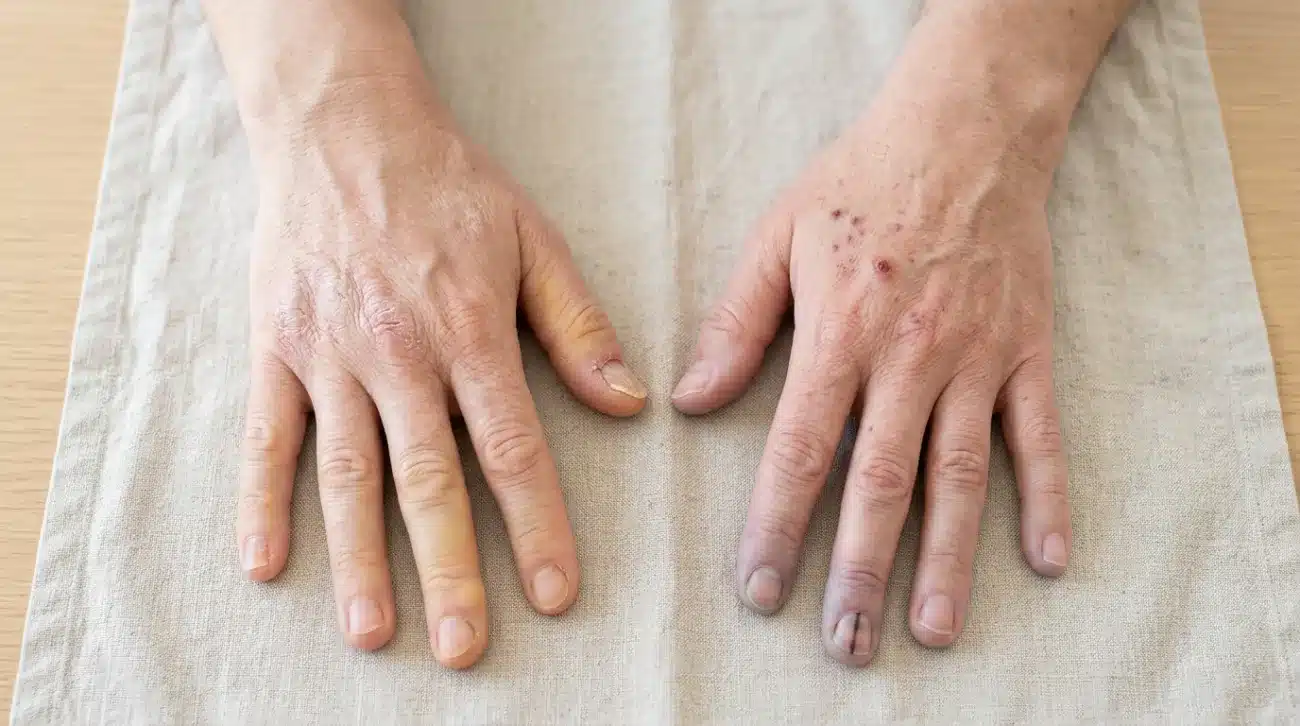
The skin covering the hands responds sensitively to both internal conditions and external factors, making it a valuable diagnostic surface. Physicians observe skin color, texture, moisture, and any unusual markings during routine examinations. Certain patterns have well-established associations with specific diseases, though individual variation means that professional interpretation remains essential.
Palmar erythema, a reddening of the palms particularly noticeable at the base of the thumb and around the palm’s outer edge, occurs in several contexts. Pregnancy commonly produces this change due to hormonal shifts and increased blood volume. However, palmar erythema also appears in chronic liver disease, rheumatoid arthritis, and thyroid disorders, making clinical context crucial for interpretation.
Yellow discoloration of the palms and skin can result from several causes. Carotenemia, caused by excessive consumption of carotene-rich foods like carrots and sweet potatoes, produces yellow skin that notably spares the whites of the eyes. Jaundice, by contrast, turns both skin and eye whites yellow due to elevated bilirubin levels, often indicating liver or gallbladder problems requiring medical attention.
Dry, Rough Skin
Persistently dry hand skin that doesn’t respond to moisturizers may indicate thyroid dysfunction, diabetes, or nutritional deficiencies. Environmental factors and frequent hand washing also contribute significantly.
Thickened Skin
Unusual skin thickening on the hands appears in certain connective tissue disorders and in long-standing diabetes. The texture may feel waxy or tight, and finger mobility can become restricted.
Rashes and Lesions
Various skin conditions present characteristically on the hands, including eczema, psoriasis, and contact dermatitis. Certain systemic diseases also produce distinctive hand rashes that aid diagnosis.
Pigmentation Changes
New areas of darkening, particularly in skin creases, may indicate endocrine disorders. Age spots and sun damage also affect hand appearance but typically develop gradually over years.
Circulation Problems and Raynaud’s Phenomenon
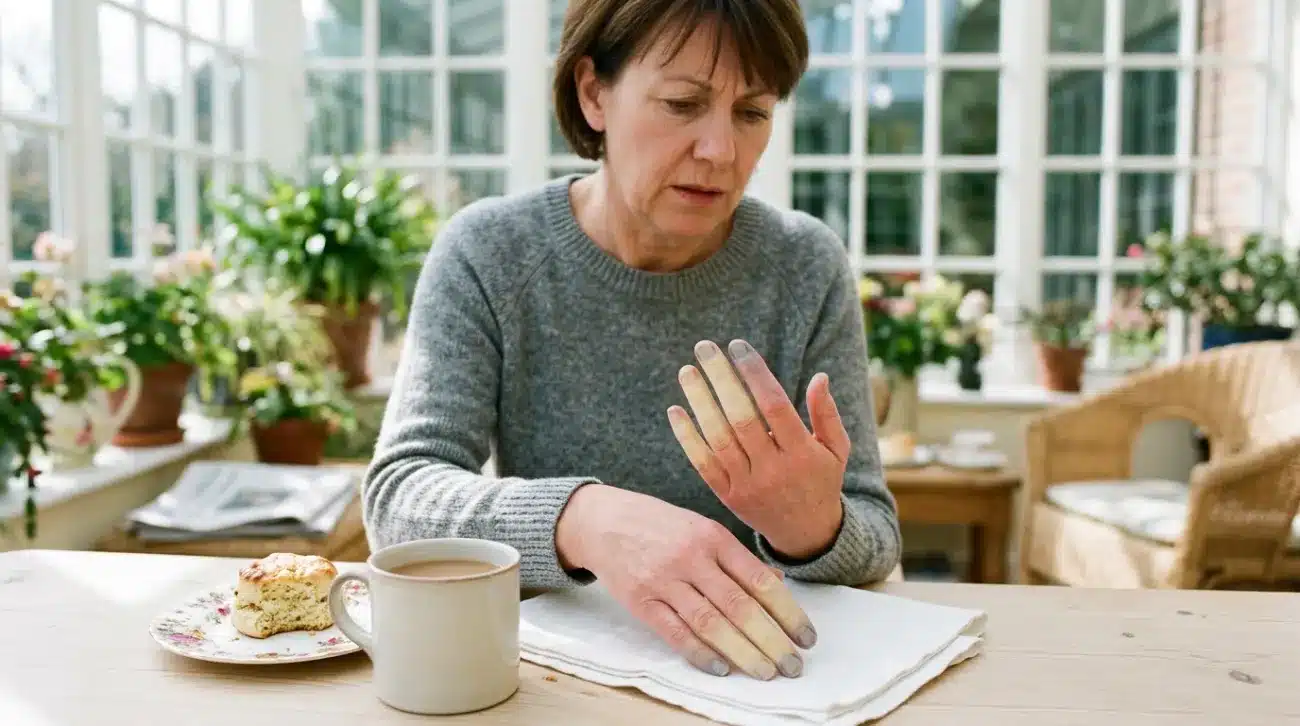
Blood flow to the hands provides essential warmth and nutrients, and disruptions in circulation produce visible and sometimes dramatic symptoms. Cold hands represent one of the most common complaints, usually reflecting normal physiological responses to cold environments rather than disease. However, persistent coldness, color changes, or associated symptoms merit medical evaluation.
Raynaud’s phenomenon describes episodes where fingers turn white, then blue, and finally red in response to cold exposure or emotional stress. The initial whiteness results from arterial spasm cutting off blood supply, the blueness from depleted oxygen in stagnant blood, and the redness from restored blood flow. Primary Raynaud’s occurs without underlying disease and affects a significant portion of the population, particularly women. Secondary Raynaud’s accompanies various connective tissue disorders, certain medications, and occupational exposures.
Visible changes in hand veins also carry potential significance. Prominent, distended veins may simply reflect normal variation, aging, or warm temperatures. However, in certain contexts, venous changes relate to heart function or localized obstructions. Physicians assess hand veins as part of evaluating overall cardiovascular status, particularly noting filling patterns when the hand position changes.
Common Hand-Related Health Indicators by Body System
Arthritis Signs and Joint Health Visible in the Hands
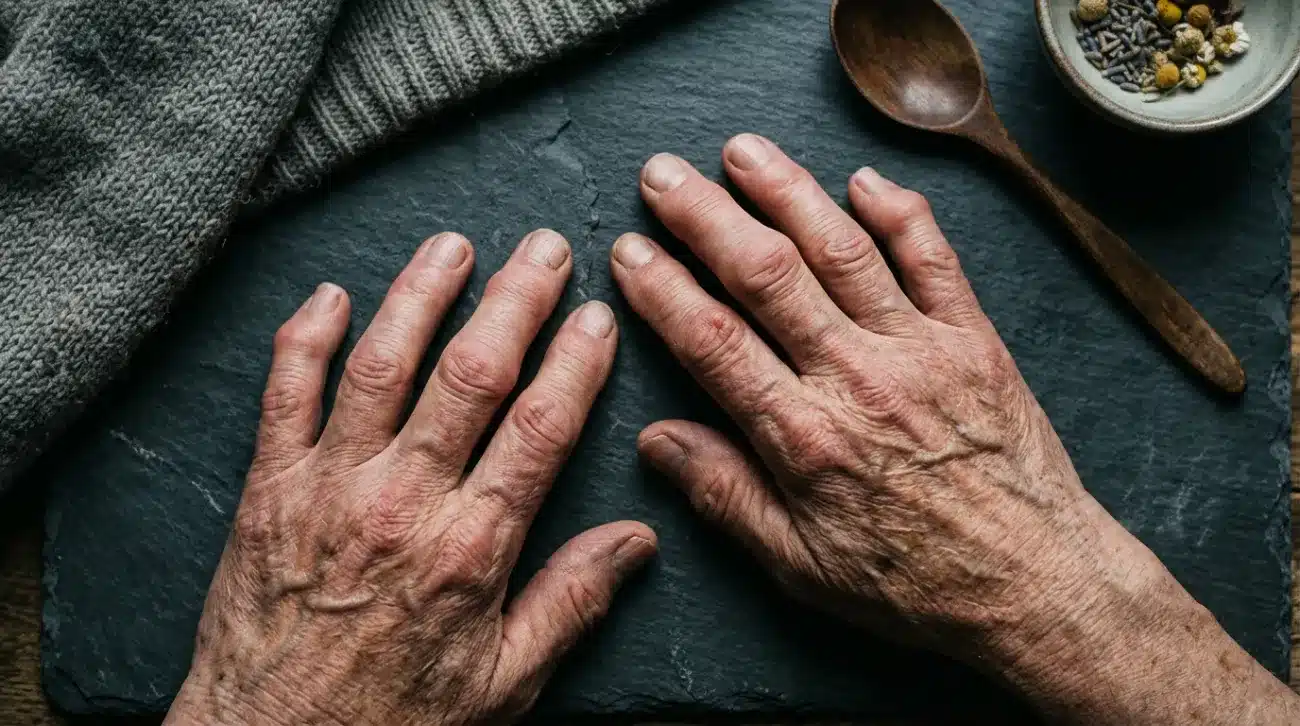
The hands contain numerous small joints that frequently display early signs of arthritic conditions. Rheumatologists and primary care physicians examine hand joints carefully, noting swelling, deformity, range of motion, and specific patterns of involvement. Different types of arthritis produce characteristic appearances that guide diagnosis and treatment planning.
Rheumatoid arthritis typically affects joints symmetrically and often involves the knuckles and middle finger joints while sparing the joints closest to the fingertips. Over time, inflammation can cause distinctive deformities including ulnar deviation, where fingers angle toward the little finger side. Swan neck and boutonniere deformities describe specific patterns of finger joint positioning that develop in some cases.
Osteoarthritis, by contrast, commonly affects the finger joints closest to the nails and the base of the thumb. Heberden’s nodes refer to bony enlargements at the end joints, while Bouchard’s nodes develop at the middle joints. These changes result from cartilage breakdown and bone remodeling rather than the inflammatory process driving rheumatoid arthritis. Many individuals develop these nodular changes with aging, experiencing varying degrees of pain and functional limitation.
Gout and Crystal Arthropathies
Gout results from uric acid crystal deposition in joints and can dramatically affect the hands, though it more commonly presents first in the big toe. Advanced gout may produce tophi, chalky deposits visible beneath the skin around finger joints. These nodular collections contain uric acid crystals and indicate long-standing or inadequately controlled disease requiring medical management.
Tremors, Weakness, and Nerve-Related Hand Symptoms
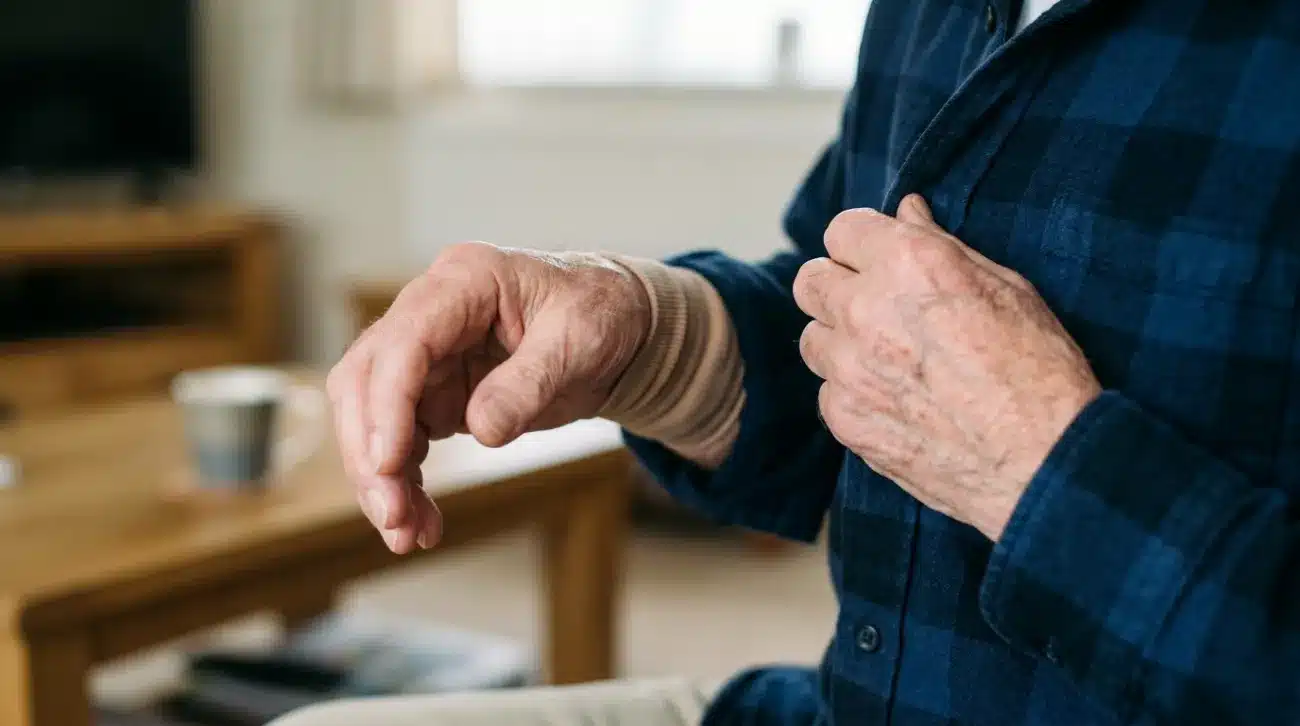
Hand function depends on complex neurological pathways extending from the brain through the spinal cord and peripheral nerves. Disruptions anywhere along these pathways produce symptoms ranging from subtle weakness to obvious tremors or numbness. Neurologists perform detailed hand examinations to localize problems and identify underlying causes.
Tremors represent one of the most commonly observed hand abnormalities with neurological significance. Essential tremor, a common condition that tends to run in families, typically produces shaking during intentional movement rather than at rest. Parkinson’s disease classically causes a resting tremor that diminishes with purposeful action, often described as a pill-rolling movement. Numerous other conditions, medications, and metabolic disturbances can also produce hand tremors of varying characteristics.
Carpal tunnel syndrome develops when the median nerve becomes compressed at the wrist, producing numbness and tingling in the thumb, index finger, middle finger, and part of the ring finger. Nighttime symptoms often predominate initially, with affected individuals waking with numb or painful hands. Weakness and muscle wasting at the thumb base develop in advanced cases. Diabetes, thyroid disorders, pregnancy, and repetitive hand motions all increase carpal tunnel syndrome risk.