
How Diabetes and Thyroid Conditions Affect the Hands
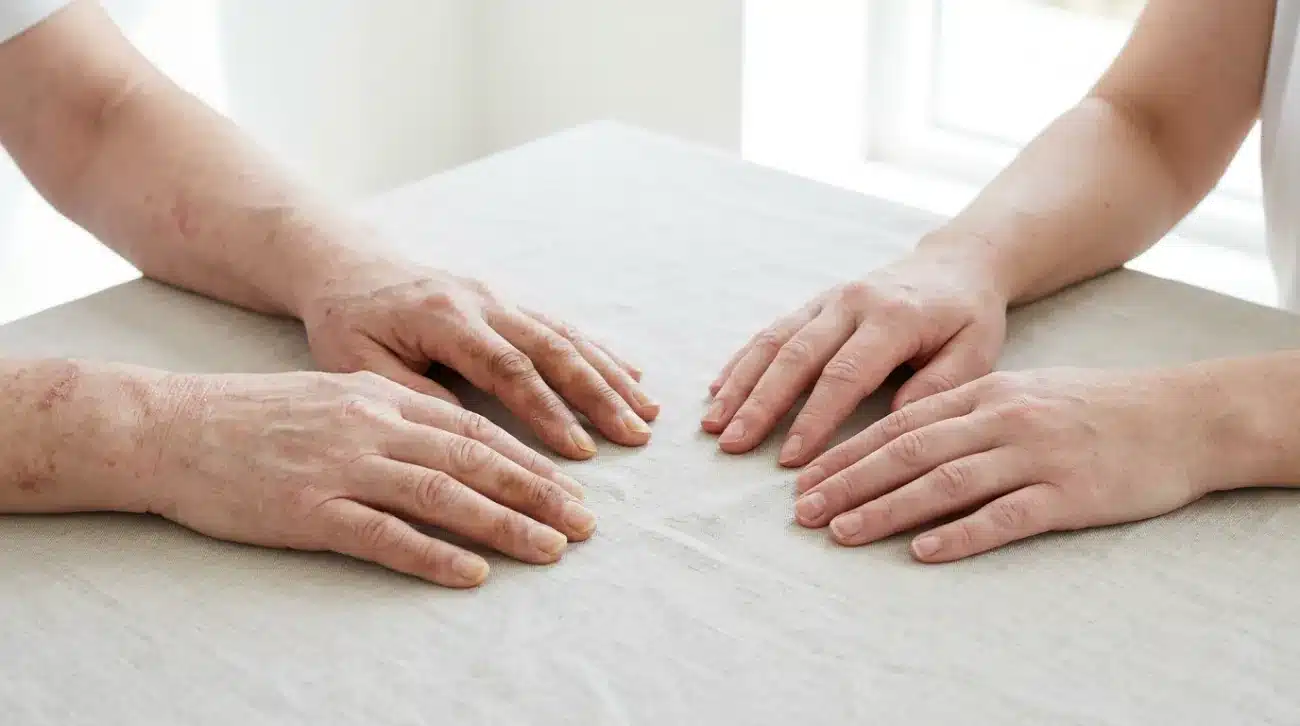
Metabolic disorders frequently produce hand manifestations that alert clinicians to underlying disease or indicate control quality in known conditions. Diabetes mellitus affects hand health through multiple mechanisms including nerve damage, altered blood flow, and connective tissue changes. Thyroid dysfunction, whether overactive or underactive, also produces recognizable hand findings.
Diabetic individuals may develop several distinct hand conditions over time. Limited joint mobility, sometimes called diabetic cheiroarthropathy, produces waxy, thickened skin and reduced finger flexibility. The prayer sign test, where inability to flatten the palms together indicates this condition, forms part of diabetic hand assessment. Dupuytren’s contracture, involving progressive finger curling due to cord-like tissue development in the palm, occurs more frequently in diabetic populations than in the general public.
Hyperthyroidism can produce warm, moist hands with fine tremor, reflecting the hypermetabolic state this condition creates. Hypothyroidism, conversely, often results in cold, dry hands with thickened skin and sometimes significant swelling. Carpal tunnel syndrome occurs with increased frequency in hypothyroid individuals, and symptoms may improve substantially with thyroid hormone replacement when the underlying disorder is treated.
Key Takeaways for Health Awareness
Regularly observing your hands for changes in nails, skin, joints, and function can help identify potential health concerns early. While many hand changes reflect normal aging or benign causes, new or progressive symptoms warrant discussion with a healthcare provider. Professional evaluation remains essential because similar appearances can result from vastly different conditions requiring different approaches.
Hand Changes That Warrant Professional Evaluation
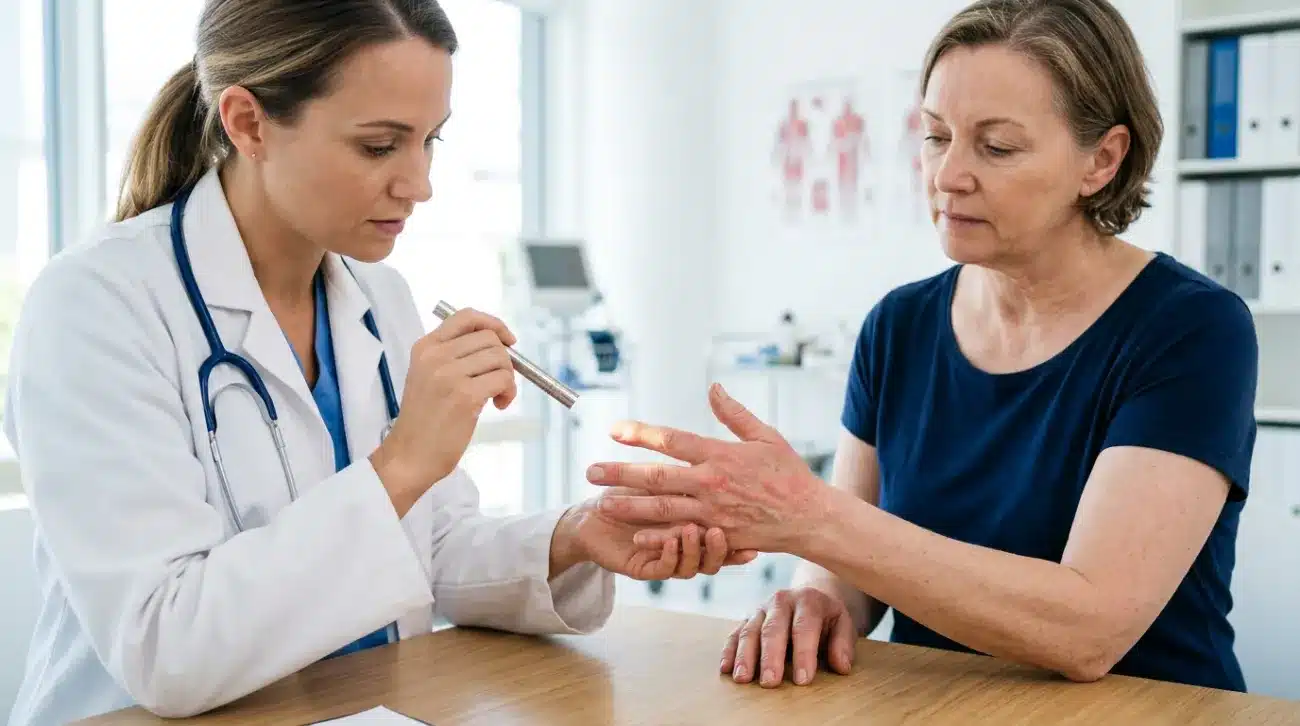
Not every hand change indicates serious illness, and many findings represent normal variation or aging. However, certain patterns should prompt medical consultation to ensure appropriate evaluation and management. Sudden changes deserve more urgent attention than gradual developments, though slowly progressive symptoms also require assessment if they persist or worsen.
New nail clubbing, particularly when developing over weeks to months, warrants thorough investigation given its associations with serious pulmonary and cardiac conditions. Color changes affecting both skin and eyes suggest jaundice requiring prompt evaluation. Persistent numbness, weakness, or loss of dexterity that interferes with daily activities merits neurological assessment. Joint swelling, especially when accompanied by warmth, redness, or morning stiffness lasting more than thirty minutes, suggests inflammatory arthritis requiring early treatment for optimal outcomes.
Vascular symptoms including severe color changes with cold exposure, non-healing wounds, or persistent coldness affecting only one hand should receive medical attention. Any rapidly growing lumps or changing skin lesions require professional evaluation to rule out concerning diagnoses. While self-examination provides valuable health awareness, it supplements rather than replaces professional medical assessment.
Listening to What Your Hands Are Telling You
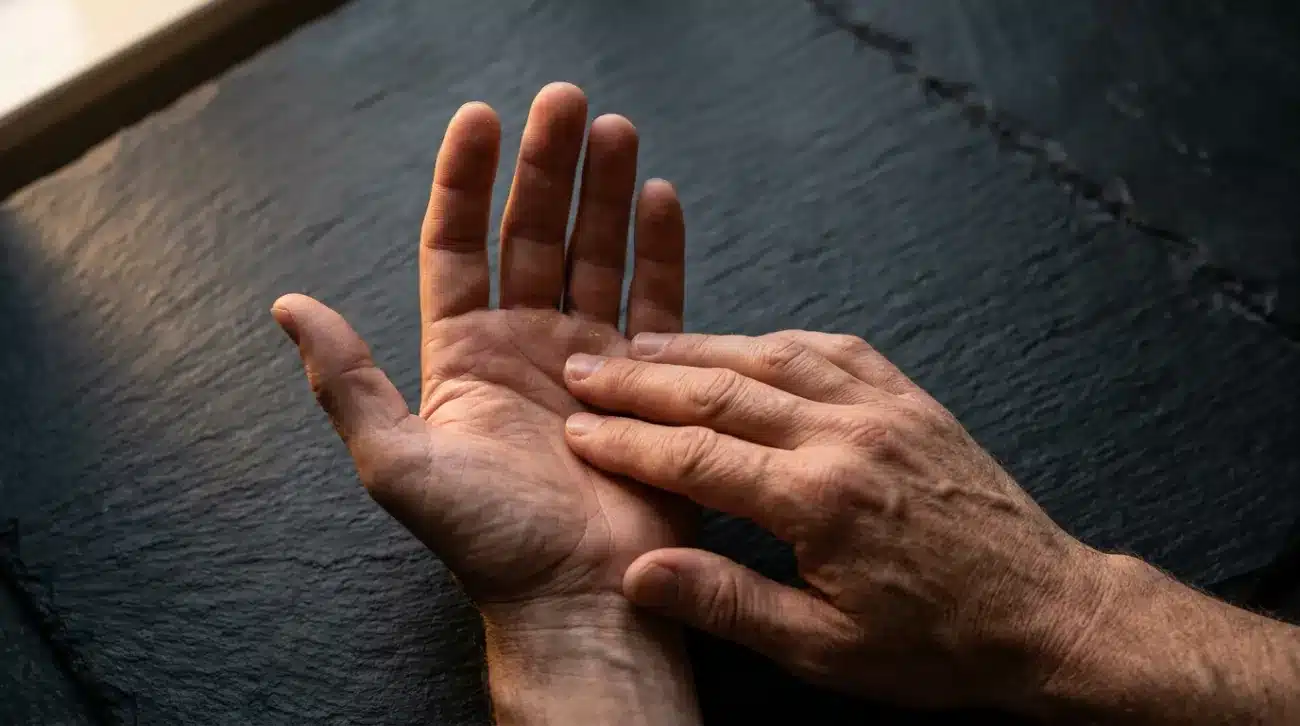
The hands serve as accessible windows into systemic health, displaying visible clues that have guided medical diagnosis for generations. From subtle nail changes suggesting nutritional deficiencies to dramatic joint deformities indicating inflammatory disease, the range of potential findings spans nearly every organ system. Developing awareness of normal hand appearance enables recognition when something changes, facilitating earlier medical consultation and potentially better outcomes. While modern diagnostic technology provides unprecedented insight into internal processes, the information hands provide through simple observation remains clinically valuable. Taking time to notice and report hand changes to healthcare providers represents an accessible form of health monitoring available to everyone, requiring no equipment and costing nothing beyond attentiveness to one’s own body.