
Signs You’re Aging Better Than You Think
Discover the subtle indicators that suggest your body and mind are thriving as the years pass
Your Balance and Coordination Remain Strong

One of the most reliable indicators of healthy aging is the ability to maintain balance and coordination during everyday activities. If you can stand on one leg while putting on socks or shoes, navigate uneven terrain without difficulty, or catch yourself easily when you stumble, your neuromuscular system is functioning well. Balance requires the integration of multiple body systems including vision, the vestibular system in the inner ear, and proprioception, which is the body’s sense of its position in space. When these systems work together smoothly, it suggests that the neural pathways and muscle responses essential for preventing falls remain intact and responsive.
The ability to react quickly to unexpected changes in footing becomes increasingly valuable with age, as falls represent a significant health concern for older adults. If you find yourself naturally adjusting your stance on a moving bus, stepping around obstacles without conscious thought, or maintaining stability during activities like gardening or hiking, these are positive signs that your body has preserved the complex coordination required for safe movement. This preservation of function often reflects consistent physical activity over time, even if that activity consists simply of regular walking and daily movement rather than formal exercise programs.
Balance and coordination are controlled by connections between the brain, nervous system, muscles, and sensory organs. When these systems remain well-integrated, it indicates that neural plasticity, or the brain’s ability to maintain and reorganize connections, is functioning effectively throughout the aging process.
Recovery Time After Illness or Exertion Is Reasonable

How quickly your body bounces back from challenges provides meaningful insight into your overall health trajectory. If you recover from a cold or minor illness within a typical timeframe, regain energy after a demanding day, or return to normal function after physical exertion, your immune system and metabolic processes are working as they should. While everyone experiences some increase in recovery time with age, dramatic or prolonged recovery periods may warrant attention, whereas reasonable recovery suggests robust underlying health.
Consider how you feel the day after unusually strenuous activity. Some muscle soreness is normal and even indicates that your body is adapting to physical demands. However, if you can return to your regular activities within a day or two rather than being sidelined for extended periods, this suggests that your cardiovascular system is delivering oxygen efficiently, your muscles are repairing themselves effectively, and your body’s inflammatory responses are appropriately regulated. These recovery mechanisms depend on cellular health and the body’s ability to clear damaged tissue and regenerate, processes that remain more robust in people aging well.
Mental Sharpness and Memory Serve You Well
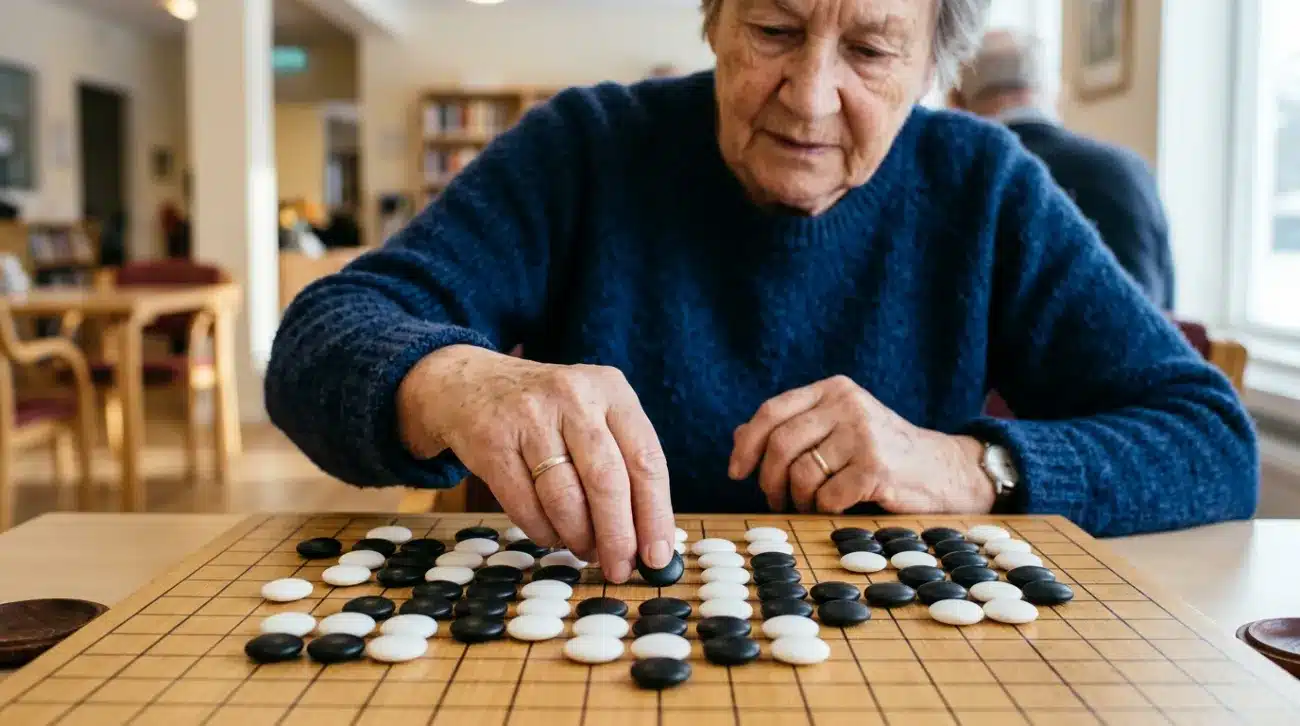
Cognitive health represents one of the most significant concerns people have about aging, yet many individuals maintain excellent mental function throughout their lives. If you can follow complex conversations, remember appointments and commitments, learn new skills or technologies, and engage in problem-solving activities, your brain is demonstrating resilience. The occasional forgotten word or misplaced item is entirely normal at any age and should not be mistaken for meaningful cognitive decline.
The capacity to remain mentally engaged with activities that challenge your thinking, whether through reading, puzzles, games, creative pursuits, or learning new subjects, indicates that your brain continues to form and strengthen neural connections. This neuroplasticity, the brain’s ability to reorganize itself and create new pathways, persists throughout life in healthy individuals. If you find yourself curious about the world, capable of following current events or holding substantive discussions, and able to adapt to new situations, these are markers of cognitive vitality that suggest your brain is aging well.
Keeping track of schedules and appointments shows intact executive function
Adapting to new technology or skills demonstrates ongoing neuroplasticity
Sound judgment in daily choices reflects healthy frontal lobe function
Sleep Quality Remains Consistent

The ability to fall asleep within a reasonable timeframe, stay asleep through most of the night, and wake feeling rested represents a significant marker of healthy aging. Sleep architecture changes naturally with age, and some alterations in sleep patterns are expected. However, if you generally achieve restorative sleep and feel capable of engaging fully with your day, your body’s circadian rhythms and sleep-regulating mechanisms are functioning well. Poor sleep affects virtually every aspect of health, so maintaining good sleep quality suggests multiple body systems are working in harmony.
Restorative sleep allows the brain to consolidate memories, clear metabolic waste products, and regulate hormones essential for everything from appetite to immune function. If you wake naturally without an alarm at roughly the same time each day, experience relatively few nighttime awakenings, and do not require excessive caffeine or stimulants to function, these patterns indicate that your sleep health is supporting overall wellbeing. While occasional poor nights are normal for everyone, a general pattern of adequate sleep is a quietly powerful indicator of aging well.
Emotional Resilience and Social Connection Flourish

Psychological wellbeing often improves with age, and many people find they experience greater emotional stability, clearer sense of priorities, and deeper satisfaction with relationships as they grow older. If you maintain meaningful connections with friends, family, or community members, and find yourself able to navigate life’s challenges without becoming overwhelmed, these are significant indicators of healthy aging. Emotional regulation typically improves in later life, allowing many older adults to experience fewer extreme emotional reactions and greater equanimity.
The capacity to find joy in daily activities, maintain interests and hobbies, and look forward to future experiences suggests psychological resilience that supports overall health. Social connection in particular plays a protective role in aging, with research consistently linking strong social ties to better health outcomes. If you have people you can call on for support, engage in regular social activities, and feel a sense of purpose or meaning in your daily life, you are experiencing aspects of aging that many people overlook when focusing solely on physical markers.
Research in gerontology consistently shows that subjective wellbeing, including life satisfaction and positive emotions, tends to increase with age for many individuals, a phenomenon sometimes called the “paradox of aging” because it contradicts expectations of decline.