
Health & Aging Explainer
7 Reasons You Feel Colder Than You Used to as You Get Older
From muscle mass and skin to circulation, thyroid health and medications, here is why many older adults feel the chill more.
If you have started reaching for a sweater in rooms that once felt comfortable, you are far from alone. Many people notice that they feel colder than they used to as they get older, and the change can be puzzling when the thermostat has not moved. Feeling chilly more often is not simply a matter of attitude or tolerance. Medical sources, including national health agencies and geriatric medicine references, describe a range of age-related changes that can affect how the body makes, holds and senses heat. Some of these changes are a normal part of aging, while others may point to a health condition or a medication effect worth discussing with a clinician. This article walks through seven commonly cited reasons, explains how each one works in general terms, and notes when persistent coldness deserves a closer look.
1. Slower Metabolism and Muscle Loss: Why Your Body Makes Less Heat
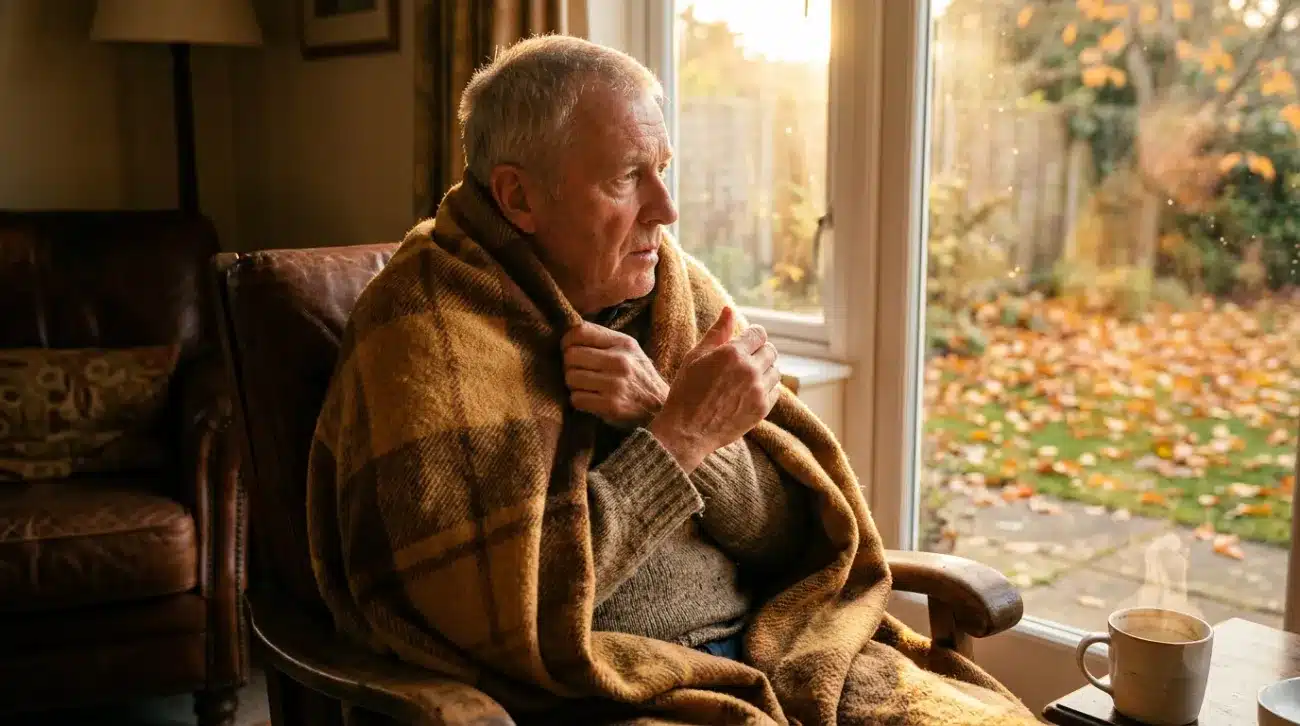
The body generates much of its warmth through metabolism, the chemical activity that keeps cells working. Muscle tissue is metabolically active, and it produces heat both during movement and while at rest. It is widely documented that people tend to lose muscle mass gradually with age, a process often called sarcopenia, particularly when physical activity declines. With less muscle, the body may have less capacity to generate heat on its own.
Resting energy use also tends to drift downward over the decades, partly because of changes in body composition. This does not mean every older adult will feel cold, since people vary considerably. However, it helps explain why staying physically active and maintaining muscle through resistance exercise are commonly recommended by health organizations for healthy aging. Regular movement supports strength and balance, and it may also support the body’s ability to keep itself warm.
2. Thinner Skin and Less Insulating Fat: Why Cold Air Reaches You Faster
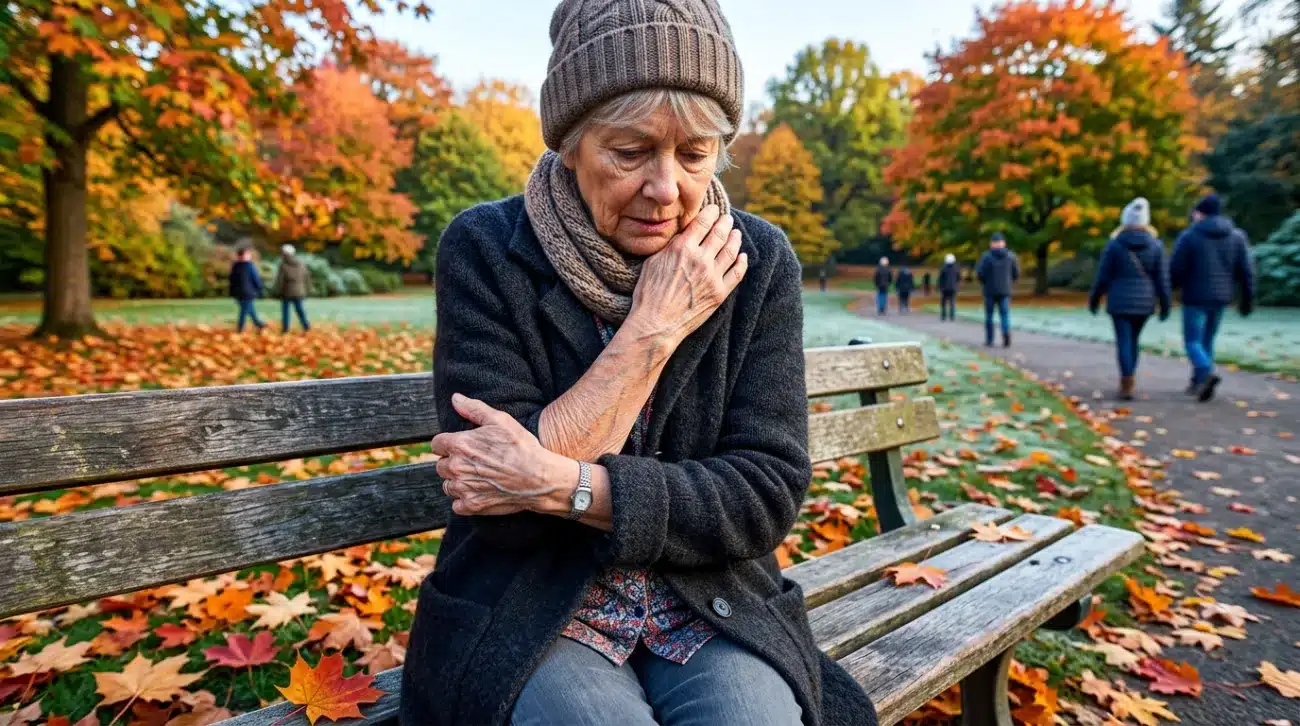
Skin is the body’s outermost barrier against the environment, and it changes with age. Dermatology and aging resources describe how skin tends to become thinner and more fragile over time, and the layer of fat beneath the skin can diminish in some areas. That fatty layer acts as insulation, helping to hold heat close to the core of the body.
When the insulating layer is reduced, heat can escape more readily and cool air may be felt more sharply. The skin also contains the sensors and blood vessels that help the body respond to temperature, so changes in its structure can influence both how much warmth is lost and how cold is perceived. Layered clothing, which traps pockets of warm air, is a practical way to make up for some of that lost insulation.
3. Changes in Circulation and Blood Vessels: Why Hands and Feet Stay Cold
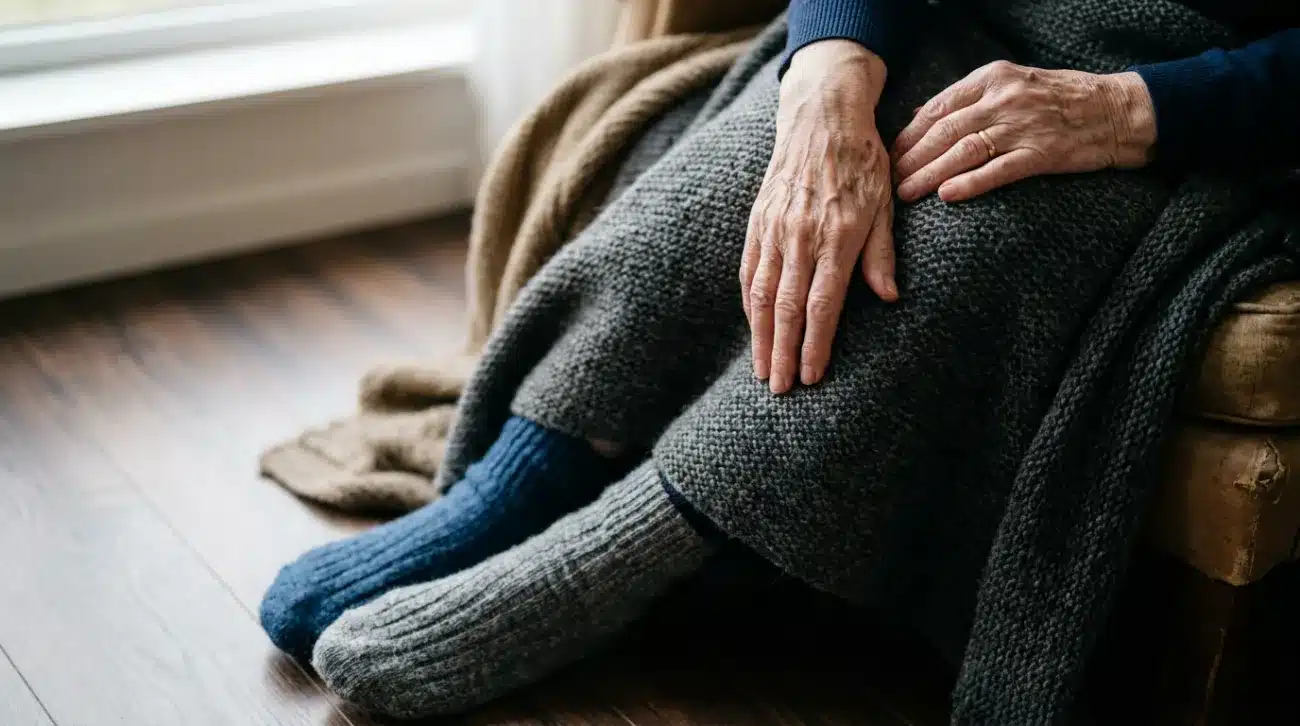
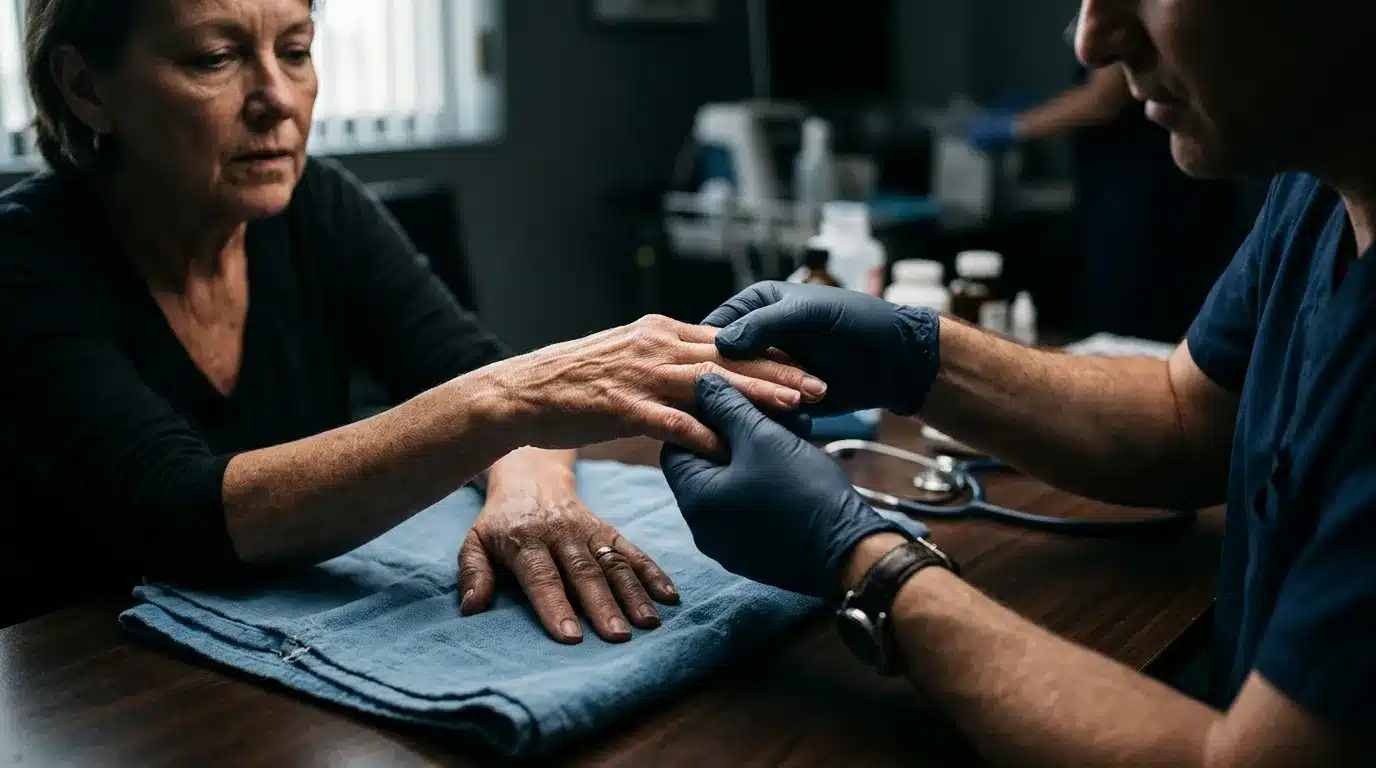
Blood carries heat around the body, and circulation shapes how warm the extremities feel. With age, blood vessels can stiffen and narrow, and conditions that affect the heart and arteries become more common. Reduced blood flow to the hands and feet can leave them feeling cold even when the rest of the body is comfortable.
Medical sources describe peripheral artery disease as one condition in which narrowed arteries limit blood flow to the limbs, and cold feet can be among the symptoms alongside others such as leg pain while walking. Raynaud’s phenomenon, in which small blood vessels in the fingers and toes react strongly to cold or stress, is another circulation-related cause of cold, color-changing digits. Because these conditions can be significant, new or one-sided coldness, color changes or pain in a limb should be evaluated by a healthcare professional rather than assumed to be ordinary aging.
4. A Less Responsive Internal Thermostat: How Aging Affects Temperature Regulation
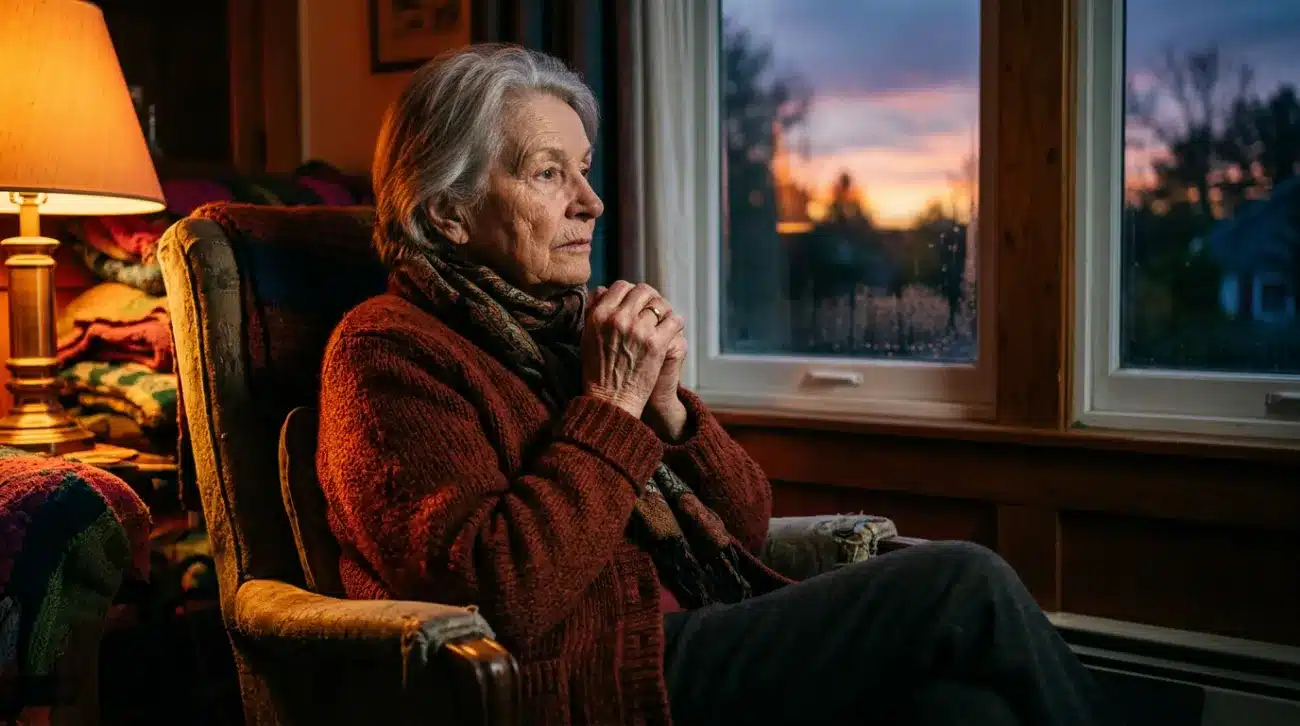
The brain, nerves and blood vessels work together to keep core body temperature in a safe range. When you are cold, blood vessels near the skin narrow to conserve heat, and the body may shiver to generate more. Geriatric references describe how these responses can become less efficient with age, so older adults may be slower to conserve heat or to sense that they are cooling down.
This has an important safety side. National health agencies have warned that older adults are at higher risk of hypothermia, a dangerous drop in body temperature, and that it can occur not only outdoors but also in poorly heated indoor spaces. Because the warning signs may be subtle, they recommend keeping homes adequately warm, dressing in layers and paying attention to symptoms such as confusion, drowsiness or unusual shivering.
Contextual breakdown (editorial categorization, not measured data)
Body composition: reduced muscle and thinner insulating tissue can mean less heat produced and more heat lost.
Circulation and regulation: stiffer vessels and a slower temperature response can leave hands, feet and the whole body feeling chilly.
Hormones and nutrition: thyroid problems, anemia and low food intake can lower warmth independently of age.
Medications and nerves: some drugs and nerve conditions can change how the body maintains or senses heat.
5. Thyroid Problems and Hormonal Shifts That Can Make You Feel Cold
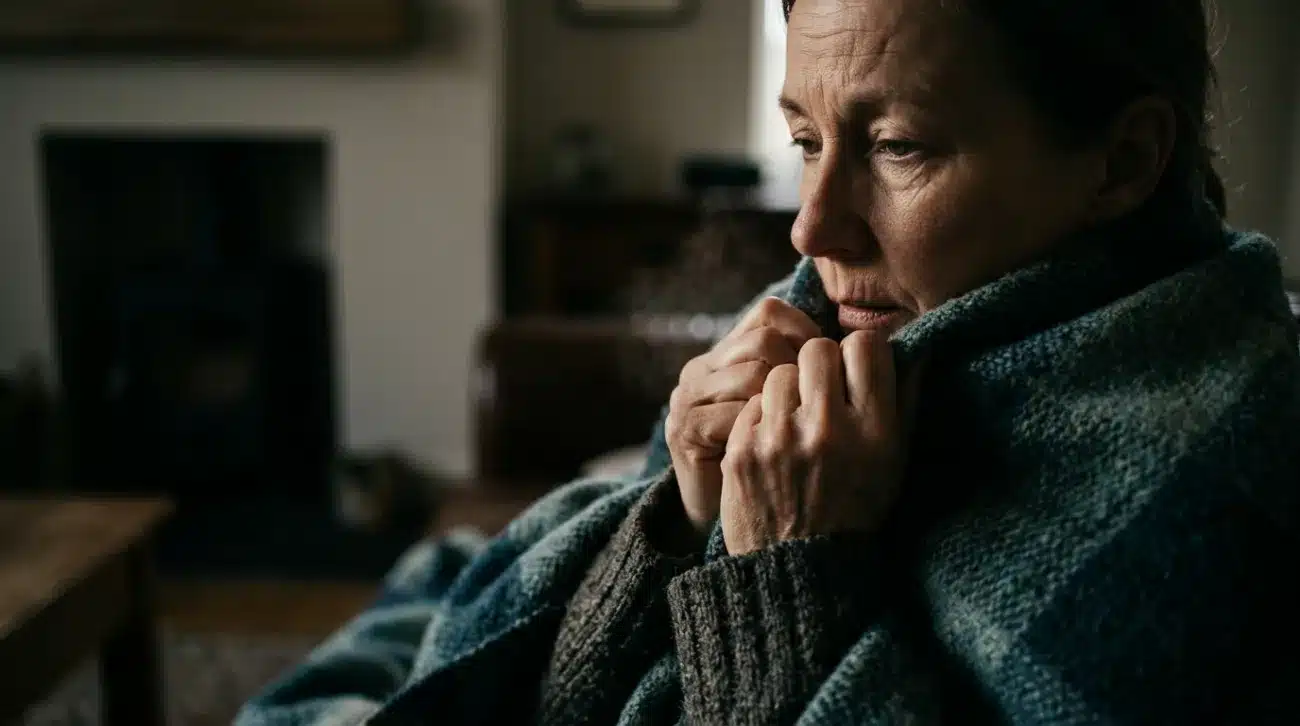
The thyroid gland produces hormones that help set the body’s metabolic rate. When the gland is underactive, a condition called hypothyroidism, the body’s processes can slow down. Endocrinology sources list sensitivity to cold among the common symptoms, often alongside fatigue, constipation, dry skin and weight gain. Hypothyroidism can occur at any age, and it is generally described as more common in older adults, especially women.
Because its symptoms can be gradual and easily mistaken for normal aging, thyroid problems may go unnoticed for some time. A simple blood test can check thyroid function, and treatment is available when needed. If feeling cold comes with other changes such as unexplained tiredness or dry skin, raising the possibility of a thyroid check with a doctor is reasonable.