
6. Medications That Can Affect Body Temperature and Cold Sensitivity
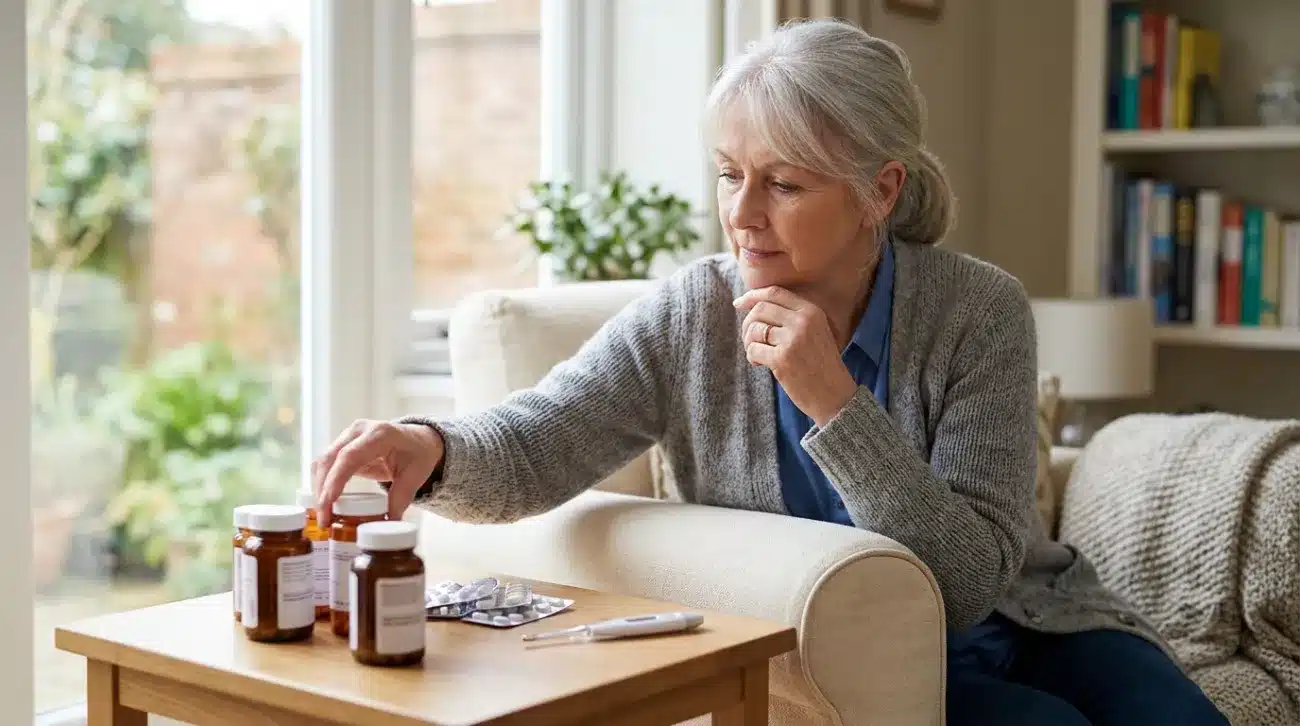
Older adults are more likely to take several medications, and some can influence circulation or temperature sensitivity. Beta blockers, which are commonly prescribed for heart conditions and high blood pressure, are often mentioned in medical references as a possible cause of cold hands and feet because they can affect blood flow to the extremities. Other drugs may have effects on blood pressure, alertness or the body’s response to temperature changes.
It is important not to stop or change a prescription on your own because you feel cold. Instead, a pharmacist or prescribing clinician can review your medication list, explain whether a drug could be contributing and discuss alternatives if appropriate. Bringing a complete list, including over-the-counter products and supplements, makes that conversation more useful.
7. Anemia, Nerve Damage and Poor Nutrition: Other Health Conditions Behind Feeling Cold
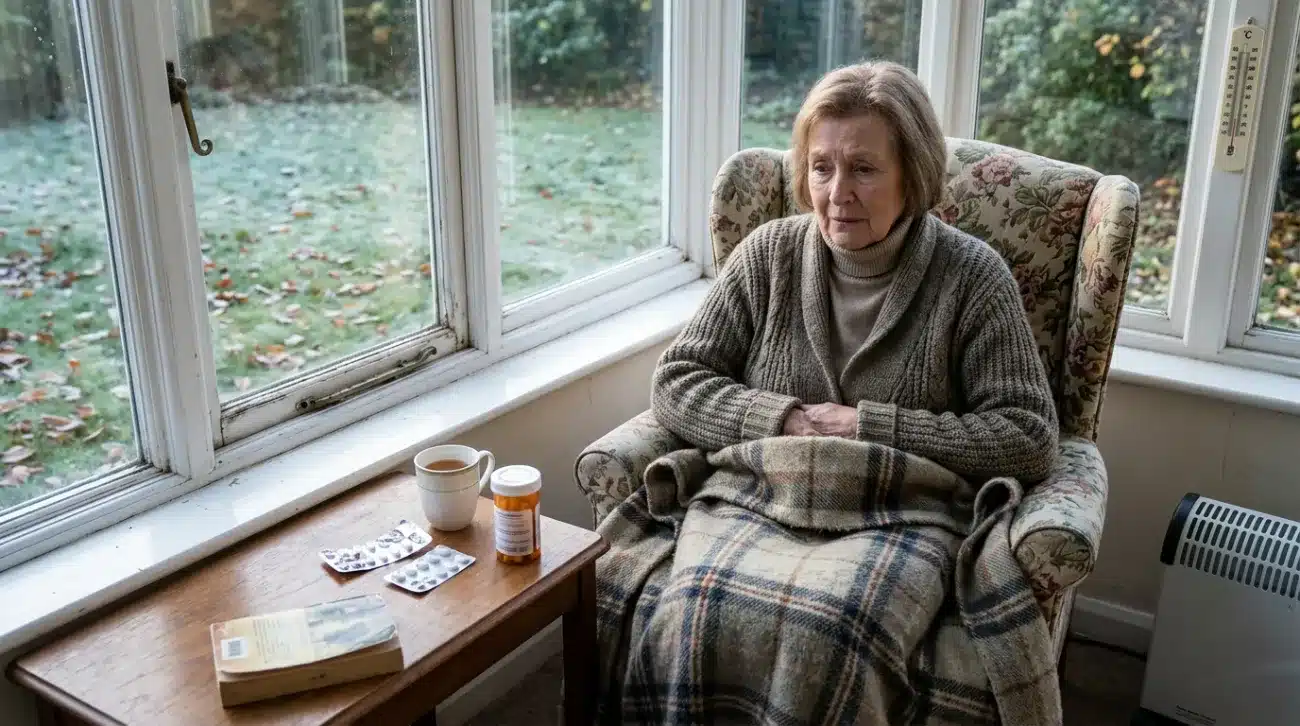
Several other conditions can make a person feel colder than normal. Anemia, in which the blood carries too little hemoglobin or too few red blood cells, is widely listed as a cause of feeling cold along with fatigue and pale skin. In older adults, anemia can have many causes, including nutritional deficiencies and chronic illness, so identifying the underlying reason matters.
Nerve damage, known as neuropathy, can alter how temperature is sensed, and diabetes is a well-known cause. Someone with neuropathy may feel numbness, tingling or coldness in the feet that does not match the actual temperature of the skin. Low body weight and inadequate calorie or nutrient intake can also reduce the body’s heat production and insulation, and appetite often declines in later life for a variety of reasons. Because these causes are treatable, they are a strong reason to mention persistent coldness at a routine checkup.
Practical Ways to Stay Warm and Know When Coldness Needs Attention
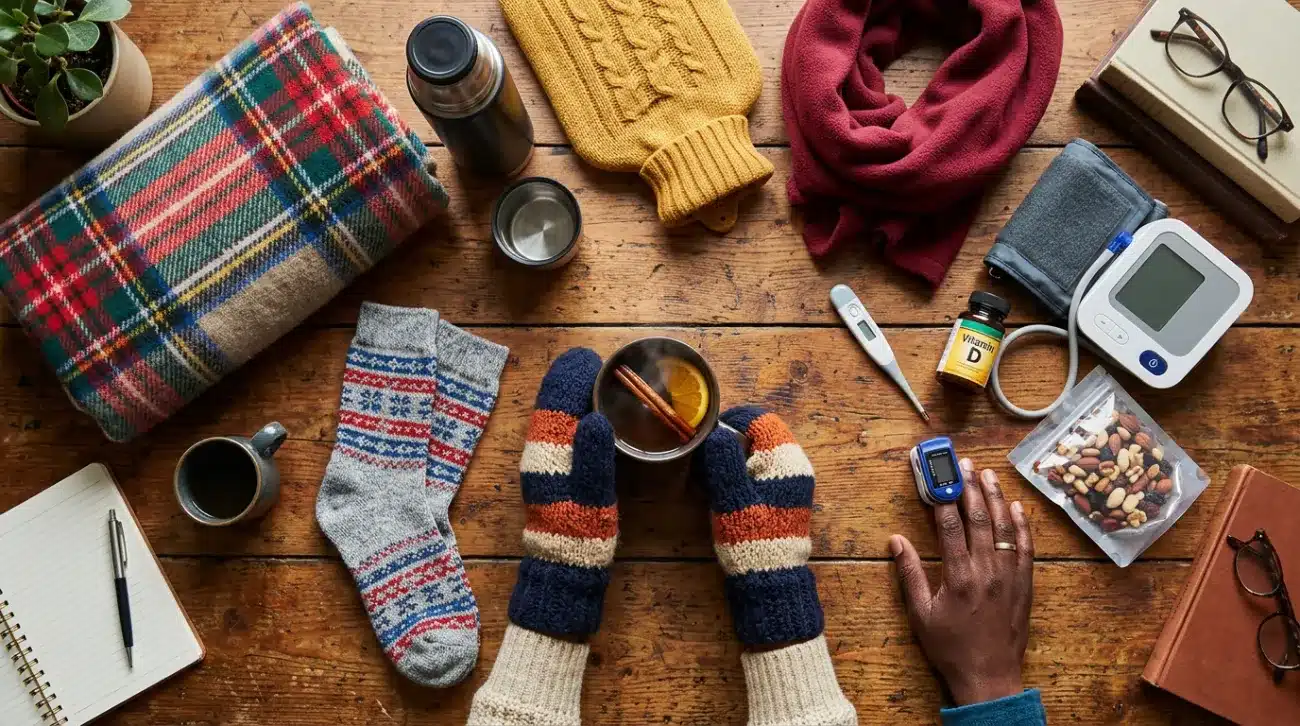
Simple habits can make a real difference in comfort. Dressing in several thin layers, wearing socks and a hat indoors if needed, and choosing warm bedding can help hold heat close to the body. Warm drinks and regular, balanced meals support the body’s energy supply, and gentle movement throughout the day encourages circulation. Health agencies also advise keeping the home at a safe, comfortable temperature and being cautious with space heaters and electric blankets to reduce the risk of fires and burns, particularly for people with reduced sensation in their skin.
Feeling somewhat colder with age can be ordinary, but certain patterns merit medical attention. These include coldness that appears suddenly or worsens, coldness limited to one limb, skin color changes, numbness, unexplained weight changes, ongoing fatigue, or signs such as confusion and slurred speech in a cold environment. A clinician can use a physical exam and basic tests to look for thyroid disease, anemia, circulation problems or medication effects, and can tailor advice to your situation.
Staying Comfortable and Informed When the Chill Feels Different
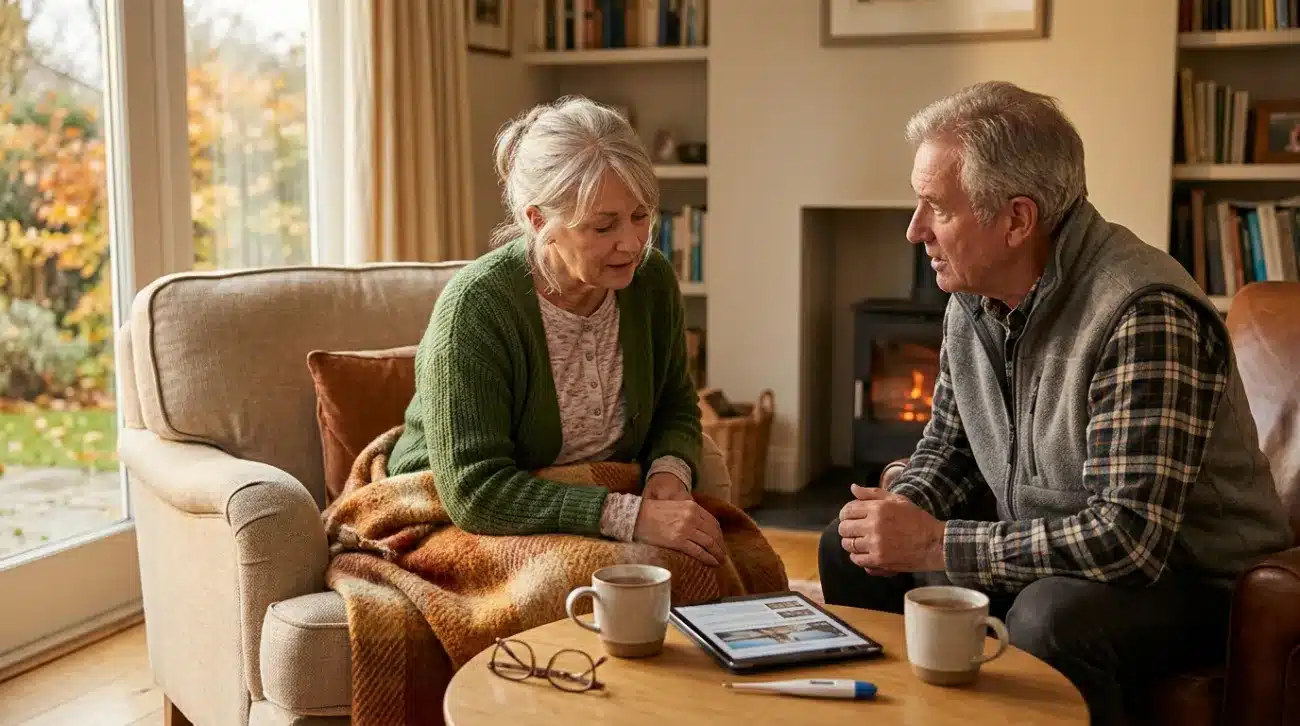
Feeling colder than you used to is rarely caused by one single thing. Less muscle, thinner skin and insulation, changing circulation and a slower internal thermostat all play a part in normal aging, while thyroid problems, medications, anemia, nerve damage and poor nutrition can add to the effect and are worth checking when the chill seems unusual. Understanding these reasons can take away some of the mystery and help you respond with practical steps such as layering, staying active, eating regularly and keeping your home adequately warm. Just as important, it can help you recognize when the sensation is more than a passing nuisance and a conversation with a healthcare professional is the right next move.