

Utilize Community Resources

Community resources can be a valuable asset in your quest to eliminate fall risks. Many local organizations offer programs specifically designed for fall prevention, such as balance classes, home safety assessments, and community walking groups. These programs not only provide practical skills but also offer a sense of community, which can be especially beneficial for older adults who may be at higher risk for falls.
Don’t underestimate the power of the community when it comes to staying safe. To find these resources, you can reach out to local healthcare providers, community centers, or even search online for programs in your area. Utilizing these resources can provide an extra layer of security and education that you might not achieve on your own.
Personal Alert Systems
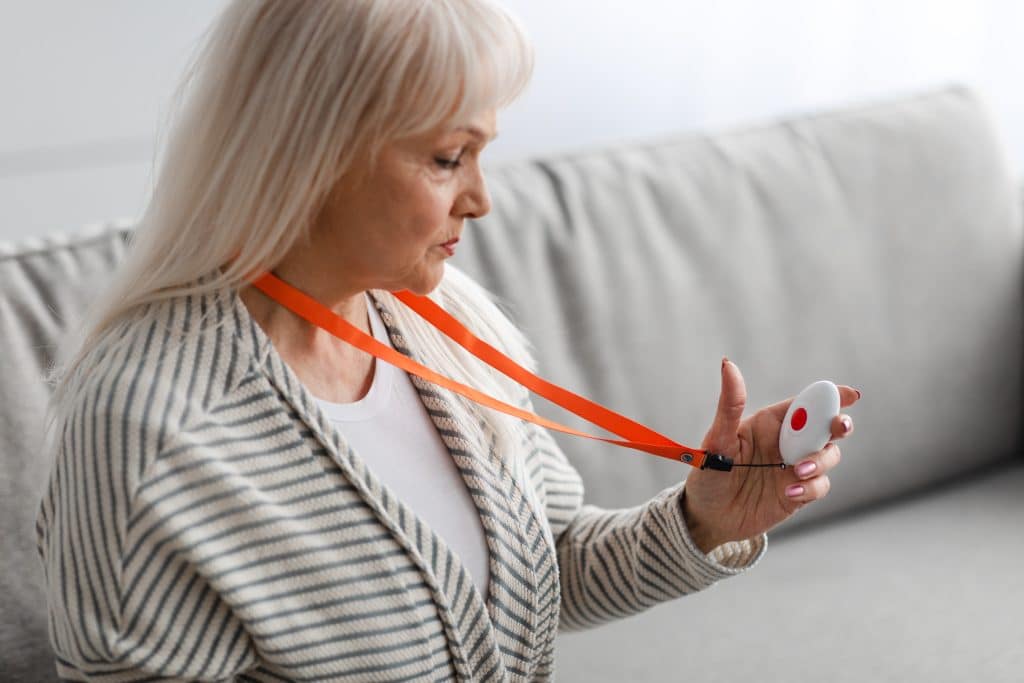
In today’s tech-savvy world, personal alert systems have become increasingly sophisticated and can be a lifesaver in preventing the consequences of a fall. These systems range from wearable devices to home-installed sensors that can detect a fall and automatically alert emergency services or designated contacts. The peace of mind these devices offer is invaluable, especially if you live alone or have a condition that increases your fall risk.
Understanding how these systems work can help you choose the best one for your needs. Some devices feature a manual alert button, while others use motion sensors and artificial intelligence to detect falls. Regardless of the type, it’s crucial to test the system regularly to ensure it’s working as it should. A reliable personal alert system can be a significant investment in your safety.
Adopt Safe Habits

Your daily habits can either increase or decrease your risk of falling. Simple actions like staying hydrated can make a significant difference. Dehydration can lead to dizziness and fatigue, both of which can increase your fall risk. Make it a habit to drink water regularly throughout the day, especially in hot weather or when you’re physically active.
Mindfulness is another habit that can help prevent falls. Being aware of your surroundings and taking your time when you move can reduce the likelihood of tripping or slipping. For instance, avoid rushing and multitasking, which can distract you and make you more prone to falls. Instead, focus on one activity at a time and be aware of how your body feels as you move.
Stay Informed And Educated

Knowledge is power, especially when it comes to fall prevention. Staying updated on the latest research, tips, and technologies can give you an edge in maintaining a safe environment. Subscribe to newsletters, read articles, and even attend webinars or workshops focused on fall prevention. The more you know, the better equipped you’ll be to identify and mitigate risks in your daily life.
In addition to self-education, consider sharing this valuable information with your family and community. After all, fall prevention is a collective effort. You could host informational sessions, distribute flyers, or simply talk to your loved ones about the importance of taking proactive steps to prevent falls. By spreading awareness, you’re not only reducing your own risk but also contributing to a safer community.
Take Action Now For A Safer Tomorrow!
The journey to a fall-free life is a continuous one, involving multiple strategies, from home adjustments to personal habits. By incorporating these nine essential elements into your daily routine, you’re setting the stage for a safer, more secure environment for yourself and those around you. Don’t wait for an accident to happen. Take action today by assessing your living space, scheduling a health check-up, or even signing up for a community program. Your future self will thank you!