

Falls are not just a concern for the elderly; they can happen to anyone at any age, and the consequences can be severe. According to the Centers for Disease Control and Prevention, one out of every five falls causes a serious injury, such as a broken bone or a head injury. These statistics underscore the importance of taking proactive steps to minimize fall risks. Whether you’re concerned about an aging parent or simply want to make your environment safer, this post is for you. Today, you’ll discover eight key things that can help eliminate fall risk and ensure a safer, more secure living space!
Assess Your Living Space

Your home should be a sanctuary, a place where you feel safe and secure. However, common household items can turn into potential hazards if not properly managed. A clutter-free environment is essential for reducing the risk of tripping and falling. Remove any obstacles from walkways, secure loose rugs, and make sure cords are tucked away safely. Good lighting is another crucial element; poorly lit areas can obscure hazards, making it easier to trip over unseen objects.
In addition to decluttering and improving lighting, consider installing safety features like handrails and non-slip mats in areas prone to falls, such as bathrooms and staircases. These simple modifications can make a world of difference in reducing the risk of falls. By taking these steps, you’re not just making your home safer for yourself but also for anyone who visits.
Regular Health Check-Ups

When was the last time you had a comprehensive health check-up? Regular medical assessments can identify potential risk factors that contribute to falls. Vision and hearing tests are particularly important; compromised sight or hearing can significantly affect your balance and spatial awareness. It’s advisable to have these tests done annually or as recommended by your healthcare provider.
Another essential aspect of your health check-up should be a medication review. Some medications can have side effects like dizziness or drowsiness, increasing the risk of falls. Always discuss your medication regimen with your healthcare provider to ensure that it’s not contributing to your fall risk. If necessary, adjustments can be made to your prescriptions to minimize these risks.
Physical Exercise And Strength Training

Physical fitness plays a pivotal role in reducing the risk of falls. A well-rounded exercise regimen that focuses on building strength and improving balance can make you less susceptible to falls. Activities like Tai Chi, yoga, and even simple stretching exercises can help improve your balance and coordination. Consult your healthcare provider before starting any new exercise program, especially if you have existing health conditions that could affect your ability to exercise safely.
Strength training is another crucial component of fall prevention. Building muscle mass can provide better support to your joints, making it easier to recover your balance if you do start to fall. Simple weight-bearing exercises, even just lifting small hand weights, can be highly effective. Again, consultation with healthcare providers can provide a tailored exercise plan that meets your needs.
Choose The Right Footwear
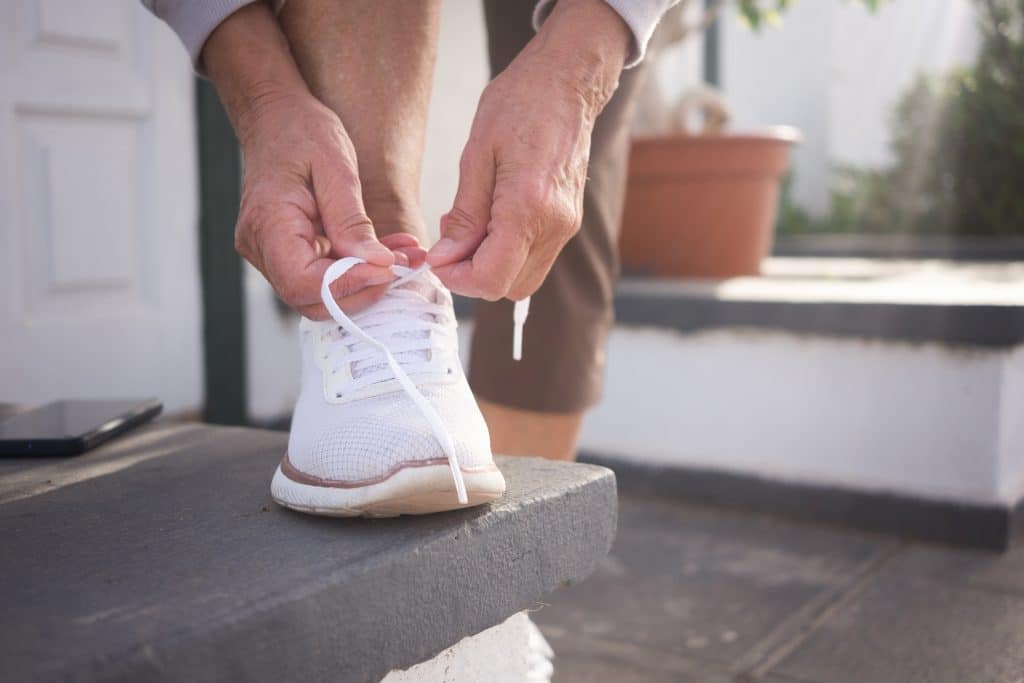
Believe it or not, the shoes you wear can have a significant impact on your fall risk. Footwear with good arch support and non-slip soles can provide better stability and reduce the likelihood of slips and falls. High heels, flip-flops, and even worn-out sneakers can make you more prone to losing your balance. Therefore, choosing the right footwear is not just a matter of fashion but also of safety.
Knowing when to replace your old shoes is equally important. Over time, even the best pair of shoes will lose their effectiveness as the soles wear down and the support weakens. Make it a habit to inspect your shoes regularly for signs of wear and tear. If you notice that your shoes are no longer providing the support and stability you need, it’s time for a new pair.