
Diet trends have permeated social media, magazines, and everyday conversations. Each promising swift and effortless weight loss, they often emphasize restrictive eating patterns, avoiding entire food groups, or even consuming peculiar items. While some individuals report short-term success, many of these diets lack scientific backing and can lead to nutritional deficiencies or health risks. It is crucial to navigate through the cacophony of these trends with a critical mind, prioritizing well-researched and holistic approaches to weight management that endorse a balanced intake of all essential nutrients.
The Tapeworm Diet

This notorious diet involves individuals intentionally ingesting a tapeworm to reside in their intestines, with the idea that this parasite will consume some of the food, leading to weight loss. Originating in the early 20th century, this diet promised an easy route to a slimmer figure without the need for exercise or dietary restrictions. However, hosting a tapeworm is not only illegal but laden with severe health risks, making this one of the most dangerous diet trends to have ever existed.
Despite the initial weight loss that may occur, individuals are subject to a host of health issues including abdominal pain, nausea, and diarrhea. In severe cases, the tapeworm can lead to serious complications, including neurological issues and organ damage. The health and legal risks far outweigh the potential short-term weight loss benefits, underscoring the importance of avoiding such hazardous and unscientific methods.
The Baby Food Diet

The Baby Food Diet entails adults substituting regular, balanced meals with jars of baby food. This trend promises weight loss due to the significantly reduced calorie intake. Each jar contains a small amount of pureed food, resulting in dieters consuming far fewer calories than their bodies require for optimal function. While this may lead to temporary weight loss, it’s an unsustainable and nutritionally inadequate approach for adults.
The diet’s reliance on baby food, which is designed for the nutritional needs of infants, leads to an inadequate intake of fiber, protein, and other essential nutrients for adults. This can lead to energy loss, nutritional deficiencies, and other health problems over the long term. Adopting a balanced diet tailored to adults’ nutritional requirements is essential for sustainable weight management and overall health.
The Cotton Ball Diet
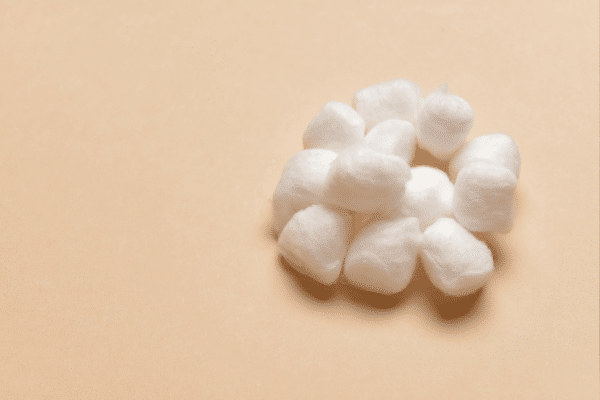
This unusual diet involves consuming cotton balls soaked in juices or smoothies, with the belief that they help to create a feeling of fullness without adding extra calories. Enthusiasts claim that this approach aids in weight loss, as the cotton balls allegedly occupy space in the stomach, reducing food intake. However, this method is dangerous and can lead to a series of health complications, including malnutrition and digestive issues.
Ingesting non-nutritive items like cotton balls can lead to obstructions in the digestive tract. These obstructions can result in painful blockages, requiring medical intervention. Beyond immediate health risks, adherents also face potential long-term health impacts due to the deficiency of essential nutrients, as the diet lacks adequate vitamins, minerals, proteins, and fats necessary for bodily function.