

Get Regular Exercise

Engaging in regular physical activity is a vital part of maintaining health and wellness as one ages. Exercise can help maintain muscle strength, enhance mobility, and improve overall health, making daily tasks easier and more manageable. Simple exercises like walking, yoga, swimming, or strength training can significantly improve health and wellness.
Not only does physical activity have physical benefits, but it can also have profound impacts on mental health. Regular exercise can boost mood, decrease stress and anxiety, improve sleep, and enhance overall quality of life. Before starting a new exercise regimen, it’s important to consult a healthcare provider or a fitness professional who can provide guidance on safe and appropriate exercises for individual fitness levels and health conditions.
Regular Health Checkup

The importance of regular health checkups cannot be understated. Regular checkups and screenings can help detect health problems before they become serious, allowing for early intervention and more effective treatment. It is important to follow the recommended guidelines for health screenings and to promptly seek medical attention for any concerning symptoms.
Preparation for doctor visits is also key. Keeping a record of any changes in health, including any new symptoms or concerns, can help healthcare providers make more accurate diagnoses and develop effective treatment plans. Regularly updating the list of current medications, including over-the-counter drugs and supplements, can help avoid drug interactions and ensure that healthcare providers have accurate information to guide treatment decisions.
Maintain Good Sleep Hygiene
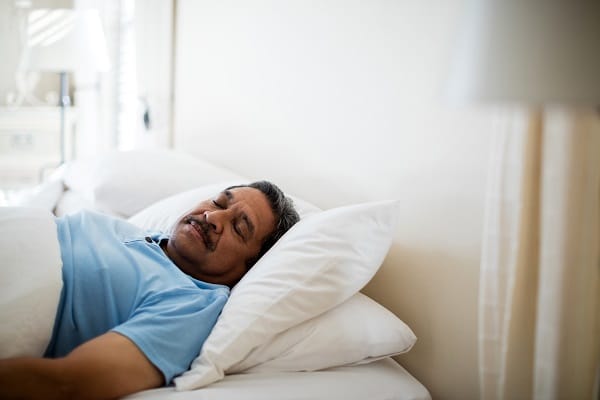
Quality sleep is an essential part of overall health and well-being. It plays a crucial role in physical health, cognitive function, and mood regulation. Good sleep habits, such as maintaining a regular sleep schedule, limiting daytime naps, and creating a quiet, comfortable sleep environment, can greatly enhance sleep quality and duration.
Apart from these, reducing intake of caffeinated and alcoholic beverages, especially close to bedtime, can help promote better sleep. Ensuring adequate exposure to natural light during the day and limiting exposure to screens before bedtime can also help regulate sleep patterns. Consultation with a healthcare provider may be necessary if sleep problems persist or significantly impact daily life.
Mental Health And Mindfulness

Mental health is just as important as physical health in later life. Practices like meditation, deep breathing exercises, and spending time in nature can foster mindfulness, manage stress, and enhance overall mental well-being. Engaging in these practices regularly can lead to improvements in mood, better stress management, and improved cognitive function.
In addition, seeking professional mental health support when needed is vital. Regular appointments with a therapist or counselor can provide coping strategies for managing stress, anxiety, and depression. It’s also important to foster a support network of family, friends, or support groups to help navigate the challenges that may come with aging.
Conclusion
In sum, wellness in the elderly encompasses various aspects including starting a new hobby, eating a balanced diet, staying socially connected, getting regular exercise, undergoing routine health checkups, maintaining good sleep hygiene, and ensuring mental health. By adopting these strategies, it’s possible to improve wellness, increase life satisfaction, and boost longevity. Remember, it’s never too late to make positive changes for better health and well-being. Regardless of age, everyone deserves a life filled with vitality, joy, and well-being.