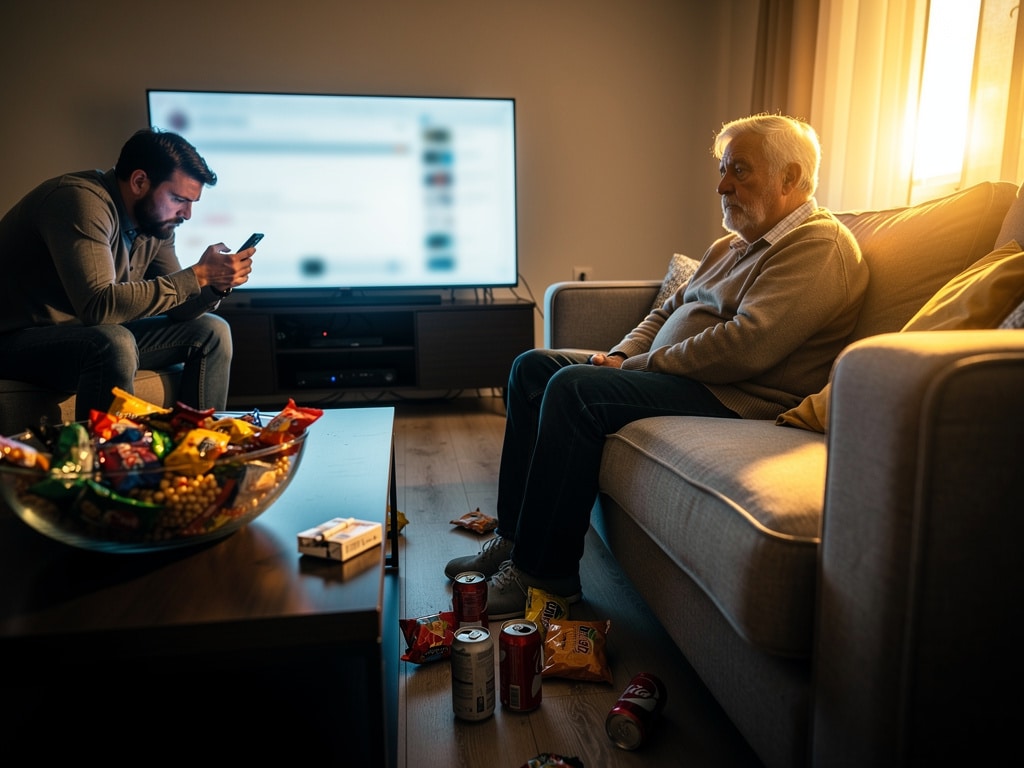
Promoting health and wellness among the elderly is of utmost importance in ensuring a high quality of life in later years. It is crucial to adopt strategies that can prevent chronic diseases, keep the mind sharp, and foster a sense of purpose and joy. This blog post will provide practical advice and effective strategies for maintaining and improving wellness in the elderly, from starting a new hobby and eating a healthy diet, to getting regular exercise and staying socially connected.
Start A Hobby
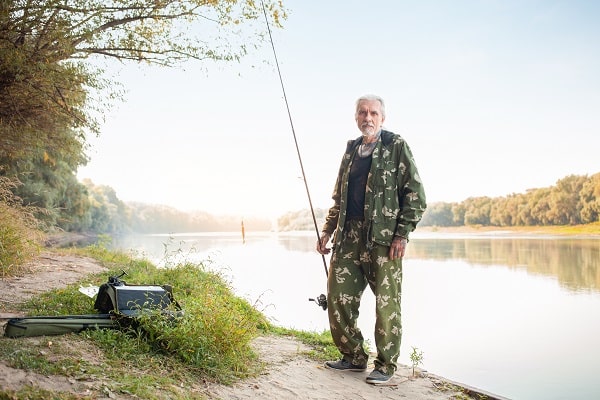
Engaging in a hobby is not just a pleasant pastime; it can also have significant mental and emotional benefits. Keeping the mind active with a hobby, such as gardening, knitting, painting, or playing a musical instrument, can lead to a reduced risk of cognitive decline. Activities like these can challenge the brain, keep hand-eye coordination sharp, and provide a sense of achievement and satisfaction when a project is completed.
Additionally, hobbies can also foster a sense of purpose and provide a sense of joy. In later life, this can be particularly important as other life roles may decrease. A hobby can provide structure to the day, giving something to look forward to, and can even provide opportunities for social interaction, such as joining a local hobby group or sharing creations with family and friends.
Eat A Healthy Diet

A balanced diet is a cornerstone of maintaining physical health, boosting immunity, and preventing chronic diseases. Consuming a variety of foods from all food groups – including lean proteins, whole grains, fruits, vegetables, and plenty of hydration – can provide the nutrients necessary for overall health and well-being. Moreover, a healthy diet can support energy levels, facilitate digestion, and even enhance mood.
In addition to the types of food consumed, portion control is equally important. Overeating can lead to weight gain and associated health risks, while under-eating can result in nutritional deficiencies. Therefore, understanding appropriate portion sizes and listening to the body’s hunger and fullness cues can help maintain a healthy weight and ensure a nutrient-rich diet. With so many factors to consider, consulting a dietitian or healthcare provider can provide personalized guidance for dietary choices that support individual health needs.
Stay Socially Connected
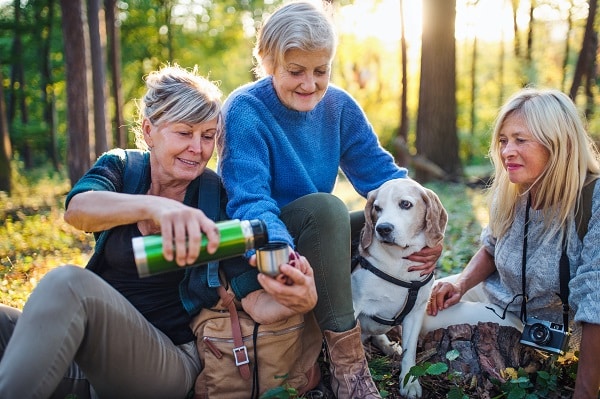
In later life, social connections can greatly contribute to emotional and mental well-being. Staying socially active is linked with decreased risk of depression, reduced stress, and slower cognitive decline. Building and maintaining strong relationships, participating in community events, volunteering, or using digital communication tools to stay connected can all contribute to a strong social network.
Moreover, engaging in regular social activities not only helps to combat feelings of loneliness and isolation, but also provides a sense of belonging and purpose. Activities like joining a book club, participating in a local senior citizens center, or taking up a group exercise class can provide regular opportunities for social interaction and can also be a great way to meet new people and form new friendships.