
Blood pressure is not a fixed number and can rise or fall throughout the day in response to different internal and external factors. A sudden spike refers to a rapid increase that occurs over a short period, often triggered by diet, stress, or environmental influences. While temporary changes are normal, sharp increases can place added strain on the heart and blood vessels. These spikes may go unnoticed at times, yet they can still affect overall cardiovascular function. Recognizing what causes these sudden changes is important, as it allows for better awareness and more consistent management of factors that influence blood pressure levels.
High Sodium Intake and Processed Foods
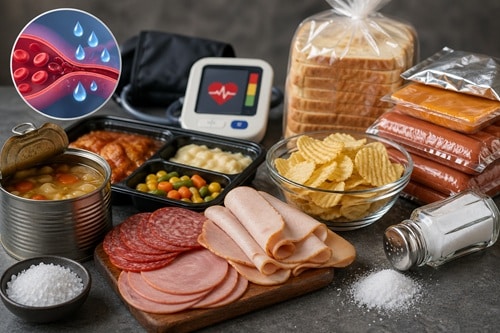
Sodium plays a major role in regulating fluid balance within the body, but excessive intake can quickly disrupt that balance. When high amounts of sodium are consumed, the body retains more water in an effort to maintain equilibrium. This increase in fluid volume can lead to a temporary rise in blood pressure as the heart works harder to circulate the additional fluid. Many processed and packaged foods contain large amounts of hidden sodium, making it easy to exceed recommended limits without realizing it.
Meals that are particularly high in salt can cause noticeable spikes shortly after consumption, especially in individuals who are more sensitive to sodium. Foods such as canned soups, frozen meals, deli meats, and snack items are common sources that contribute to these rapid increases. Over time, repeated exposure to high sodium levels can place ongoing stress on the cardiovascular system. Paying closer attention to food labels and choosing lower-sodium options can help reduce the likelihood of sudden changes in blood pressure.
Stress and Emotional Triggers

Stress has a direct and immediate impact on blood pressure through the body’s natural response system. When a stressful situation occurs, the body activates the fight-or-flight response, releasing hormones such as adrenaline and cortisol. These hormones cause the heart to beat faster and blood vessels to constrict, which can lead to a sudden increase in blood pressure. Even short bursts of stress, such as frustration or anxiety, can produce noticeable effects on cardiovascular function.
Emotional triggers vary widely, but common experiences like anger, fear, or sudden shock can all contribute to these temporary spikes. While the increase may subside once the stressful situation passes, frequent exposure to stress can lead to repeated fluctuations. Over time, these repeated spikes may contribute to strain on the heart and blood vessels. Recognizing emotional patterns and understanding how stress influences the body can be an important step in managing these changes more effectively.
Caffeine and Stimulant Consumption

Caffeine is a widely consumed stimulant that can temporarily increase blood pressure shortly after intake. It works by stimulating the central nervous system, which can lead to a rise in heart rate and a narrowing of blood vessels. These changes can result in a noticeable spike, particularly in individuals who are sensitive to caffeine or do not consume it regularly. Common sources include coffee, tea, energy drinks, and certain medications that contain stimulant compounds.
The effects of caffeine on blood pressure can vary depending on individual tolerance and the amount consumed. In some cases, the increase may be brief, while in others it can last longer and be more pronounced. Consuming large amounts within a short period can amplify these effects and lead to sharper spikes. Monitoring how the body responds to caffeine and adjusting intake accordingly can help reduce sudden fluctuations in blood pressure levels.
Lack of Physical Activity and Sudden Exertion

Regular physical activity plays an important role in helping the cardiovascular system function efficiently. When the body becomes accustomed to movement, the heart and blood vessels are better able to adjust to changes in demand without sharp increases in pressure. A lack of consistent activity can lead to reduced cardiovascular conditioning, making it more difficult for the body to respond smoothly when physical effort is required. As a result, even moderate exertion may cause a more noticeable spike in blood pressure.
Sudden or intense physical activity, especially after long periods of inactivity, can place immediate strain on the heart. Activities such as heavy lifting, sprinting, or abrupt bursts of effort can lead to temporary increases as the body works to supply oxygen to muscles. While some increase during exercise is normal, a rapid and exaggerated rise may be more concerning for those who are not regularly active. Gradually building endurance and maintaining a steady exercise routine can help the body respond more efficiently and reduce the likelihood of sudden spikes.