

Certain Medications and Substances

Various medications and substances can influence blood pressure by affecting blood vessels, fluid balance, or heart rate. Over-the-counter products, particularly decongestants, may cause blood vessels to narrow, which can lead to a temporary rise in pressure. Some prescription medications can also have similar effects, depending on how they interact with the cardiovascular system. These changes may not always be immediately noticeable, but they can contribute to unexpected fluctuations.
In addition to medications, substances such as nicotine and alcohol can play a role in sudden increases. Nicotine causes blood vessels to constrict and can raise heart rate, leading to short-term spikes. Alcohol may initially relax blood vessels but can later contribute to increased pressure, especially when consumed in larger amounts. Being aware of how different substances affect the body and reviewing medication use with a healthcare provider can help identify potential triggers and reduce unexpected changes.
Sleep Disruptions and Poor Sleep Quality

Sleep is a critical period during which the body regulates many essential functions, including blood pressure. During restful sleep, blood pressure typically decreases, allowing the heart and blood vessels to recover from daily activity. When sleep is disrupted or insufficient, this natural reduction may not occur as effectively. As a result, the body may remain in a more elevated state, increasing the likelihood of sudden spikes during waking hours.
Conditions such as inconsistent sleep patterns or disorders like sleep apnea can further interfere with normal regulation. Interrupted breathing during sleep, for example, can trigger repeated surges in blood pressure throughout the night. Over time, these disturbances may contribute to more frequent and unpredictable fluctuations. Establishing consistent sleep habits and addressing underlying sleep issues can support more stable blood pressure patterns and overall cardiovascular health.
Underlying Health Conditions and Hormonal Changes
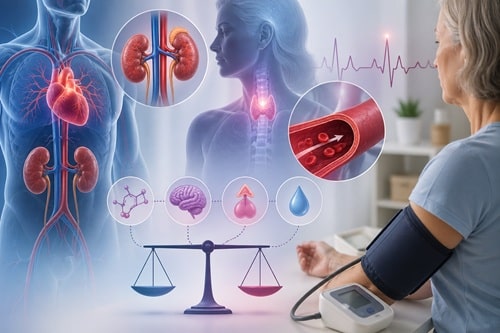
Certain underlying health conditions can interfere with the body’s ability to regulate blood pressure effectively, leading to sudden and sometimes unpredictable spikes. Disorders affecting the kidneys, such as chronic kidney disease, can disrupt fluid balance and the body’s control over sodium levels. Similarly, conditions involving the endocrine system, including hyperthyroidism, may increase metabolic activity and place added strain on the cardiovascular system. These types of conditions often alter how blood vessels respond to normal signals, making pressure levels more unstable.
Hormonal fluctuations can also play a significant role in sudden changes in blood pressure. The body relies on a delicate balance of hormones to regulate functions such as heart rate, vessel dilation, and fluid retention. When this balance is disrupted, whether due to medical conditions or natural changes, blood pressure may rise more rapidly than expected. In some cases, repeated or unexplained spikes may be one of the first noticeable signs of an underlying issue. Monitoring these patterns and seeking medical evaluation when necessary can help identify contributing factors and support more consistent regulation over time.
Understanding and Managing Sudden Blood Pressure Changes
Sudden spikes in blood pressure can result from a wide range of everyday factors, from dietary choices to emotional responses and underlying health conditions. While these increases are often temporary, repeated episodes may place additional strain on the heart and blood vessels over time. Identifying personal triggers, such as high sodium intake, stress, or poor sleep, can help reduce the likelihood of these sudden changes. Consistent lifestyle habits, including balanced nutrition, regular activity, and adequate rest, support more stable levels. When spikes become frequent or severe, medical evaluation may be necessary to rule out underlying conditions and guide appropriate management.