

The heart plays a central role in maintaining the body’s overall function by pumping oxygen-rich blood to vital organs and tissues. When this process becomes less efficient, the effects can gradually appear in different parts of the body. Early signs are often subtle and may be mistaken for everyday fatigue or minor health issues. However, these changes can signal that the heart is not working as effectively as it should. Recognizing these warning signs early is important, as it allows for timely medical evaluation and management before more serious complications develop over time.
Early Fatigue and Low Energy Levels

A noticeable decline in energy levels is often one of the earliest signs that the heart may not be pumping properly. When the heart’s efficiency decreases, less oxygen-rich blood reaches the muscles and tissues, which can leave the body feeling unusually tired. Activities that once felt routine, such as walking short distances or completing household tasks, may begin to require more effort than before. This type of fatigue tends to persist even after rest, making it different from normal tiredness caused by a busy day or lack of sleep.
Over time, this ongoing fatigue can begin to interfere with daily life and productivity. Individuals may find themselves needing to take more frequent breaks or avoiding activities they once enjoyed. In some cases, the feeling of exhaustion can be accompanied by general weakness, making physical movement feel more demanding. Because fatigue is a common symptom with many possible causes, it is often overlooked or attributed to stress or aging. However, when it continues without a clear explanation, it can be an important signal that the heart is struggling to meet the body’s demands.
Shortness of Breath During Routine Activities
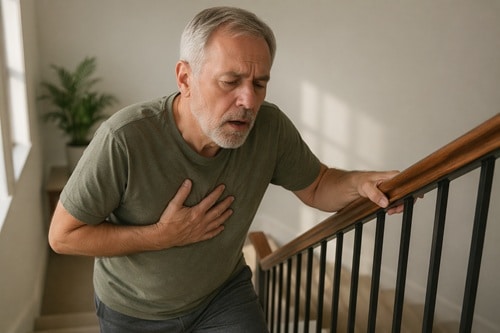
Shortness of breath is another common indicator that the heart may not be functioning efficiently. When the heart is unable to pump blood effectively, fluid can begin to accumulate in the lungs, making it harder for oxygen to move into the bloodstream. This can cause a sensation of breathlessness during activities that previously did not cause any difficulty. Even simple actions such as climbing stairs, walking, or carrying light objects may lead to noticeable breathing discomfort.
As the condition progresses, shortness of breath may occur more frequently and with less exertion. Some individuals may also experience difficulty breathing while lying down, often needing to sit upright or use extra pillows to feel more comfortable. This symptom can sometimes be mistaken for a respiratory issue, especially if it develops gradually. However, its connection to heart function becomes more apparent when it consistently appears during physical activity or worsens over time. Recognizing this pattern can help identify a potential underlying heart-related cause.
Swelling in the Legs, Ankles, or Feet

Swelling in the lower extremities, often referred to as edema, can develop when the heart is not pumping blood efficiently. Reduced circulation can cause fluid to build up in the tissues, particularly in the legs, ankles, and feet due to the effects of gravity. This swelling may start off as mild and temporary but can become more noticeable and persistent over time. Shoes may begin to feel tighter, and socks can leave deeper impressions on the skin than usual.
In more advanced cases, the swelling may extend higher up the legs and become uncomfortable or even painful. The skin in affected areas may appear stretched, shiny, or slightly discolored due to the excess fluid. Unlike occasional swelling caused by standing for long periods, this type of edema does not easily go away with rest. It may also be accompanied by a feeling of heaviness or reduced mobility. Monitoring these changes can provide important insight into how well the heart is managing circulation throughout the body.
Irregular or Rapid Heartbeat
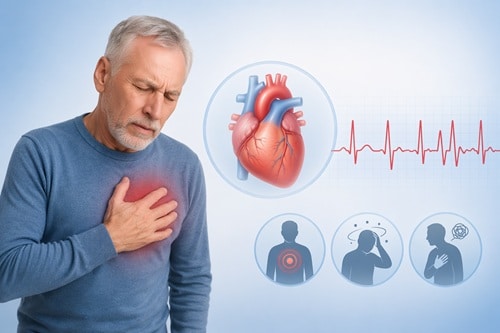
An irregular or rapid heartbeat can develop when the heart is attempting to compensate for reduced pumping efficiency. Instead of maintaining a steady rhythm, the heart may begin to beat faster or in an uneven pattern to circulate blood more effectively. This can create noticeable sensations such as fluttering, pounding, or the feeling that the heart is skipping beats. These episodes may occur during physical activity or even while at rest, depending on how the heart is functioning.
As these irregularities become more frequent, they may begin to cause discomfort or concern. Some individuals may also experience accompanying symptoms such as dizziness, lightheadedness, or a general sense of unease. While occasional changes in heart rhythm can happen for various reasons, persistent or worsening patterns may indicate an underlying issue with heart function. Monitoring when these sensations occur and how long they last can provide useful information for medical evaluation. Identifying irregular heart rhythms early can help address potential complications before they progress further.
Persistent Cough or Wheezing

A persistent cough or wheezing can sometimes be linked to fluid buildup in the lungs caused by reduced heart efficiency. When the heart is unable to move blood effectively, fluid can accumulate in the lung tissues, leading to irritation and breathing difficulties. This may result in a chronic cough that does not seem to improve with typical remedies. In some cases, the cough may produce white or slightly pink-tinged mucus, which can indicate the presence of fluid.
These symptoms often become more noticeable when lying down, as fluid distribution in the body shifts and places additional pressure on the lungs. Individuals may find themselves coughing more at night or needing to sit upright to relieve discomfort. Because coughing and wheezing are commonly associated with respiratory conditions, this sign is sometimes overlooked as a heart-related issue. However, when it persists alongside other symptoms such as fatigue or shortness of breath, it may point to reduced heart function. Recognizing this connection is important for ensuring the appropriate cause is identified and addressed.
Difficulty Concentrating or Confusion

Changes in concentration and mental clarity can occur when the brain does not receive an adequate supply of oxygen-rich blood. Reduced heart function can limit circulation to the brain, leading to symptoms such as forgetfulness, difficulty focusing, or slower thinking. These changes may begin subtly, making them easy to dismiss as normal aging or temporary distraction. Over time, however, they may become more noticeable and begin to interfere with daily tasks.
In more pronounced cases, individuals may experience confusion or a sense of mental fog that affects decision-making and awareness. Tasks that require attention or memory may take longer to complete, and conversations may become harder to follow. These cognitive changes can be particularly concerning when they develop alongside physical symptoms like fatigue or shortness of breath. While many factors can affect mental clarity, reduced blood flow from the heart is an important consideration. Paying attention to these signs can help identify potential issues that may otherwise go unrecognized.
Chest Discomfort or Pressure

Chest discomfort or pressure can be a significant sign that the heart is not pumping as effectively as it should. This sensation is often described as a feeling of tightness, heaviness, or fullness in the chest rather than sharp pain. It may occur during physical activity or periods of stress, when the heart is required to work harder to meet the body’s demands. In some cases, the discomfort can radiate to other areas such as the shoulders, arms, neck, or jaw, making it more noticeable and concerning.
The intensity and frequency of this discomfort can vary depending on the underlying cause and overall heart function. Some individuals may experience mild, recurring pressure that comes and goes, while others may notice more persistent or worsening symptoms over time. Unlike brief chest sensations that resolve quickly, ongoing or repeated discomfort may indicate that the heart is struggling to maintain adequate blood flow. Paying attention to when the symptoms occur and how long they last can provide important insight into their significance. When chest pressure becomes frequent or severe, it is considered a serious warning sign that requires prompt medical attention.
Why Paying Attention to These Symptoms Matters
Recognizing the signs that the heart may not be pumping properly is essential for protecting long-term health and preventing serious complications. Symptoms such as fatigue, shortness of breath, swelling, and chest discomfort often develop gradually, making them easy to overlook or dismiss. However, when multiple signs appear together or persist over time, they may indicate an underlying issue that requires medical attention. Monitoring changes in the body and seeking evaluation when symptoms do not improve can support earlier diagnosis and more effective management. Taking these warning signs seriously can help maintain heart function and overall well-being.