

Circulation plays a vital role in maintaining overall health by ensuring that oxygen and nutrients are efficiently delivered to tissues throughout the body. When blood flow becomes restricted or less effective, various systems can begin to show subtle signs of imbalance. Poor circulation often develops gradually, making it easy to overlook early symptoms or attribute them to temporary conditions. Over time, however, these warning signs can become more noticeable and may indicate underlying issues that require attention. Recognizing the early indicators of reduced blood flow can help identify potential concerns before they progress into more serious complications affecting long-term health.
Cold Hands and Feet

Cold hands and feet are among the most commonly reported signs of poor circulation, especially because the extremities are typically the first areas affected by reduced blood flow. When circulation is not functioning efficiently, the body may prioritize sending blood to vital organs, leaving the hands and feet with less warmth and oxygen. This can result in a persistent cold sensation, even in environments that are otherwise comfortable. In some cases, individuals may notice that their fingers and toes remain cold for extended periods without a clear external cause.
It is important to distinguish between temporary coldness caused by environmental factors and ongoing symptoms that may suggest a circulatory issue. Occasional cold hands or feet during colder weather is normal, but consistent or unexplained coldness may warrant closer attention. The sensation may also be accompanied by stiffness or discomfort, particularly after periods of inactivity. Over time, this symptom can become more pronounced and may begin to interfere with daily comfort. Monitoring how often and under what conditions this occurs can provide useful insight into whether circulation may be a contributing factor.
Numbness or Tingling Sensations

Numbness or tingling sensations, often described as a “pins and needles” feeling, can occur when blood flow to certain areas is reduced. These sensations may develop because nerves are not receiving adequate oxygen and nutrients, which can temporarily affect their ability to function properly. While this feeling can happen after sitting or lying in one position for too long, frequent or unexplained occurrences may indicate an underlying circulation issue. The sensation may come and go or gradually become more noticeable over time.
Common areas affected include the hands, fingers, legs, and feet, although it can occur in other parts of the body as well. In some cases, the tingling may be mild and short-lived, while in others it can become persistent or more intense. Distinguishing between occasional numbness due to pressure and recurring symptoms is an important step in identifying potential concerns. When circulation is impaired, these sensations may appear without an obvious trigger or may last longer than expected. Paying attention to patterns and frequency can help determine whether further evaluation is needed.
Swelling in the Lower Extremities
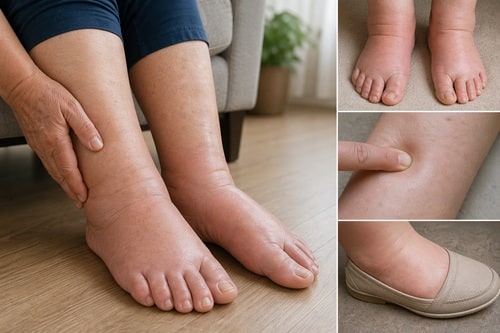
Swelling in the lower extremities, particularly in the legs, ankles, and feet, is another sign that circulation may not be functioning as it should. When blood flow is restricted or slowed, fluid can begin to accumulate in surrounding tissues, leading to visible puffiness or a feeling of tightness. This type of swelling is often more noticeable after long periods of sitting or standing, as gravity can further contribute to fluid buildup in the lower parts of the body. In some cases, shoes or clothing may begin to feel tighter than usual due to this increase in volume.
Persistent swelling may also be accompanied by discomfort, heaviness, or reduced mobility in the affected areas. While occasional swelling can occur for various reasons, such as prolonged inactivity, consistent or worsening symptoms may point to an underlying circulation issue. The skin over swollen areas may appear stretched or shiny, and pressing on the area may leave a temporary indentation. Over time, this symptom can become more frequent and may indicate that the body is struggling to maintain proper fluid balance. Observing when and how swelling occurs can help identify whether circulation may be contributing to the problem.
Changes in Skin Color or Texture
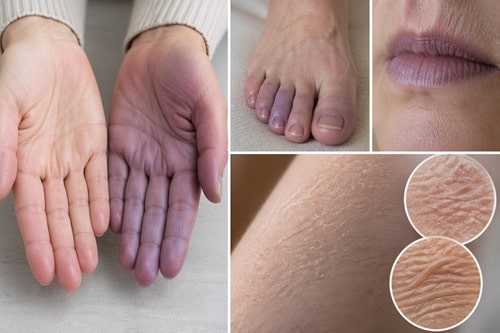
Changes in skin color or texture can be a visible indicator that circulation is not functioning properly. When blood flow is reduced, the skin may appear pale, bluish, or even slightly purple in certain areas due to lower oxygen levels. These changes are often most noticeable in the fingers, toes, lips, or other extremities where circulation is more easily affected. In some cases, the discoloration may come and go, while in others it may become more consistent over time.
In addition to color changes, the texture of the skin may also shift as circulation declines. The skin may become dry, thin, or more fragile, making it more susceptible to irritation or damage. Some individuals may notice increased sensitivity or a lack of elasticity in affected areas. These changes can develop gradually and may be mistaken for normal aging or environmental factors. Paying attention to persistent or unusual differences in skin appearance can help identify whether reduced circulation may be contributing to these changes.