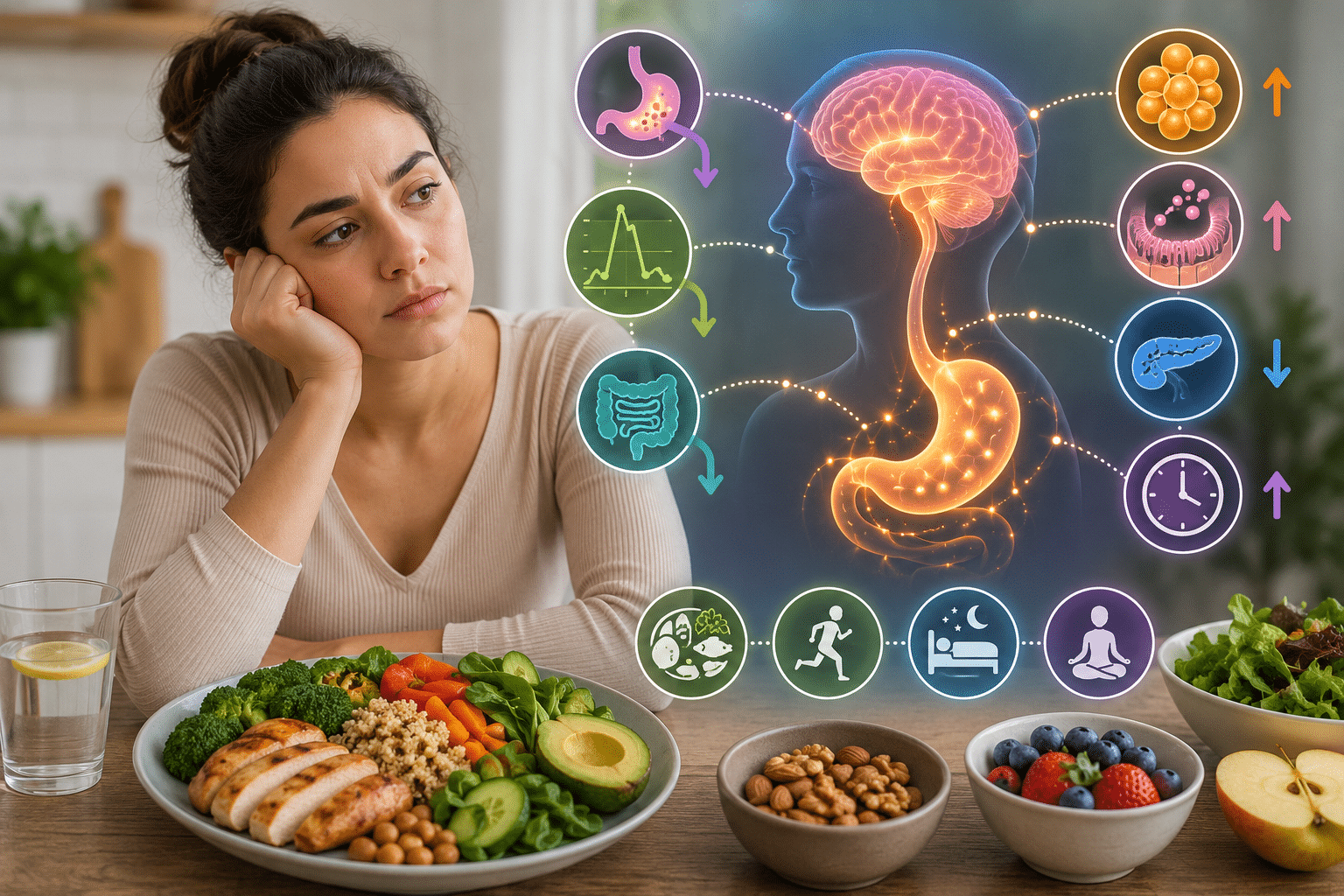
Sugar and cancer: two terms that are increasingly linked in scientific studies, highlighting a worrying connection. Found in everything from morning cereals to beverages, sugar is a pervasive element in many diets. This article delves into the intricate relationship between sugar consumption and an increased risk of developing cancer. Through an exploration of scientific findings and expert analyses, you will uncover how reducing sugar intake could be a crucial strategy in cancer prevention, offering insights that encourage more informed dietary decisions.
The Nature of Sugar and Its Ubiquity in Diets

Sugar, in its many forms, is a fundamental component of the average diet. Glucose, fructose, and sucrose are the most consumed types, each affecting the body in unique ways. Commonly found in processed foods, desserts, and beverages, sugar is almost inescapable in daily eating habits. Recognizing these sources is the first step in understanding your own sugar consumption patterns. Awareness of sugar’s omnipresence is crucial for making informed dietary choices.
The average supermarket shelf is laden with hidden sugars, masquerading under various names like maltose, dextrose, and high-fructose corn syrup. This deceptive labeling can make it difficult for consumers to recognize sugar content in their purchases. Sugar’s prevalence isn’t just limited to sweets; it’s also added to bread, sauces, and even healthy foods like yogurt. Such widespread use makes sugar one of the most common yet overlooked dietary elements. Educating oneself about these hidden sources is essential for managing intake.
Understanding How the Body Processes Sugar
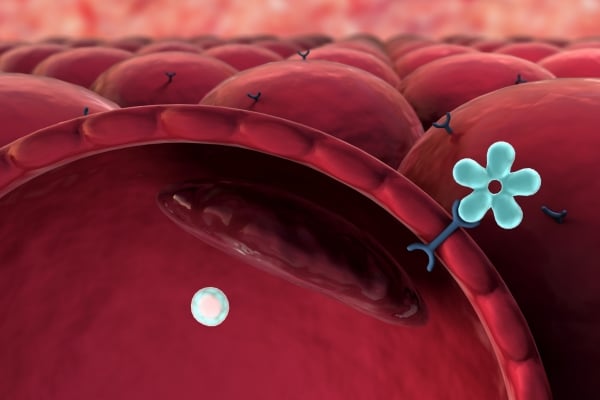
When sugar enters the body, it’s quickly broken down into simpler molecules like glucose, which cells use for energy. Insulin, a hormone produced by the pancreas, helps glucose enter the cells. However, frequent sugar rushes can lead to spikes in insulin levels, which, if persistent, may strain the body’s metabolic control. Over time, this can lead to insulin resistance, a precursor to several metabolic disorders, including type 2 diabetes.
Insulin resistance is particularly troubling because it can force the pancreas to work harder, producing more insulin to lower blood glucose levels. This condition not only stresses the pancreas but also affects the whole body’s metabolism, creating a fertile ground for various diseases, including cancer. High insulin levels may promote tumor growth by encouraging cells to divide more rapidly. Understanding these physiological impacts of sugar is crucial in appreciating its potential risks.
Scientific Insights: Sugar’s Link to Cancer

Recent studies have begun to shed light on how high sugar intake might increase cancer risk. Research indicates that sugar contributes to obesity, which is an established risk factor for various types of cancer. Moreover, certain cancers seem to thrive in high-sugar environments, suggesting that dietary sugar feeds tumor growth. These findings point to a disturbing link between the sweetest habits and one of the deadliest diseases.
The mechanisms behind sugar’s impact on cancer are complex and multifaceted. One theory suggests that sugar increases the levels of inflammation in the body, which may create an environment more conducive to cancer development. Additionally, high sugar levels can directly affect the way cells grow and multiply, potentially leading to mutations and cancerous growths. Understanding these mechanisms is critical for both medical professionals and the public in addressing cancer prevention.
Sugar and Its Impact on Obesity

Obesity is a growing health crisis globally, and its connections to sugar consumption are well-documented. Diets high in sugary foods and beverages significantly contribute to excessive calorie intake, leading to weight gain and, eventually, obesity. This condition is not merely about body weight but also relates to severe health complications, including an increased risk of cancer, particularly breast, colon, and pancreatic cancers.
Excessive body fat changes the way your body functions, altering hormone production and inflammation levels, which in turn impacts cancer risk. Adipose tissue, particularly in large amounts, can produce hormones and other signals that promote cell growth and multiplication. These biological changes are believed to increase the likelihood of developing cancer, making the management of obesity critical in cancer prevention. Tackling sugar consumption is a vital part of this management strategy.