

As people age, nutritional needs begin to shift in ways that can directly impact overall health and daily well-being. The body processes food differently over time, with changes in metabolism, digestion, and nutrient absorption becoming more noticeable. Certain foods that were once tolerated without issue may begin to contribute to chronic conditions such as high blood pressure, heart disease, or blood sugar imbalances. Because of these changes, paying closer attention to diet becomes increasingly important. Identifying foods that may pose risks can help support better health outcomes, reduce complications, and contribute to maintaining independence and quality of life.
Processed and Packaged Foods

Processed and packaged foods are widely available and often convenient, but they can present several concerns for older adults. These foods typically include items such as chips, frozen dinners, and pre-packaged snacks that are designed for long shelf life. To achieve this, manufacturers often add preservatives, excess sodium, and unhealthy fats, which can negatively impact health over time. Many processed foods also lack essential nutrients, making them less beneficial compared to fresh, whole food options. As the body ages, it becomes more important to prioritize nutrient-dense foods that support overall function rather than those that provide empty calories.
The high sodium content found in many processed foods can contribute to elevated blood pressure, which is a common concern among seniors. Excess sodium may also lead to fluid retention, placing additional strain on the heart and kidneys. In addition, processed foods often contain trans fats and refined ingredients that can increase the risk of cardiovascular disease. Over time, relying heavily on these foods may lead to imbalances in essential vitamins and minerals. Choosing minimally processed alternatives can help support heart health and improve overall nutritional intake.
Foods High in Added Sugars

Foods that are high in added sugars can have a significant impact on health, particularly as the body becomes less efficient at regulating blood glucose levels. Common sources include sugary beverages, baked goods, candies, and many packaged desserts. These foods can cause rapid spikes in blood sugar, followed by sudden drops that may lead to fatigue and irritability. Over time, frequent consumption of added sugars can increase the risk of developing Type 2 diabetes, a condition that is already more prevalent among older adults. Maintaining stable blood sugar levels becomes increasingly important for long-term health and daily energy levels.
In addition to affecting blood sugar, high sugar intake can contribute to weight gain and increase the risk of heart disease. Excess sugar is often converted into fat in the body, which can accumulate and impact cardiovascular health. There is also evidence suggesting that diets high in sugar may influence cognitive function over time, although this varies by individual. Because metabolism tends to slow with age, the body may not process excess sugar as efficiently as it once did. Reducing added sugars and choosing naturally sweet foods, such as fruits, can help support a more balanced diet.
High-Sodium Foods
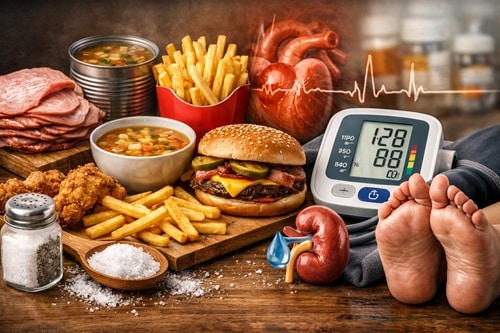
High-sodium foods are a major concern for seniors, as the body’s ability to regulate sodium levels can decline with age. Foods such as canned soups, deli meats, fast food, and certain restaurant meals often contain large amounts of salt to enhance flavor and preserve freshness. While sodium is necessary in small amounts for normal body function, excessive intake can lead to health complications. One of the most common issues is high blood pressure, which can increase the risk of heart disease and stroke. Monitoring sodium intake becomes especially important for those already managing these conditions.
As kidney function naturally changes over time, the body may struggle to remove excess sodium effectively. This can result in fluid buildup, swelling, and added strain on the cardiovascular system. Many high-sodium foods also contain hidden salt, making it difficult to recognize how much is being consumed without carefully reading labels. Frequent consumption of these foods can contribute to long-term health risks that may otherwise be preventable. Choosing low-sodium options and preparing meals at home can help reduce overall intake and support better health outcomes.
Fried and Greasy Foods

Fried and greasy foods are often high in unhealthy fats, including saturated and trans fats, which can have a significant impact on cardiovascular health. Common examples include fried chicken, french fries, and many fast food items that are cooked in oil at high temperatures. These foods tend to be calorie-dense while offering limited nutritional value, making them less suitable for older adults who require more nutrient-rich options. As metabolism slows with age, excess calories from these foods are more likely to contribute to weight gain. Maintaining a balanced diet becomes more challenging when fried foods are consumed frequently.
In addition to their impact on heart health, fried foods can also be difficult to digest, particularly for seniors. The digestive system may become less efficient over time, leading to discomfort such as bloating or indigestion after consuming greasy meals. High intake of unhealthy fats is also associated with increased cholesterol levels, which can further raise the risk of heart disease. These foods may also contribute to inflammation within the body, which has been linked to various chronic conditions. Choosing cooking methods such as baking, grilling, or steaming can provide similar flavors without the added health risks.
Raw or Undercooked Foods

Raw or undercooked foods can pose a higher risk for foodborne illnesses, especially in older adults whose immune systems may not respond as strongly as they once did. Foods such as raw eggs, undercooked meats, and certain types of seafood can contain harmful bacteria like Salmonella or E. coli. While these foods may not always cause illness in younger individuals, seniors are more vulnerable to severe symptoms and complications. Even mild food poisoning can lead to dehydration or hospitalization in older populations. Proper food preparation becomes increasingly important to reduce these risks.
Cooking foods to safe internal temperatures is one of the most effective ways to eliminate harmful bacteria. Ensuring that meats are fully cooked and avoiding raw or lightly cooked dishes can significantly lower the chance of infection. Cross-contamination during food preparation is another concern, as bacteria can spread from raw foods to other surfaces or ingredients. Practicing proper hygiene in the kitchen, including washing hands and utensils, plays a key role in food safety. Being cautious with food choices and preparation methods can help protect overall health and prevent avoidable illnesses.
Unpasteurized Dairy Products
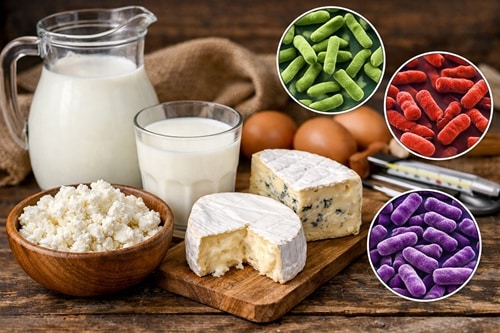
Unpasteurized dairy products, including raw milk and certain soft cheeses, can contain harmful bacteria that pose serious risks to older adults. These products have not undergone the pasteurization process, which is designed to eliminate pathogens such as Listeria, Salmonella, and E. coli. While some individuals choose unpasteurized options for perceived nutritional benefits, the potential health risks often outweigh these claims, particularly for seniors. Infections caused by these bacteria can be more severe and harder to recover from with age. As a result, avoiding these products is generally considered a safer choice.
Older adults are more susceptible to complications from foodborne bacteria, including prolonged illness and increased risk of hospitalization. Listeria infections, in particular, have been associated with serious outcomes in vulnerable populations. Many unpasteurized dairy products may look and taste similar to pasteurized versions, making it important to carefully read labels when purchasing. Choosing pasteurized milk, yogurt, and cheese can provide similar nutritional benefits without the added risk. Making informed decisions about dairy consumption can help reduce exposure to harmful bacteria and support overall well-being.
Alcohol and Caffeine in Excess

Alcohol and caffeine are widely consumed, but their effects can change as the body ages, making moderation increasingly important. Alcohol can interact with medications that are commonly prescribed to older adults, including those for blood pressure, diabetes, and sleep disorders. These interactions may reduce the effectiveness of medications or increase the risk of side effects. In addition, the body processes alcohol more slowly over time, which can lead to stronger and longer-lasting effects. This may increase the risk of dizziness, falls, and impaired coordination, especially when consumed in higher amounts.
Caffeine, found in coffee, tea, and certain sodas, can also have a more pronounced impact on older adults. It may interfere with sleep patterns, leading to difficulty falling asleep or staying asleep throughout the night. Poor sleep quality can contribute to fatigue, reduced focus, and overall decreased well-being. Caffeine can also affect heart rate and may cause feelings of restlessness or anxiety in some individuals. Being mindful of intake and adjusting consumption based on personal tolerance can help support better sleep and overall health.
Building a Safer Diet for Long-Term Health
Making thoughtful food choices becomes increasingly important with age, as the body responds differently to certain ingredients and preparation methods. Limiting foods that are high in sodium, added sugars, unhealthy fats, or potential contaminants can help reduce the risk of chronic conditions and support overall well-being. Replacing these items with nutrient-dense options such as fruits, vegetables, lean proteins, and whole grains can provide essential nutrients needed for daily function. Paying attention to food labels and preparation practices also plays a key role. A balanced approach to eating can help maintain energy, independence, and quality of life over time.