The liver, your body’s largest internal organ, plays a pivotal role in processing everything from nutrients to toxins. Maintaining its health is essential for overall well-being, yet many everyday habits can compromise its function without you even realizing it. From the beverages you drink to the medications you take, seemingly harmless choices can lead to significant health issues. This article delves into common behaviors that may be silently damaging your liver, offering insights into how you can avoid these pitfalls and keep your liver functioning optimally.
Excessive Alcohol Consumption

Alcohol is metabolized by the liver, but excessive drinking can overwhelm this process, leading to fatty deposits and inflammation. Over time, this can escalate to more severe conditions such as alcoholic hepatitis and cirrhosis, which are marked by scarring and impaired liver function. It’s not just heavy drinkers who are at risk; even moderate drinking, if consistent enough, can subtly damage liver cells. This damage is often silent, gradually accumulating before symptoms become apparent. Recognizing the risks associated with alcohol can help you make informed decisions about your consumption levels.
Fatty liver disease associated with alcohol intake doesn’t always show immediate symptoms but can significantly reduce liver efficiency and regeneration over time. If this condition persists, it can hinder the liver’s ability to detoxify the body, leading to a buildup of toxins and further health complications. The liver’s remarkable ability to regenerate is compromised, and without intervention, permanent damage might ensue. Reducing alcohol intake or abstaining altogether provides the liver a chance to recover, highlighting the importance of moderation or elimination of alcohol in preserving liver health.
Overuse of Medications

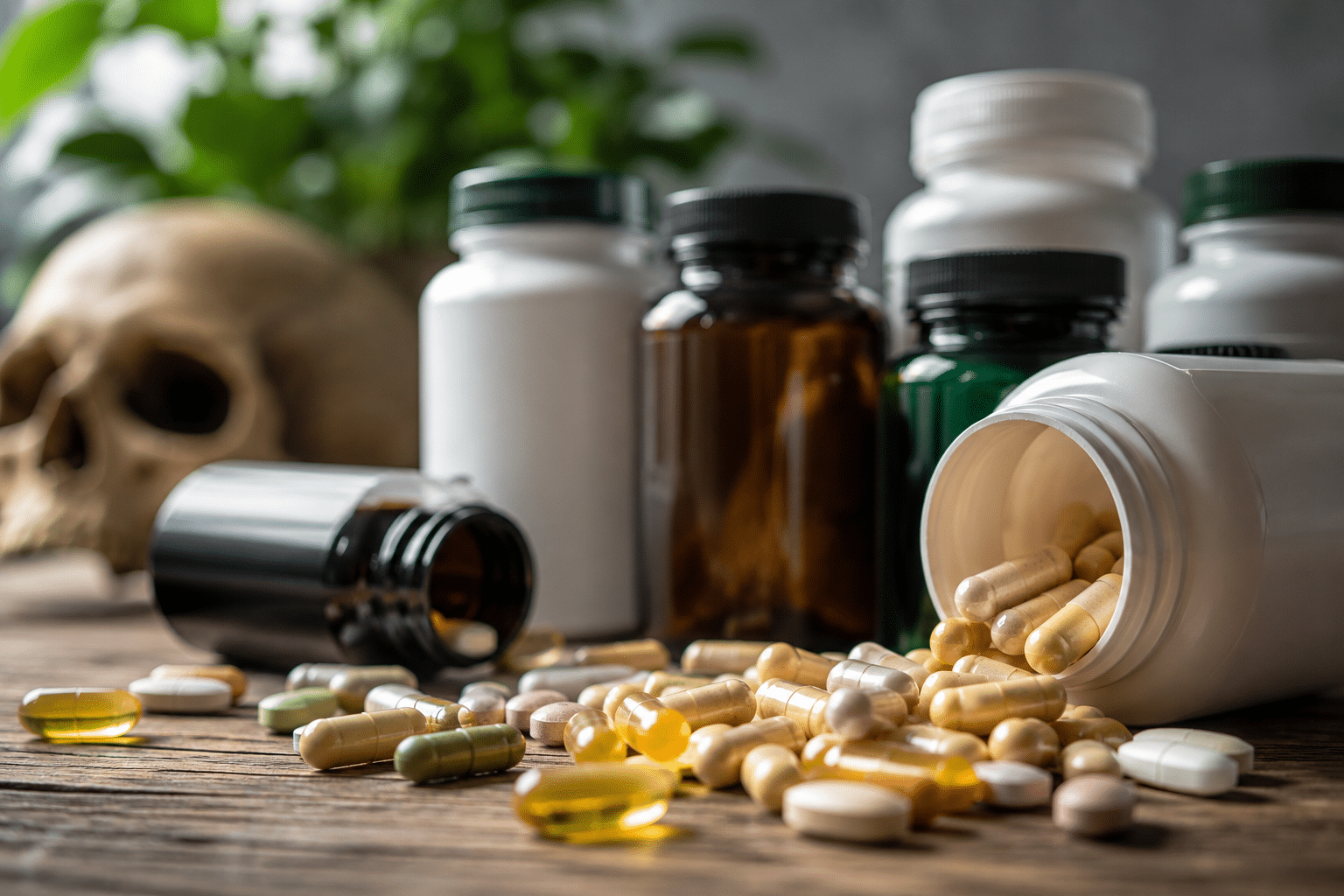
Regular use of certain medications, particularly over-the-counter pain relievers like acetaminophen, can silently wreak havoc on your liver. While safe in prescribed doses, in higher amounts, or in frequent usage, these drugs can lead to liver damage or acute liver failure. This risk is heightened when combined with alcohol or other medications that also affect liver function. Many people take these medications for common ailments such as headaches and muscle pain, often without considering the potential long-term impact on their liver health.
Additionally, prescription medications, including some antibiotics and anticonvulsants, can be toxic to the liver if not monitored correctly. It is crucial to follow dosage instructions and seek regular medical advice, particularly if you require long-term medication. Regular liver function tests can be a critical step in detecting any damage early, allowing for adjustments in medication or treatment approaches. Awareness and proactive management of medication intake are key to preventing inadvertent harm to your liver.
Smoking

Smoking introduces a range of harmful chemicals into the body, which the liver then has to process. These toxins can exacerbate the effects of other liver-damaging habits, such as excessive alcohol consumption, by further stressing the liver’s detoxification capabilities. Nicotine and other chemicals in cigarettes impair the cells’ function and blood flow within the liver, leading to a slower healing process and increased risk of disease. Moreover, smoking can increase the risk of developing liver cancer, adding another layer of danger to this habit.
The secondary effects of smoking, such as contributing to the development of liver fibrosis, underscore the interconnected nature of bodily systems. Liver fibrosis occurs when chronic damage to the liver leads to the accumulation of scar tissue, which can severely inhibit liver function. The cessation of smoking not only improves lung health but also significantly benefits liver function. It reduces the liver’s workload in filtering out toxins and can slow or even reverse some of the damage caused by other factors.