
Air pollution is an invisible threat that affects millions of people worldwide. Every day, harmful pollutants are released into the air you breathe, posing significant risks to your health. Understanding the impact of these pollutants on your lungs is crucial, as they can lead to both immediate and long-term health issues. This post will delve into the different types of air pollutants, how they affect the lungs, and the short- and long-term consequences of exposure. By the end, you’ll gain a clearer understanding of why reducing air pollution is essential for protecting your respiratory health.
The Types of Air Pollutants and Their Sources
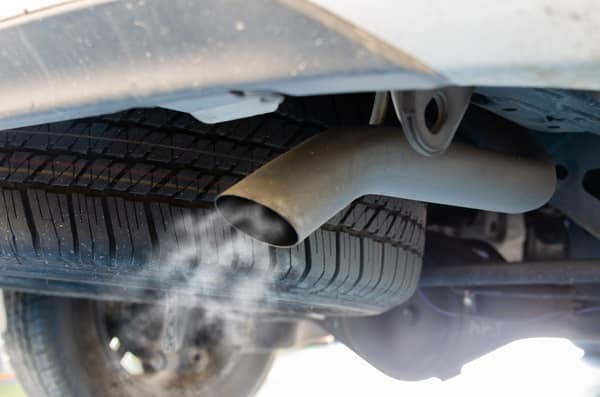
Particulate matter, particularly PM2.5 and PM10, consists of tiny particles that can penetrate deep into the lungs. These particles come from various sources, including vehicle emissions, industrial processes, and natural events like wildfires. PM2.5 particles are especially dangerous due to their small size, allowing them to bypass the body’s natural defenses. Exposure to high levels of particulate matter can cause respiratory issues and aggravate existing lung conditions. It’s crucial to recognize the sources of these pollutants to mitigate their impact on your health.
Gaseous pollutants, such as ozone, nitrogen dioxide, and sulfur dioxide, also pose significant risks to lung health. Ozone, a major component of smog, forms when pollutants emitted by cars and industrial facilities react in sunlight. Nitrogen dioxide and sulfur dioxide result primarily from fossil fuel combustion in power plants and vehicles. These gases can irritate the airways, leading to inflammation and respiratory problems.
How Air Pollutants Enter and Affect the Lungs
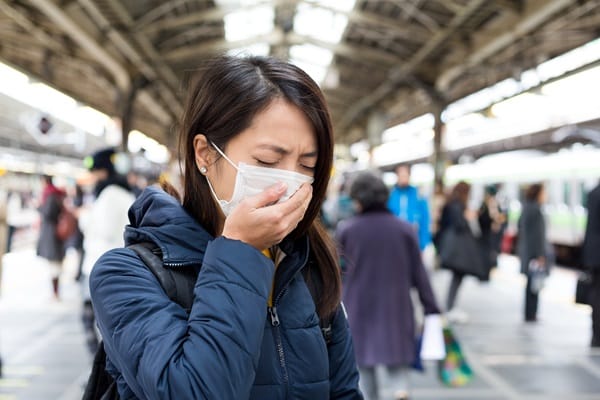
When you breathe, air pollutants enter your respiratory system through the nose and mouth. The nasal passages and upper respiratory tract filter out larger particles, but smaller particles can reach the lungs. Once in the lungs, these pollutants can penetrate the alveoli, tiny air sacs where gas exchange occurs. The body’s immediate response includes coughing and mucus production to expel the irritants. However, prolonged exposure can overwhelm these defenses and cause more severe damage.
The immediate effects of air pollution on the respiratory tract include irritation and inflammation. Pollutants can cause the airways to constrict, making it difficult to breathe. This response is particularly dangerous for individuals with asthma or other pre-existing respiratory conditions. Symptoms like coughing, wheezing, and shortness of breath can become more frequent and severe. Continuous exposure to polluted air can lead to chronic respiratory issues, highlighting the importance of minimizing exposure.
Short-Term Health Effects of Air Pollution on the Lungs

Acute respiratory infections are common short-term health effects of air pollution. Polluted air increases the likelihood of infections such as bronchitis and pneumonia. These infections can be particularly severe for young children, the elderly, and individuals with weakened immune systems. High levels of air pollution correlate with increased doctor visits and hospital admissions for respiratory infections. The immediate impact of polluted air on respiratory health cannot be underestimated.
Air pollution can also exacerbate asthma and allergies, leading to more frequent and severe attacks. Pollutants like ozone and particulate matter are known asthma triggers, causing inflammation and airway constriction. During high pollution days, individuals with asthma may experience increased symptoms and need more medication. Allergies can also worsen as pollutants interact with allergens to heighten the body’s immune response. Understanding these short-term effects helps in managing and reducing exposure to harmful air pollutants.
Long-Term Health Consequences of Air Pollution

Prolonged exposure to air pollution can lead to chronic obstructive pulmonary disease (COPD). COPD encompasses conditions like emphysema and chronic bronchitis, which cause long-term respiratory issues. Pollutants like cigarette smoke and industrial emissions contribute significantly to the development of COPD. Symptoms include persistent cough, mucus production, and difficulty breathing. Managing air quality is essential for preventing the onset of such debilitating conditions.
Lung cancer is another severe long-term consequence of air pollution. Carcinogenic pollutants, such as benzene and formaldehyde, can damage lung tissue and lead to cancer over time. Studies have shown a clear link between air pollution and increased lung cancer rates. Non-smokers exposed to high levels of pollutants are also at risk. Protecting oneself from prolonged exposure to polluted air is crucial to reducing the risk of lung cancer.