

Carrots

Carrots are a popular vegetable known for their vibrant orange color, although they come in various other hues like purple, yellow, and red. They are rich in beta-carotene, an antioxidant that converts to vitamin A in the body. Vitamin A plays a crucial role in reducing inflammation by regulating the immune system and inhibiting the production of inflammatory cytokines.
Adding carrots to one’s diet is straightforward and can be done in numerous ways. They can be consumed raw as a crunchy snack, added to salads for a pop of color, or cooked into soups and stews. Carrots can be juiced with other fruits and vegetables for a nutrient-packed beverage. Their natural sweetness and versatility make them an easy addition to meals, offering flavor and anti-inflammatory benefits.
Sweet Potatoes
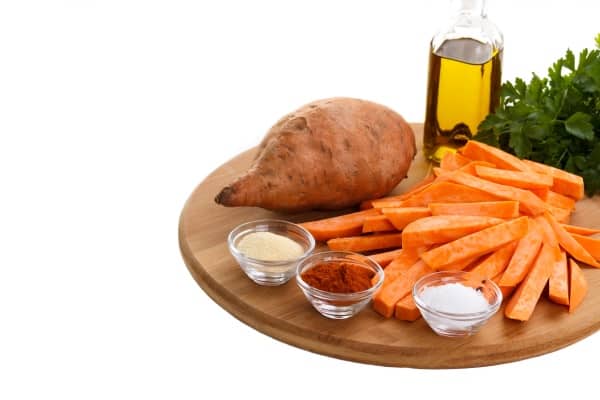
Sweet potatoes are starchy root vegetables rich in fiber, vitamins A and C, and minerals like potassium and manganese. They contain anthocyanins and other antioxidants that have been found to have anti-inflammatory properties. These compounds work by neutralizing free radicals in the body, thereby reducing oxidative stress and inflammation.
Incorporating sweet potatoes into the diet is easy and can be quite delicious. They can be baked and topped with a dollop of Greek yogurt for a healthy snack, mashed as a side dish, or used in casseroles for a hearty meal. The natural sweetness of sweet potatoes also makes them suitable for desserts, offering a healthier alternative to traditional sugary treats.
Garlic
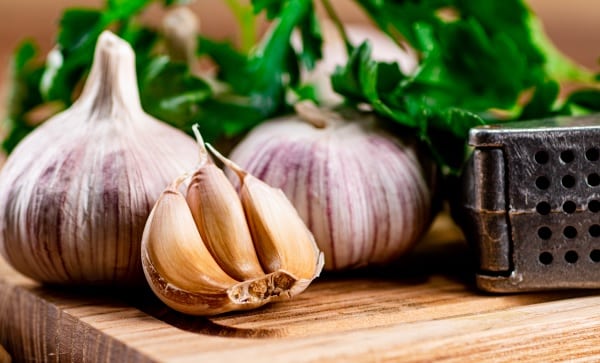
Garlic is a pungent vegetable used commonly as a seasoning in various cuisines. It contains vitamins C and B6 and manganese and is known for its strong flavor and aroma. Garlic contains allicin, a compound found to have anti-inflammatory effects. Allicin works by inhibiting the activation of certain pathways that trigger inflammation, making garlic a potent anti-inflammatory food.
Adding garlic to meals is an easy way to boost flavor and health benefits. It can be minced and added to sauces, used to season meats and vegetables, or incorporated into stir-fries and casseroles. The key is to use it in moderation, as its strong flavor can overpower other ingredients. However, garlic can elevate a dish when used correctly while providing anti-inflammatory benefits.
Kale
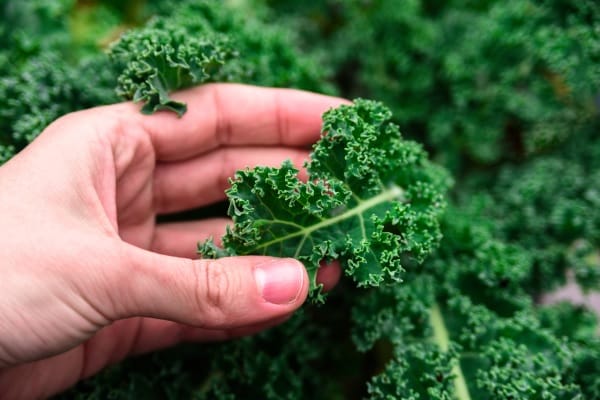
Kale is a leafy green vegetable that has gained popularity for its high nutrient content. It is rich in vitamins A, K, and C and minerals like calcium and potassium. Kale contains flavonoids, compounds that have been shown to have anti-inflammatory benefits. These flavonoids work by inhibiting the production of inflammatory markers, making kale a valuable addition to an anti-inflammatory diet.
Incorporating kale into the diet can be done in various ways. It can be used in salads, added to smoothies for a nutrient boost, or sautéed with a bit of olive oil and garlic for a tasty side dish. Its slightly bitter taste pairs well with sweet and savory ingredients, making it a versatile vegetable for various dishes.
The Bottom Line
The role of diet in managing inflammation cannot be overstated. Incorporating anti-inflammatory vegetables like spinach, broccoli, bell peppers, beets, carrots, sweet potatoes, garlic, and kale can offer a range of health benefits, from boosting the immune system to reducing the risk of chronic diseases. Each vegetable discussed in this article not only offers a unique set of nutrients but also contains specific compounds that have been found to have anti-inflammatory properties. Making these vegetables a regular part of a balanced diet can be a simple yet effective way to promote better health and well-being.