
Headaches, a common ailment affecting millions worldwide, can disrupt daily life, productivity, and overall well-being. Various types exist, each presenting its own set of challenges and discomforts, often leading sufferers to seek both medical and natural remedies. Amid the plethora of treatments, natural remedies have gained traction for their minimal side effects and holistic approach. These options, rooted in ancient traditions and validated by modern science, offer an array of solutions from hydration to the application of essential oils. This post aims to guide readers through proven natural strategies, elucidating their effectiveness in alleviating the discomfort associated with headaches.
Essential Oils
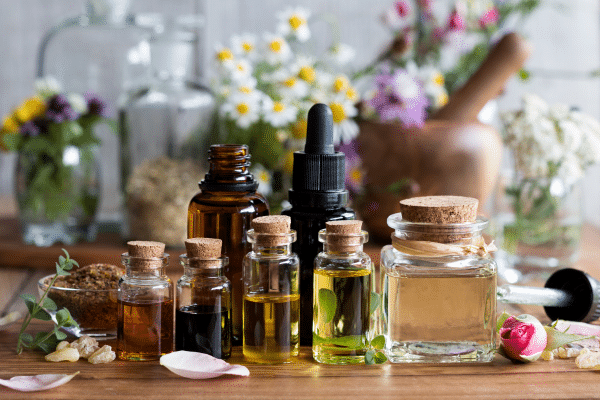
Peppermint and lavender essential oils have made their mark as effective natural remedies for headache relief. Peppermint oil, enriched with menthol, aids in regulating blood flow in the body and has a cooling effect that can soothe headaches. Lavender oil is renowned for its calming properties and ability to relieve tension, a common source of headaches. These oils offer non-invasive, aromatic, and topical application methods, presenting themselves as versatile options for headache sufferers.
The application of these oils is both an art and a science. For peppermint oil, applying a diluted solution to the temples and forehead can offer relief, thanks to its cooling and soothing effects. Lavender oil, often used in aromatherapy, can be inhaled directly or diffused in the air for an enveloping relief experience. It’s crucial to ensure the purity and quality of the oils and adhere to safety guidelines to maximize their benefits and avoid potential side effects.
Dietary Changes

The direct correlation between diet and headaches is well-documented. Certain foods and additives can trigger headaches, such as monosodium glutamate (MSG), caffeine, chocolate, and aged cheeses. These elements can influence blood flow to the brain or lead to inflammation, resulting in discomfort. By identifying and avoiding personal food triggers, one can significantly mitigate the occurrence of headaches, leading to improved overall well-being.
Incorporating specific foods that combat inflammation and enhance hydration can also play a significant role in managing headache pain. Foods rich in magnesium, such as leafy greens, nuts, and seeds, have been linked to a reduction in the frequency of migraine attacks. Additionally, maintaining a balanced diet that supports overall health can indirectly result in fewer headaches, emphasizing the profound connection between nutrition and health.
Physical Exercise

Engaging in regular physical activity is instrumental in promoting circulation, reducing tension, and alleviating stress – all key components in the prevention and management of headaches. Exercises like jogging, swimming, or even a brisk walk, can significantly bolster endorphin levels, the body’s natural painkillers, and improve mood and sleep quality, further curbing the prevalence of headaches.
Yoga and stretching exercises are particularly beneficial for addressing tension headaches. The practice of yoga promotes relaxation, flexibility, and stress reduction. Incorporating regular sessions can aid in diminishing the frequency and intensity of headaches over time. The fusion of physical movement, breathing exercises, and meditation within yoga offers a holistic approach to headache prevention and relief.
Herbal Teas

Herbal teas are renowned for their medicinal properties, offering relief for a variety of ailments, including headaches. Ginger tea, for example, boasts anti-inflammatory properties and has been shown to combat nausea, a common accompaniment to migraines. Chamomile tea, on the other hand, is praised for its relaxation and stress-relieving benefits, addressing tension headaches effectively.
Consumption of these natural elixirs is not just a reactionary measure but can be integrated into daily routines for preventative care. Incorporating a warm cup of herbal tea into one’s daily regimen can serve as both a moment of relaxation and a practical strategy to mitigate the onset of headaches. The ease of preparation and accessibility of these teas make them a favored option for those seeking natural, effective, and enjoyable headache relief.