
Inflammation is a natural body response to injury or infection, but chronic inflammation can lead to various health issues, including heart disease, diabetes, and arthritis. Diet plays a crucial role in managing inflammation, and certain vegetables offer anti-inflammatory benefits that can help mitigate the risks associated with chronic inflammation. This article aims to explore various vegetables that are not only nutritious but also possess anti-inflammatory properties. From leafy greens like spinach to root vegetables like beets, the focus will be on how these veggies can be a valuable addition to a balanced diet to fight inflammation.
Spinach

Spinach is a leafy green vegetable rich in antioxidants, vitamins, and minerals such as iron, calcium, and magnesium. These nutrients make it an excellent choice for a healthy diet. The vegetable contains compounds like quercetin, which has been shown to have anti-inflammatory properties. Quercetin works by inhibiting the inflammatory processes in the body, making spinach a good option for those looking to manage inflammation through diet.
Incorporating spinach into one’s diet is relatively easy due to its versatility. It can be added to smoothies for a nutrient boost, used in salads for a fresh, leafy component, or cooked into dishes like omelets and casseroles. Whether raw or cooked, spinach retains its nutritional value, making it a convenient and beneficial addition to meals.
Broccoli

Broccoli is another vegetable that packs a nutritional punch. It is rich in vitamins K and C and fiber, making it beneficial for digestive health. Moreover, broccoli contains sulforaphane, a compound that has been found to have potent anti-inflammatory effects. Sulforaphane targets inflammation at the cellular level, making broccoli a valuable vegetable for those looking to manage inflammation.
Adding broccoli to the diet can be as simple as steaming it for a side dish or incorporating it into stir-fries. It can also be roasted with a drizzle of olive oil and some seasoning for a delicious and nutritious snack. The key is avoiding overcooking it, which can diminish its nutritional value. Lightly steaming or roasting can help preserve the essential nutrients that make broccoli an anti-inflammatory powerhouse.
Bell Peppers

Bell peppers are not only colorful but also rich in nutrients. They are an excellent source of vitamin C, which is known for its immune-boosting properties. In addition to vitamin C, bell peppers contain capsaicin, a compound that has been shown to reduce markers of inflammation in the body. Capsaicin works by inhibiting the inflammatory pathways, making bell peppers an effective vegetable for combating inflammation.
Bell peppers are incredibly versatile and can be included in various dishes. They can be sliced and added to salads for color and flavor or cooked into dishes like fajitas and casseroles. They can also be stuffed with grains and proteins for a wholesome meal. Whether raw or cooked, bell peppers offer taste and anti-inflammatory benefits.
Beets
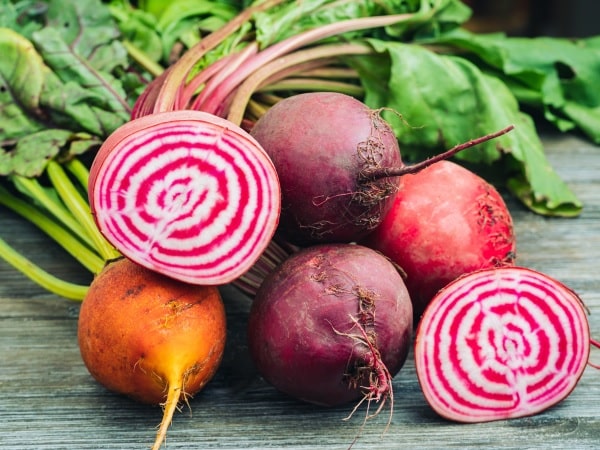
Beets are root vegetables known for their deep red color and earthy flavor. They are high in fiber, vitamins, and minerals like potassium and manganese. One of the key compounds in beets is betalain, which has been found to offer anti-inflammatory benefits. Betalains neutralize enzymes in the body that trigger inflammation, making beets a useful vegetable for those looking to manage inflammatory conditions.
Incorporating beets into the diet can be as simple as adding them to juices or smoothies for an extra nutrient kick. They can also be roasted with a sprinkle of salt and pepper for a hearty side dish or sliced thinly and added to salads. The versatility of beets makes them an easy and effective way to add anti-inflammatory foods to any meal plan.