Kefir
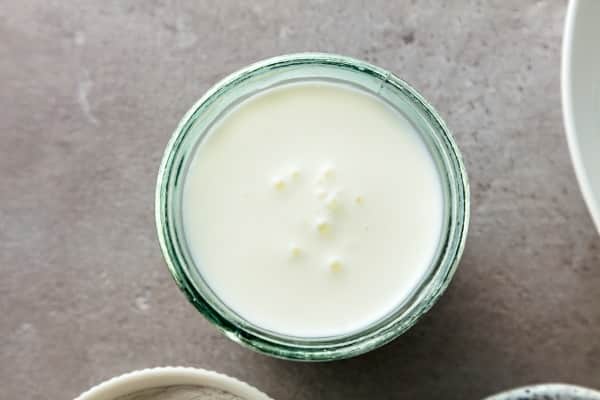
Kefir is a fermented dairy product similar to yogurt but with a thinner consistency. Originating from Eastern Europe, this tangy beverage is rich in probiotics, beneficial bacteria that play a crucial role in maintaining gut health. A healthy gut is essential for controlling inflammation, as an imbalance in gut bacteria can trigger inflammatory responses.
Making kefir at home is relatively simple but requires kefir grains, a combination of yeast and bacteria. These grains are added to milk and fermented for about 24 hours. The result is a tangy, slightly effervescent drink that’s delicious and packed with anti-inflammatory benefits. For those who are lactose intolerant, kefir can also be made with non-dairy alternatives like coconut milk.
Almond Milk
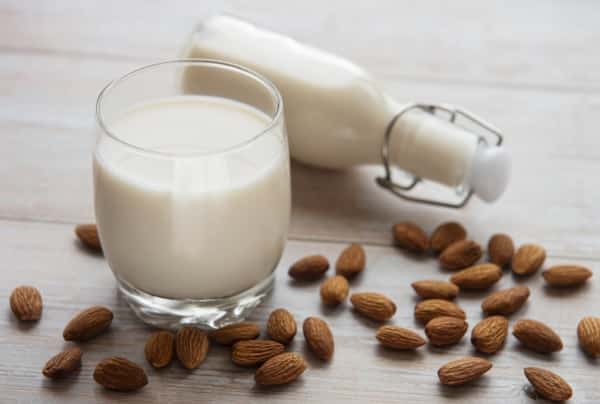
Almond milk has become increasingly popular as a versatile and dairy-free alternative to cow’s milk. One of the key nutrients in almonds is Vitamin E, a powerful antioxidant with anti-inflammatory properties. Vitamin E works by neutralizing free radicals in the body, reducing inflammation and the risk of chronic diseases.
Making almond milk at home is surprisingly easy. Soak almonds overnight, blend them with water, and strain them to get fresh almond milk. The homemade version is free from additives and preservatives, making it a healthier option. Whether used in smoothies, cereals, or on its own, almond milk is a tasty way to combat inflammation.
Anti-Inflammatory Juice Blend
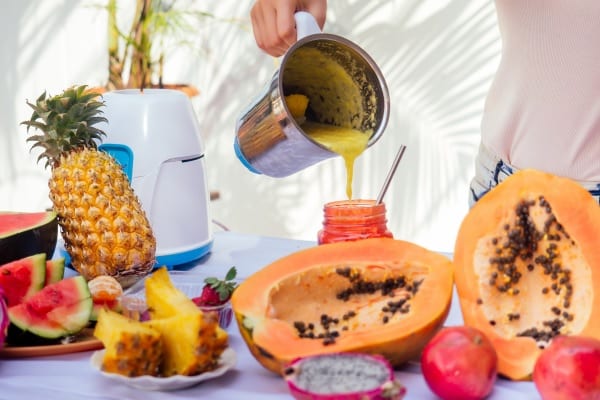
Sometimes, the more, the merrier. This holds for anti-inflammatory drinks as well. Combining multiple ingredients with anti-inflammatory properties can result in a powerful blend that offers a range of health benefits. Ingredients like pineapple, carrot, and celery bring unique nutrients, making for a comprehensive anti-inflammatory remedy.
To make an anti-inflammatory juice blend, simply juice pineapple chunks, carrots, and celery stalks together. Pineapple contains bromelain, an enzyme with anti-inflammatory effects, while carrots offer beta-carotene and celery provides apigenin, both known for their anti-inflammatory properties. This juice blend is a riot of colors and a powerhouse of nutrients that can help keep inflammation at bay.
The Bottom Line
Inflammation is a complex biological response that can have both short-term and long-term effects on the body. While medications and treatments are available, dietary choices are crucial in managing inflammation effectively. The drinks discussed in this blog post—green tea, berry smoothies, turmeric latte, ginger tea, beetroot juice, kefir, almond milk, and anti-inflammatory juice blends—offer a natural and delicious way to combat inflammation. Incorporating these beverages into a balanced diet can go a long way in promoting overall health and well-being. So the next time you reach for a drink, make it one that not only quenches your thirst but also fights inflammation from within.