

Ever wondered why your hair feels dry, brittle, or too oily? It might be more than just a bad hair day; it could be a sign of your overall health. Your hair serves as a mirror reflecting your well-being, from nutritional deficiencies to hormonal imbalances. Understanding these signs can be crucial for early detection of health issues, offering you a chance to take corrective measures before it’s too late. In this comprehensive guide, you’ll discover the different ways your hair shows your health and how to interpret these signs effectively.
The Anatomy Of Your Hair

The hair strand is more than just a simple fiber; it’s a complex structure made up of multiple layers. The outer layer, known as the cuticle, protects the inner layers called the cortex and the medulla. These inner layers are responsible for the hair’s strength, color, and texture. Understanding the anatomy of hair is the first step in recognizing what changes in your hair might signify about your health.
Hair doesn’t just sprout fully formed; it goes through a growth cycle that includes phases of growth, rest, and shedding. This cycle is influenced by various factors such as age, nutrition, and overall health. Any disruptions in this cycle could be an early warning sign of underlying health issues. Therefore, a basic understanding of hair anatomy and its growth cycle can serve as a foundational knowledge base for interpreting changes in your hair’s health.
Nutritional Deficiencies And Hair Health
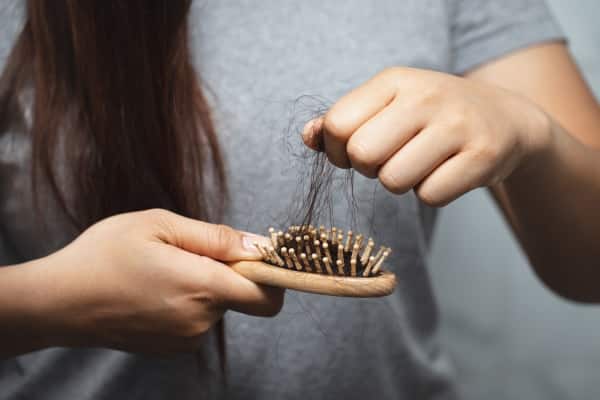
Nutrients play a vital role in maintaining not just your health but also the health of your hair. A lack of essential vitamins and minerals can lead to various hair problems, such as hair loss, thinning, and a lackluster appearance. For instance, a deficiency in biotin or iron can result in significant hair loss, while a lack of zinc might lead to dandruff or a dry, flaky scalp.
To maintain luscious locks, it’s crucial to include a balanced diet rich in essential nutrients. Foods high in biotin, iron, and zinc, among others, can contribute to a healthy scalp and vibrant hair. If you’re experiencing hair issues, it might be worthwhile to examine your diet and consider whether a nutritional deficiency could be the culprit.
Hormonal Imbalances And Their Impact
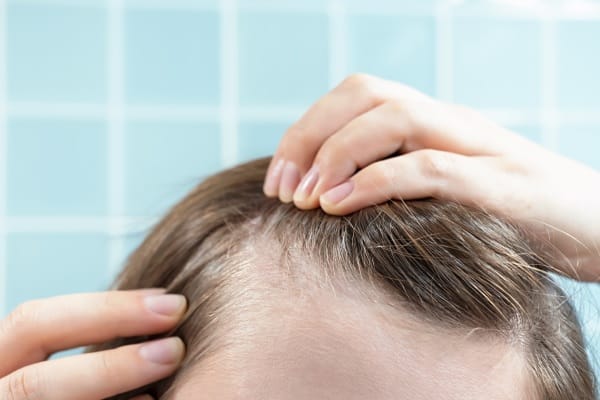
Hormones are chemical messengers that regulate various bodily functions, including hair growth. An imbalance in hormones like estrogen, testosterone, and thyroid hormones can have a significant impact on your hair’s health. For example, an overactive or underactive thyroid can lead to hair thinning or even hair loss. Similarly, hormonal changes during pregnancy or menopause can also affect the texture and growth rate of your hair.
Both men and women can experience hair issues due to hormonal imbalances. For instance, an excess of testosterone can lead to male-pattern baldness, while a lack of estrogen in women can result in hair thinning. Understanding the role of hormones in hair health can help you take appropriate measures to balance them, either through lifestyle changes or medical intervention.