

mRNA Technology: A New Frontier In Treatment

mRNA technology is not just a buzzword; it’s a groundbreaking approach that has already revolutionized vaccine development. Unlike traditional vaccines that use weakened or dead viruses, mRNA vaccines instruct the body to produce spike proteins, triggering a protective response against viruses. The implications of this technology are vast, extending beyond infectious diseases to potential treatments for cancer, inherited genetic disorders, and even cardiovascular diseases.
The benefits of mRNA technology are immense, but it’s not without its challenges. For instance, the technology is still relatively new, and long-term effects are not yet fully understood. However, the promise it holds for treating a wide array of conditions makes it a trend worth watching. As healthcare continues to evolve, mRNA technology is likely to play a significant role, especially when combined with other emerging trends like personalized medicine and AI.
Telehealth: The New Normal in Healthcare Delivery
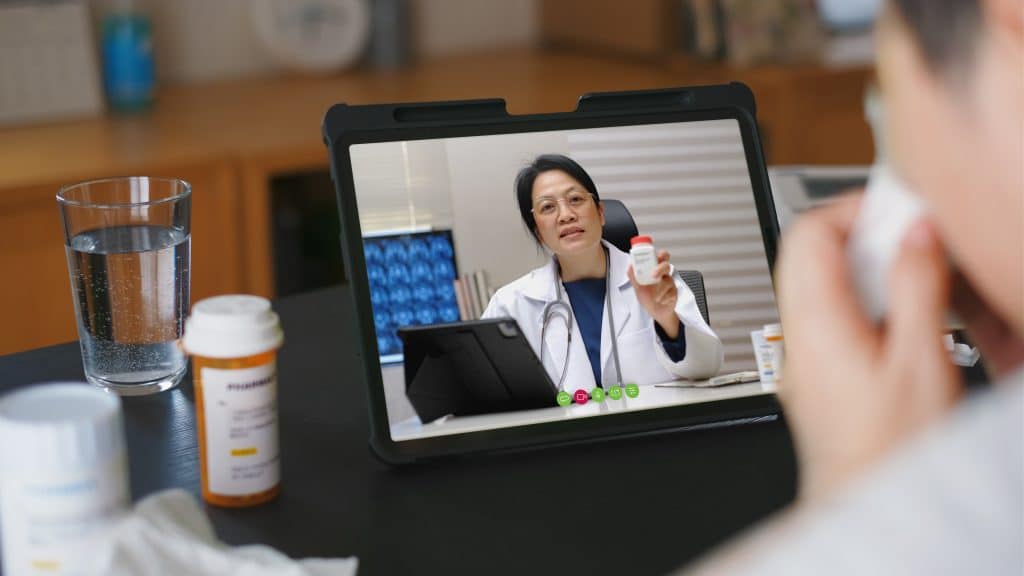
Telehealth has seen an unprecedented surge in popularity, especially in the wake of the COVID-19 pandemic. This technology-empowered system of healthcare delivery offers numerous benefits, from increased accessibility to reduced healthcare costs. However, it’s not without its drawbacks. One of the most commonly cited challenges is the lack of in-person connection, which many healthcare providers are keen to address.
Looking ahead, telehealth is poised to become even more integrated into healthcare systems. Innovations like virtual reality consultations and AI-powered diagnostics are underway to improve the patient experience. As these technologies become more advanced, they will likely work in synergy with telehealth platforms, offering a more comprehensive and efficient approach to healthcare delivery.
Predictive Healthcare Analytics

Predictive healthcare analytics is another emerging trend that’s set to make a significant impact. By leveraging big data and machine learning algorithms, predictive analytics can forecast outbreaks, patient admissions, and other important metrics. This kind of forecasting is invaluable for healthcare providers, allowing for better resource allocation and more effective treatment plans.
The technology behind predictive analytics is complex but increasingly accessible. As machine learning algorithms become more sophisticated, the accuracy of predictions is likely to improve. This will enable healthcare providers to make more informed decisions, ultimately leading to better patient outcomes. As with other trends discussed, predictive analytics will likely integrate with existing technologies like AI and biomarkers, contributing to a more interconnected and efficient healthcare ecosystem.
Integrating Mental Health Into Primary Care

The integration of mental health services into primary care settings is an emerging trend that’s gaining traction. Traditionally, mental health has been treated separately from physical health, often requiring patients to seek specialized care. However, the lines between physical and mental well-being are increasingly being recognized as blurred, leading to a more holistic approach to healthcare. This integration aims to provide a one-stop solution for patients, addressing both their physical and mental health needs in a single setting.
The benefits of this integrated approach are manifold. For starters, it reduces the stigma often associated with seeking mental health treatment. Patients can discuss their mental health concerns in the same space where they consult about physical ailments, making the process less daunting. Moreover, this approach allows for better coordination of care. Physicians can have a more comprehensive view of their patient’s health, leading to more accurate diagnoses and more effective treatment plans.
The Future Of Healthcare Is Now!
The healthcare landscape is undergoing a seismic shift driven by technological innovation and a focus on personalized care. While this post has explored eight key trends, the reality is that they are interconnected, each influencing and amplifying the others. As the world moves into 2024, these trends offer not just a glimpse but a roadmap to a future where healthcare is more efficient, personalized, and accessible. Stay informed, stay adaptable, and look forward to a new era of healthcare!