Problems With Your Senses

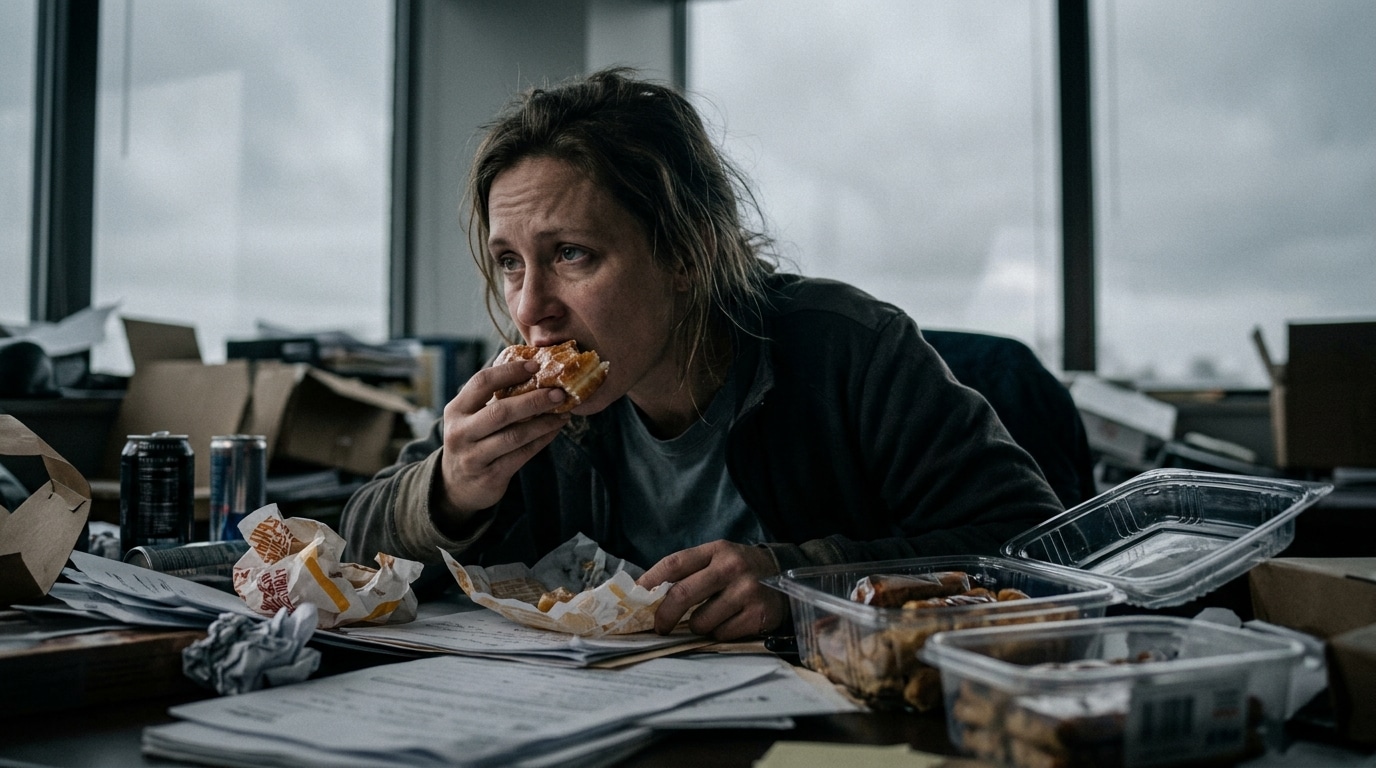
Brain injuries can also harm your senses, which are typically affected more than any other faculties. While visual disturbances, such as blurred vision or headaches, are common after a brain injury, many people will also experience changes in their hearing and taste. Balance problems and dizziness, caused by disrupting the inner ear’s connection with the brain, might also occur. Similarly, problems with the sense of smell can arise due to damage to specific areas of the brain responsible for interpreting smells and their intensity.
Finally, disruptions in our sense of touch usually result from nerve damage anywhere within the body’s pathways associated with sensation. All these can profoundly alter a person’s quality of life. Individuals who experience changes in their senses following a brain injury must receive proper medical attention to assess and manage these symptoms.
Trouble With Reading And Writing

Another potential problem those with a brain injury may experience its effects on an individual’s ability to read and write and distractibility. A person with a brain injury may show symptoms such as difficulty comprehending what they’ve read, struggling to articulate thoughts while writing or speaking, difficulty forming sentences, difficulty organizing thoughts into a logical order, or having a hard time recalling vocabulary words. All these reading and writing skills can be impacted if there is significant damage to the brain’s cognitive processes.
Furthermore, the injury may cause distractions that interrupt the flow of thoughts while reading or writing, causing them to lose their train of thought and have difficulty finishing sentences. This can range from minor setbacks to significant difficulties, depending on the severity of the injury.
Struggling To Regulate Emotions
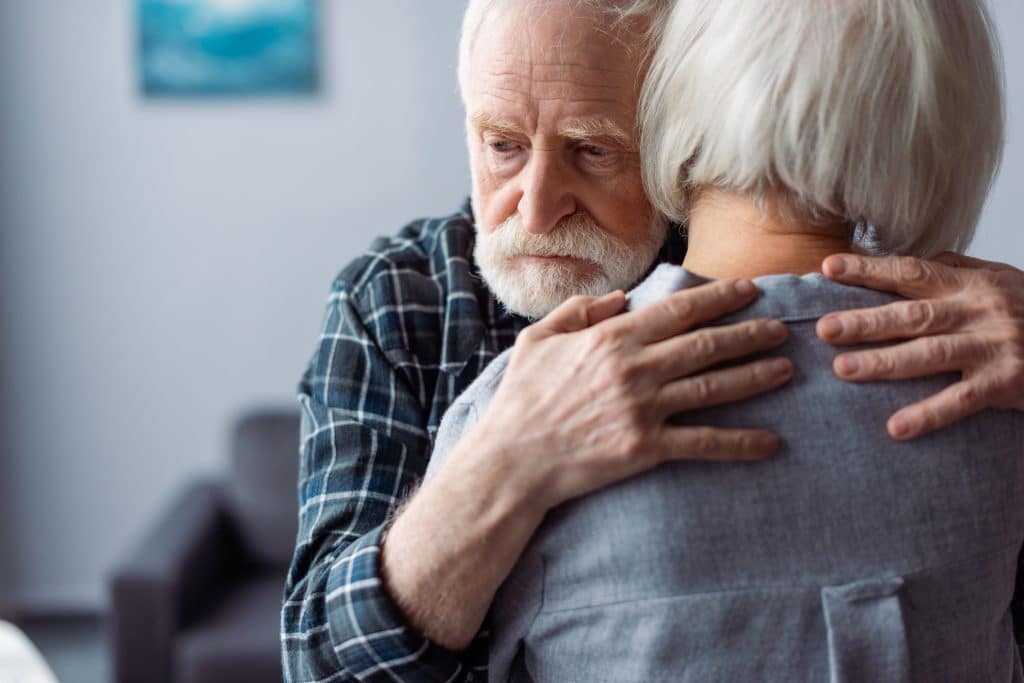
Along with the impact on your ability to read and write, brain injuries may have a devastating effect on an individual’s mental health, with regulating emotions being one of the common struggles. After experiencing a traumatic brain injury, such as hitting your head against a hard surface or from a stroke and infection, it can be challenging for someone to effectively control their feelings and reactions.
When a brain injury damages the areas of the brain associated with reasoning, it can cause neuropsychological difficulties in managing emotions. Sufferers of these effects may face greater challenges in managing their behavior – leading to frustration and moodiness. There is help available; the right dedicated medical assistance, along with support from family and friends, can provide comfort and help in learning to master emotion regulation.
Hormonal Imbalances

When the brain suffers trauma, it may be unable to properly regulate the endocrine system, which controls hormone production. This disruption of hormone levels can cause severe symptoms that vary between individuals but generally include extreme fatigue, depression, irritability, fearfulness, and difficulty concentrating. While these hormones are essential regulators of our mood and behavior, an imbalance in any one of them can disrupt mental health and induce various negative behaviors.
Stress is especially damaging and a common result of brain injury, as it is often found to have hormonally destructive effects on both men and women. And unfortunately, a hormonal imbalance can also create physical symptoms, such as weight gain or loss, hair loss, and reduced sex drive. These symptoms can vary greatly between individuals, but with the proper treatment and support, these imbalances can be managed and symptoms significantly reduced.
It’s Possible To Limit How Brain Injury Can Affect Your Life!
Understanding how a brain injury can affect your life is vital for everyone who experiences one. Whether you are dealing with difficulties reading, writing, or regulating your emotions and hormones, you must seek the help of medical professionals to manage these symptoms and regain control of your life.
With the proper support and understanding from friends, family, and loved ones, it’s possible to overcome these challenges and live a happy and fulfilling life. So if you or someone you know is struggling with the effects of a brain injury, it’s important to remember that there is help available and there is hope for recovery.