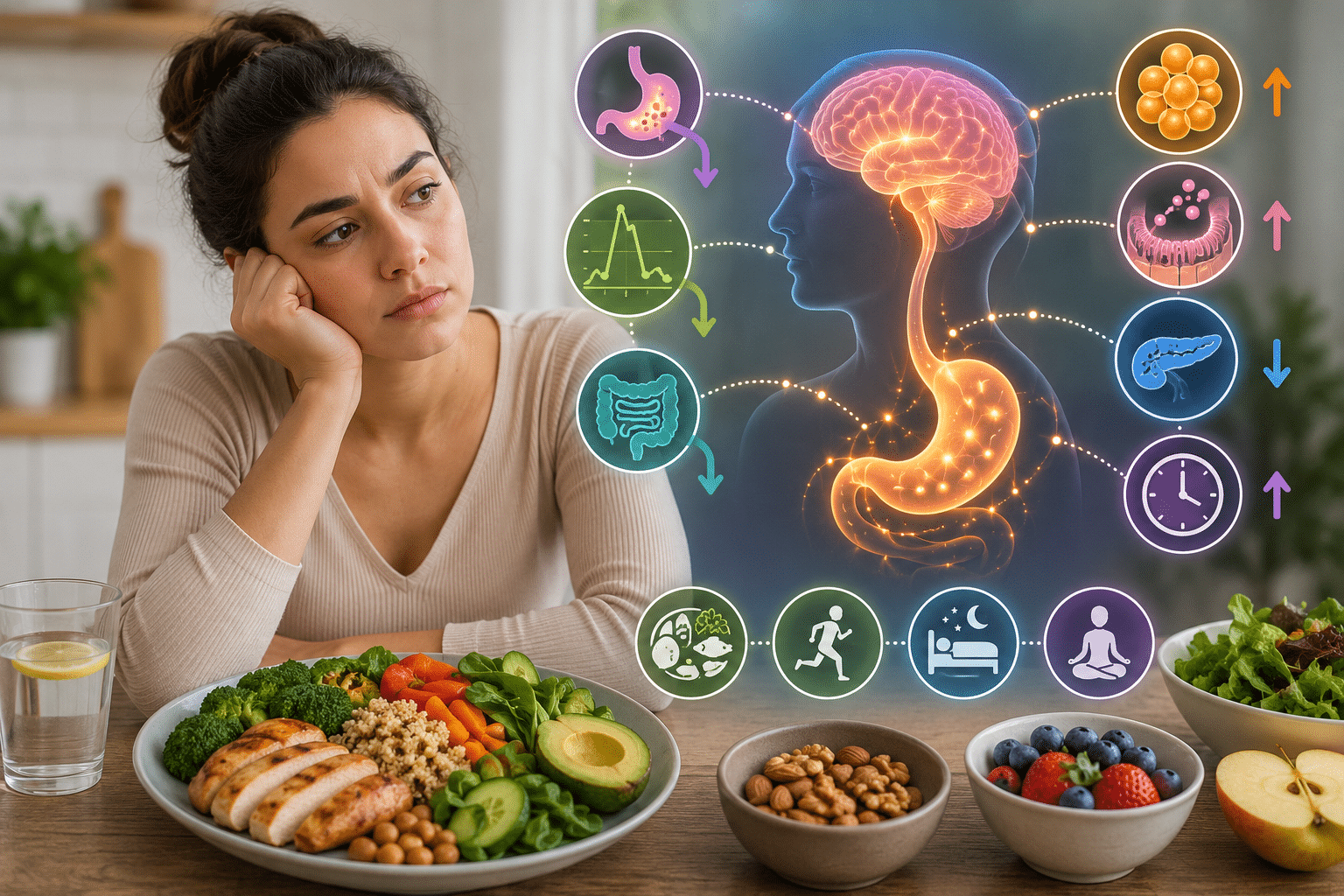
Regulating blood sugar levels is essential for maintaining optimal health, particularly for individuals managing diabetes or pre-diabetes. Stable blood glucose helps prevent long-term health complications such as neuropathy and cardiovascular diseases. The foods you eat play a critical role in this regulation, offering a natural way to control glucose levels. Understanding which foods to include in your diet can make a significant difference in your overall health and well-being.
The Role of Fiber in Blood Sugar Control
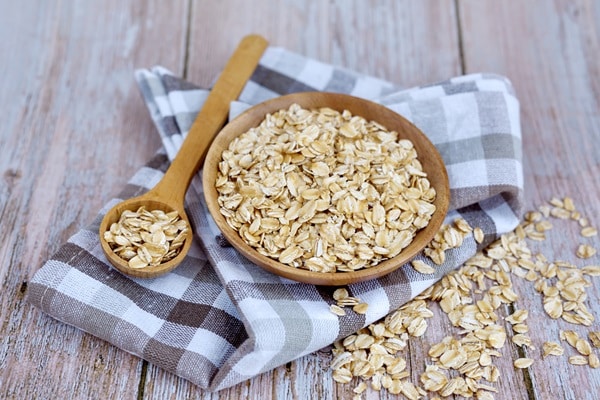
Fiber is a powerhouse when it comes to slowing down the absorption of sugar into the bloodstream, which helps prevent sudden spikes in blood sugar levels. Soluble fiber, in particular, forms a gel-like substance in the gut that binds with sugar and slows its absorption. Foods rich in soluble fiber, like oats and beans, are thus excellent choices for those looking to manage their blood sugar. Including these in your diet can be a strategic step toward better blood sugar control.
In addition to its effects on blood sugar, fiber aids in overall digestive health and helps maintain a feeling of fullness, which can prevent overeating. This is particularly beneficial for weight management, another crucial aspect of controlling diabetes. By integrating a variety of fiber-rich foods into your meals, such as fruits, vegetables, and whole grains, you can enjoy these benefits. It’s easy to start with small changes, like opting for whole wheat bread instead of white, to increase your fiber intake.
The Importance of Whole Grains
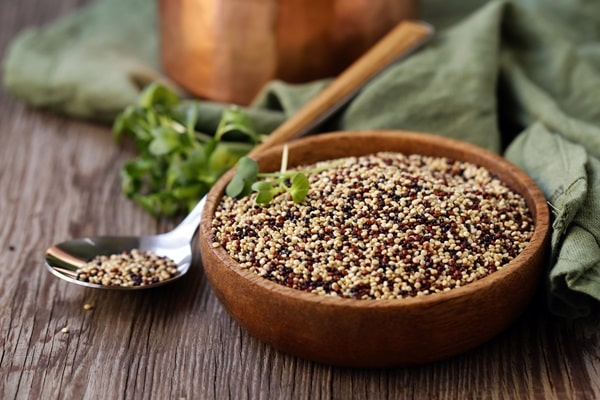
Whole grains are integral to a blood sugar-friendly diet because they digest more slowly than refined grains, leading to more gradual rises in blood sugar levels. Unlike refined grains, which have been stripped of valuable nutrients during processing, whole grains retain their bran and germ. This means they provide more fiber, vitamins, and minerals, which are beneficial for blood sugar management. Foods like quinoa, whole oats, and brown rice are great options to incorporate into your diet.
The benefits of whole grains extend beyond just blood sugar control; they also contribute to heart health and reduce the risk of chronic diseases. Regular consumption of whole grains can help you maintain consistent energy levels throughout the day. To make the transition to whole grains easier, you can start by mixing whole grains with refined grains, gradually increasing the proportion of whole grains until your meals are fully transformed.
Proteins and Blood Sugar Stabilization

Protein plays a vital role in stabilizing blood sugar levels by slowing the absorption of carbohydrates during digestion. This leads to a more gradual increase in blood sugar rather than a spike. Incorporating a good source of protein in each meal can help manage hunger and maintain stable blood glucose levels. Foods like chicken, fish, tofu, and legumes are excellent choices that provide high-quality protein.
Moreover, protein has a minimal impact on blood sugar levels compared to carbohydrates. It promotes satiety, which can help control appetite and prevent overeating—key for maintaining a healthy weight. Experimenting with different sources of protein can keep meals interesting and nutritious. For instance, adding lentils or chickpeas to a salad not only boosts the protein content but also adds texture and flavor.