Blood tests are an essential tool in modern healthcare, offering a window into the intricate workings of the human body. These tests provide invaluable insights into one’s overall health and are critical for the early detection and management of diseases. Understanding why regular blood testing is crucial can empower individuals to take proactive steps towards maintaining their health. This post delves into various compelling reasons to consider regular blood testing, each highlighting a unique aspect of how these tests contribute to comprehensive health management.
Understanding Your Health Baseline

Blood tests serve as a fundamental tool in establishing an individual’s health baseline. By determining key markers such as blood cell counts, glucose levels, and cholesterol, healthcare professionals gain a comprehensive overview of a person’s general health. This baseline is crucial for future reference, as any deviations from it can be a sign of emerging health issues. Regular blood testing ensures that any such changes are detected early, allowing for timely intervention.
The significance of understanding one’s normal blood values cannot be overstated. It forms the foundation for detecting subtle shifts that might indicate the onset of health problems. For example, minor changes in blood sugar levels could signal the beginning of insulin resistance, a precursor to diabetes. By monitoring these levels regularly, potential health issues can be addressed before they develop into more serious conditions.
Early Detection Of Diseases
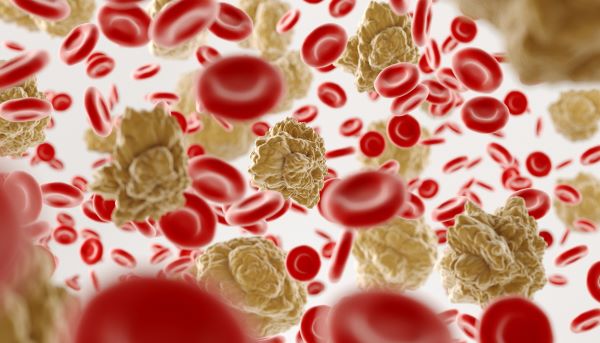
One of the most significant advantages of blood testing is the early detection of diseases. Diseases such as diabetes, imbalances in cholesterol, and dysfunction in organs like the kidneys or liver can often be identified through routine blood tests before symptoms even appear. This early detection is vital, as it allows for the initiation of treatment at a stage when the disease is most manageable, often resulting in better health outcomes.
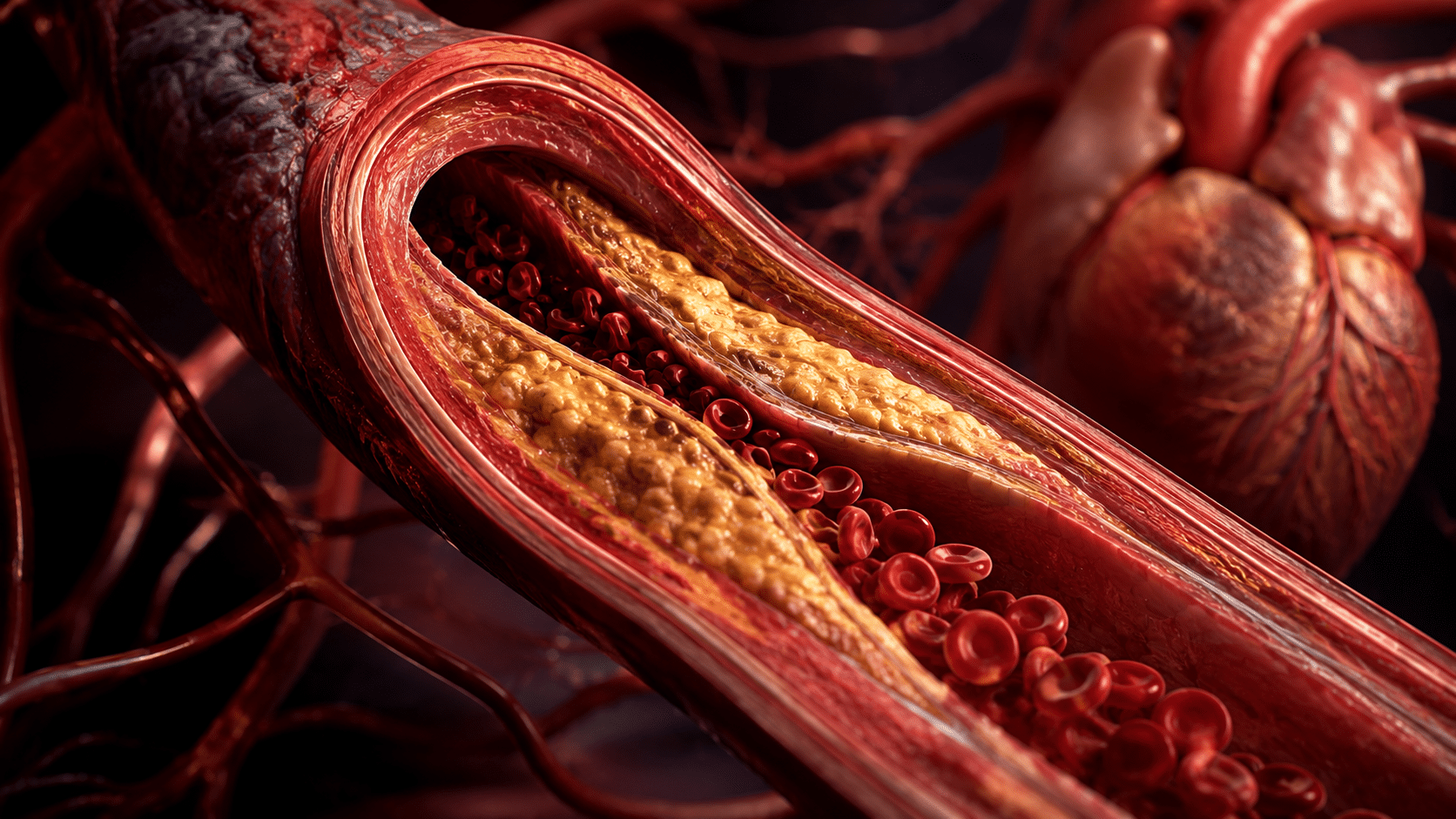
Illustrating this point, consider the case of cholesterol testing. High cholesterol levels, a major risk factor for heart disease, often present no symptoms. Regular blood testing can uncover elevated cholesterol levels, enabling individuals to make lifestyle changes or start medications to reduce their risk of heart disease. Similarly, early detection of conditions like diabetes can lead to immediate lifestyle interventions, significantly improving one’s quality of life and reducing the risk of complications.
Monitoring Chronic Conditions

For individuals living with chronic conditions, such as hypertension or heart disease, regular blood testing is a cornerstone of effective management. These tests provide critical data that guide healthcare professionals in adjusting treatments and medications to achieve the best possible control over the condition. This ongoing monitoring is crucial for maintaining optimal health and preventing complications.
For instance, in managing diabetes, regular blood sugar monitoring is essential. It helps in fine-tuning insulin doses and dietary choices. Similarly, for those with kidney diseases, blood tests that monitor electrolyte levels and kidney function are vital in adjusting medications and dietary restrictions. This tailored approach ensures that each individual receives care that is specific to their needs, enhancing the effectiveness of treatment and improving overall health outcomes.