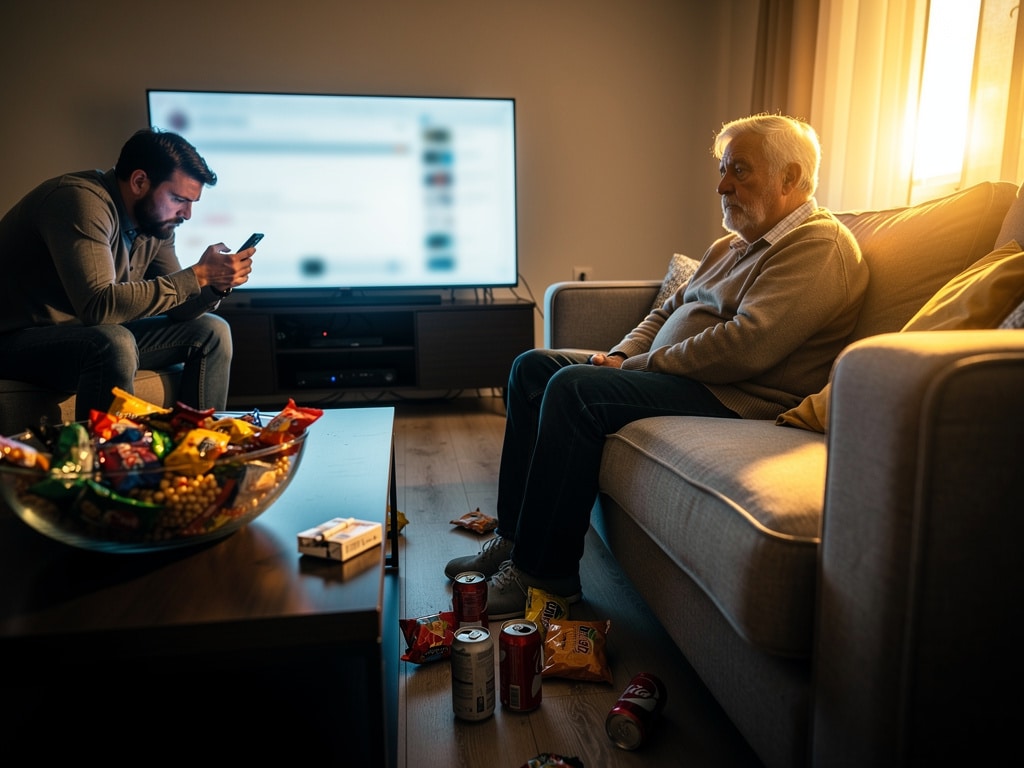

Maintaining clean indoor air cannot be overstated in today’s world, where air quality is increasingly compromised due to pollution and other environmental factors. Air purifiers have emerged as essential tools in this battle, offering a way to filter pollutants, allergens, and pathogens from our living spaces. However, with the vast array of options, choosing the right air purifier can feel like navigating a complex labyrinth. From understanding different filter technologies to matching a purifier to specific needs, this guide aims to simplify the process.
Understanding Air Purifiers
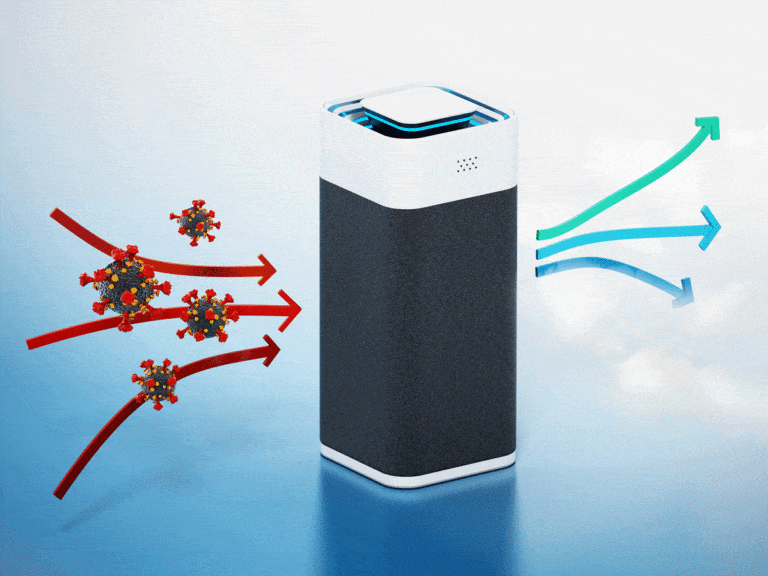
Air purifiers are not a one-size-fits-all solution; their effectiveness is largely determined by their technology and their utilization within indoor spaces. The most common types include HEPA filters, known for capturing fine particulate matter, and activated carbon filters, which effectively remove odors and gases. UV light and ionic purifiers offer additional means of cleaning the air, targeting germs, bacteria, and viruses. Understanding these technologies is the first step in choosing the right air purifier, as each type serves different purification purposes.
The mechanism of air purifiers is another critical aspect to consider. A cleaner’s ability to circulate and filter air within a room is pivotal to its performance. Factors such as the air change rate per hour (ACH) and the clean air delivery rate (CADR) provide valuable information on how efficiently a purifier can clean the air in a given space. These metrics, combined with the type of filter used, paint a clearer picture of what to expect from an air purifier, aiding consumers in selecting a model that meets their specific air quality needs.
Assessing Your Needs
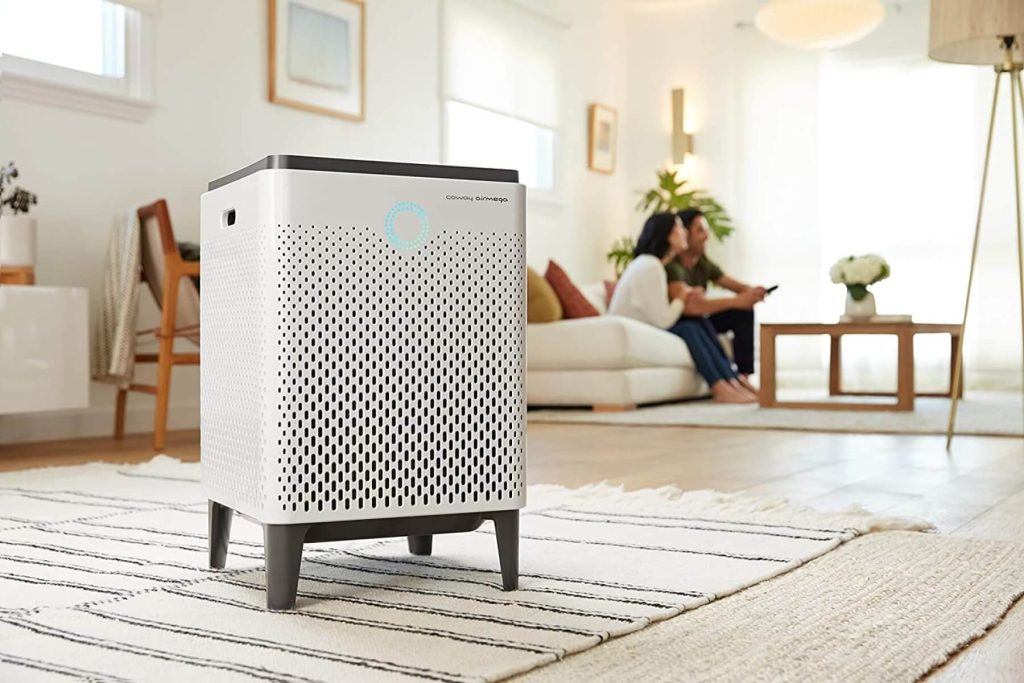
Before diving into the vast market of air purifiers, it’s essential to assess your specific needs. Consider the room size where the purifier will be used, as different models are designed to cover various square footage efficiently. A cleaner’s CADR rating can help gauge its effectiveness in a particular space, ensuring the device can handle the air requiring purification. This step is crucial for enhancing air quality in larger areas, such as living rooms or open-concept spaces.
Individuals with specific health concerns, such as allergies, asthma, or sensitivities to smoke and chemicals should pay particular attention to the types of filters in potential air purifier choices. HEPA filters, for example, are highly effective at capturing allergens and particulate matter, making them an excellent choice for allergy sufferers. On the other hand, those dealing with smoke or odors might find activated carbon filters more beneficial. Identifying your home’s primary air quality challenges will guide you toward an air purifier equipped to address those specific issues.
Key Features to Consider
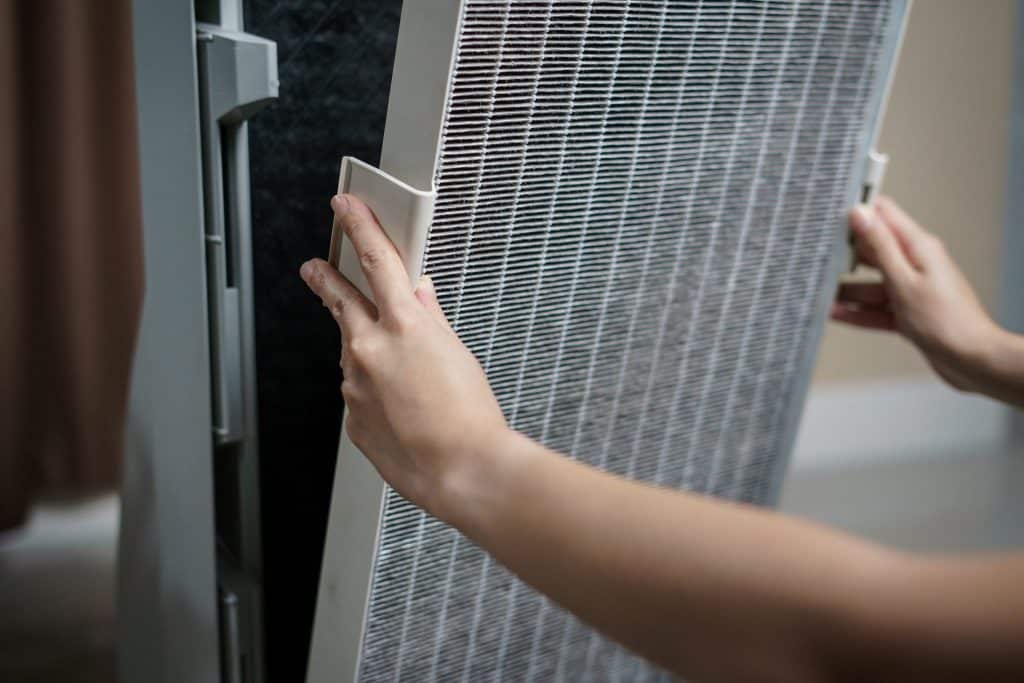
When selecting an air purifier, several key features should be considered to ensure you choose a model that suits your needs and preferences. The type of filter and its lifespan are significant factors, as these affect not only the cleaner’s performance but also the maintenance it will require over time. HEPA filters, while effective, need regular replacement to maintain their efficiency, which can add to the long-term cost of the air purifier.
Noise level is another important consideration, especially for devices in bedrooms or quiet spaces. Some air purifiers operate more quietly than others, making them more suitable for noise-sensitive environments. Energy efficiency should also be on your checklist, as it impacts the cleaner’s operational cost. Opting for a model with an Energy Star rating can lead to savings on electricity bills, making it a cost-effective choice in the long run.