

Nutritional And Vitamin Assessment

Blood tests are invaluable in assessing nutritional status, revealing deficiencies or excesses in vital nutrients such as iron, vitamin D, or vitamin B12. These nutrients play crucial roles in bodily functions, and imbalances can significantly impact overall health. For instance, low iron levels can lead to anemia, characterized by fatigue and weakness, while vitamin D deficiency is linked to bone health issues. Blood tests provide precise measurements, guiding dietary changes or supplement intake for optimal health.
Understanding nutritional needs through blood testing is especially important for individuals with specific dietary restrictions or health conditions. For example, vegetarians or vegans might be at a higher risk of certain deficiencies like B12, which is predominantly found in animal products. Similarly, individuals with chronic conditions such as celiac disease or Crohn’s disease might face challenges in nutrient absorption. Regular blood testing helps in tailoring nutrition plans to meet individual needs, ensuring that all necessary nutrients are adequately consumed.
Checking For Infection And Immune System Health
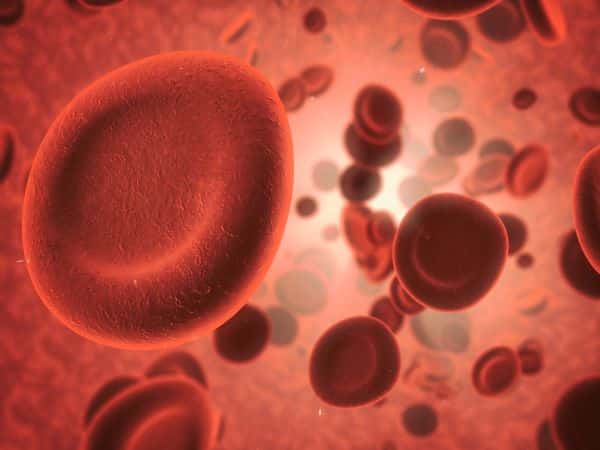
Blood tests play a critical role in diagnosing infections and evaluating the immune system’s health. By measuring markers such as white blood cell count and specific antibodies, these tests can confirm or rule out various infections. Additionally, they are essential in monitoring the immune response, particularly in individuals who are immunocompromised, such as those undergoing chemotherapy or living with HIV/AIDS.
The ability to identify infections early through blood testing is crucial in determining the appropriate course of treatment. For example, a spike in white blood cell count often signals an infection, prompting further investigation and timely intervention. Moreover, in the case of chronic or recurrent infections, blood tests can provide insights into potential underlying issues with the immune system, guiding further diagnostic and therapeutic procedures.
Hormonal Imbalance Detection

Blood testing is a key method for detecting hormonal imbalances, which can affect various bodily functions. Hormones like thyroid, estrogen, testosterone, and cortisol play significant roles in overall health, and imbalances can lead to conditions like thyroid disorders, fertility issues, or adrenal dysfunction. Blood tests measure the levels of these hormones, providing critical information for diagnosis and treatment.
Understanding hormonal health is particularly important for individuals experiencing symptoms like fatigue, weight changes, or mood fluctuations. For instance, an underactive thyroid can lead to symptoms like weight gain and depression, while high cortisol levels might indicate chronic stress or an adrenal gland disorder. Blood tests offer a clear picture of hormonal health, aiding in the development of targeted treatment plans to restore balance and improve quality of life.
Preventative Health Care

Emphasizing preventative health care, regular blood testing plays a pivotal role in avoiding the development of serious health conditions. By identifying risk factors such as high cholesterol or prediabetes early, individuals can take proactive steps to mitigate these risks. This approach not only helps in maintaining good health but also reduces the likelihood of needing more intensive medical interventions in the future.
The long-term benefits of preventative health care through regular blood testing are significant. Early intervention based on blood test results can lead to lifestyle changes and treatments that prevent diseases from developing or progressing. This proactive approach is not only beneficial for individual health but also cost-effective in the long run, potentially reducing the need for expensive treatments and hospitalizations.
The Bottom Line
Regular blood testing is an indispensable tool in maintaining health and wellbeing. It offers a detailed understanding of one’s health status, aids in the early detection of diseases, supports the management of chronic conditions, and guides nutritional and hormonal balance. Blood tests also play a critical role in preventative health care, helping individuals avoid serious health issues. It is recommended to consult healthcare professionals regularly for blood tests, ensuring that any health issues are identified and addressed promptly. This proactive approach to health can lead to a longer, healthier life, emphasizing the importance of regular blood testing in modern healthcare.