Contents
How Sugar Influences Hormonal Balance
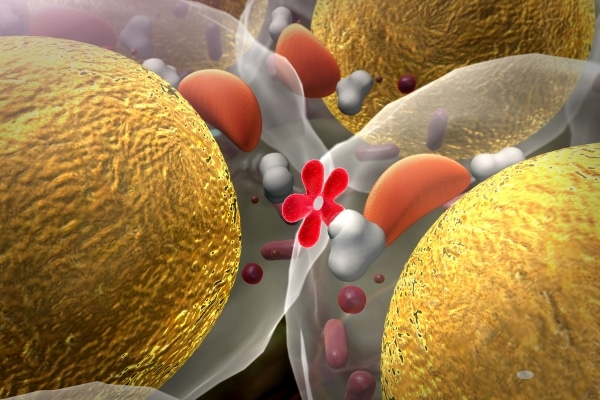
Sugar has a profound impact on the body’s hormonal balance, influencing everything from insulin to reproductive hormones like estrogen. High sugar intake can lead to insulin resistance, which in turn causes the body to produce more insulin and related hormones. These hormones are not only regulators of metabolism but can also play a direct role in the development of certain types of cancer. For example, high insulin levels are associated with an increased risk of colon cancer. Understanding these hormonal pathways highlights another dimension through which sugar can influence cancer risk.
Moreover, sugar can affect the body’s levels of estrogen, a hormone linked to breast and ovarian cancers. Diets high in sugary foods and drinks can lead to spikes in certain hormones, exacerbating or even initiating hormone-sensitive cancers. This effect is particularly concerning in postmenopausal women who may already be managing hormone levels for health reasons. The manipulation of hormonal levels through diet is a critical area for further research and public education to reduce cancer risks associated with dietary choices.
The Role of Sugar in Feeding Cancer Cells
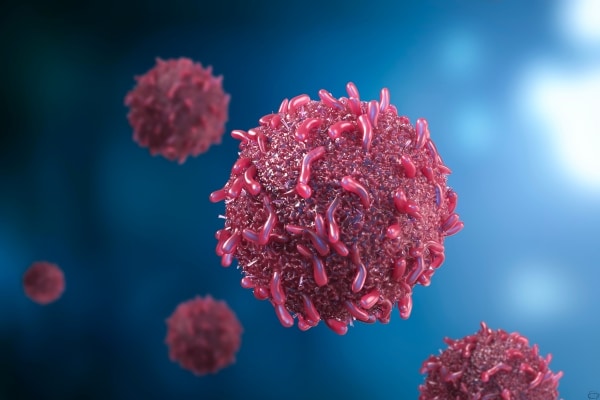
The idea that sugar could “feed” cancer cells stems from observations that cancer cells consume sugar at a faster rate than normal cells, a phenomenon known as the Warburg effect. This discovery has led to ongoing research into how diet, specifically sugar intake, could influence cancer growth. While not all cancers respond the same way, this connection suggests that moderating sugar intake could be a beneficial strategy in slowing cancer progression in susceptible individuals. The relationship between sugar consumption and cancer cell metabolism is a critical area of study in oncology.
Controversy still exists regarding the extent to which dietary sugar influences cancer growth directly. While some studies suggest a strong link, others indicate that the connection might be more related to indirect effects, such as obesity and increased overall inflammation. Regardless, reducing sugar intake is considered a prudent approach in cancer prevention strategies. It’s crucial for ongoing studies to clarify these connections, as understanding the precise role of sugar in cancer can help guide dietary recommendations and public health policies.
Reducing Sugar Intake: Practical Tips

Reducing sugar intake doesn’t require a complete dietary overhaul but rather mindful modifications and smarter choices. Start by reading nutritional labels to identify hidden sugars in packaged foods—anything ending in ‘-ose,’ such as fructose or sucrose, is a sugar. Opting for whole, unprocessed foods can drastically cut down on unintended sugar consumption. Beverages, particularly soft drinks, fruit juices, and specialty coffees, are some of the most significant sources of added sugars and are an easy target for reduction.
For those looking to replace sugar without sacrificing sweetness, there are several alternatives. Natural sweeteners like stevia, erythritol, and xylitol offer sweetness without the same caloric intake or blood sugar impact. However, it’s important to use these substitutes in moderation as well, as their long-term effects are still being studied. Encouragingly, making these small but significant changes in dietary habits can have profound health benefits, reducing not only the risk of cancer but also other sugar-related diseases like diabetes and heart disease.
The Sweet Benefits of Eating Less Sugar
Reducing sugar intake is more than a dietary preference; it’s a proactive measure for long-term health and cancer prevention. As you’ve seen, sugar impacts your body’s metabolic processes, hormonal balance, and even cancer cell dynamics. By making informed choices and adopting healthier habits, you can mitigate these risks. While the research continues to evolve, the message remains clear: mindful eating contributes significantly to your overall well-being and longevity.