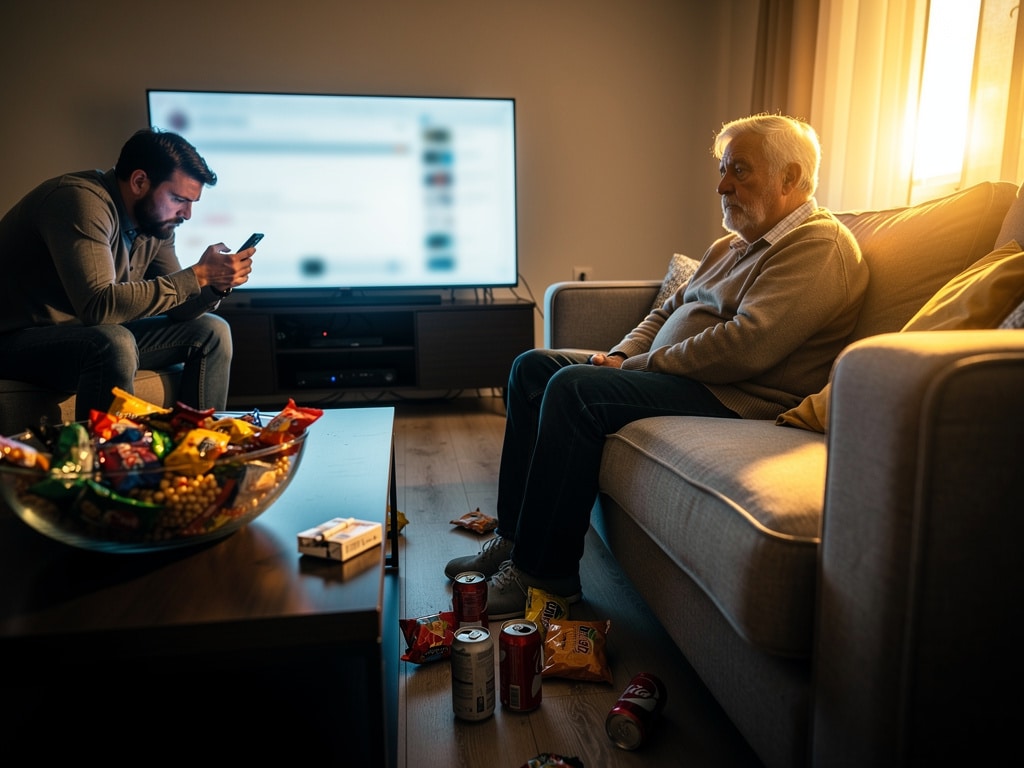

The Role Of Eye Exams In Preventive Health

Eye exams are also a critical component of preventive health care for seniors. These exams do more than just assess vision; they can also be a window into one’s overall health. Eye doctors can detect signs of systemic diseases such as diabetes and hypertension during a routine eye exam, often before other symptoms are apparent.
This early detection is vital for managing these conditions effectively and can prevent more serious complications. Furthermore, regular eye exams ensure that any changes in vision are addressed promptly, allowing for adjustments in eyeglasses or contact lens prescriptions. This proactive approach to eye care helps maintain good vision and contributes to a higher quality of life, enabling seniors to continue enjoying their daily activities with minimal disruption.
Barriers To Regular Eye Care
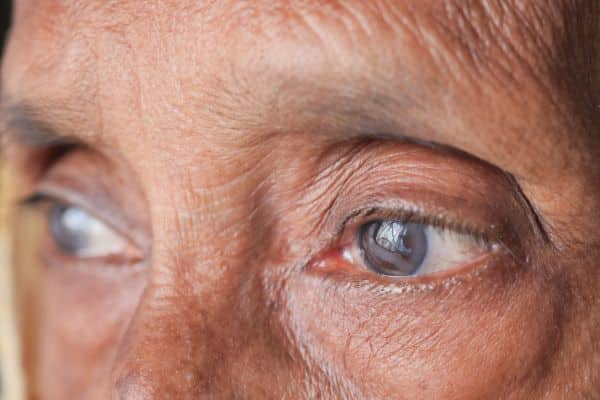
Despite the importance of regular eye exams, several barriers can prevent seniors from receiving the eye care they need. Cost is a significant factor, as many seniors live on fixed incomes and may find the expense of eye care challenging to manage. Mobility issues can also make it difficult for seniors to travel to appointments, especially for those who no longer drive or live in areas with limited public transportation options.
Additionally, a lack of awareness about the importance of eye health and regular exams can lead to neglect in this area of healthcare. Overcoming these barriers is crucial to ensure seniors have access to the eye care they need. Solutions such as mobile eye clinics, community-based programs, and increased education about eye health can play a significant role in addressing these challenges.
Technological Advancements In Eye Care
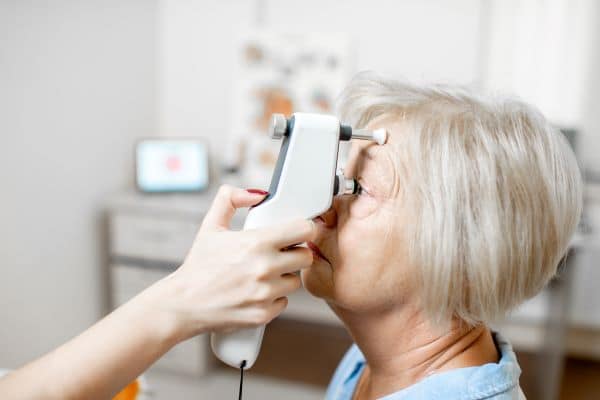
The field of eye care has dramatically benefited from technological advancements, particularly for seniors. Innovations like telemedicine facilitate remote consultations, making eye care more accessible for those with mobility issues. Advanced imaging techniques provide detailed views of the eye, aiding in early and accurate diagnosis of conditions. These advancements are not just about convenience; they significantly enhance the effectiveness of eye care.
In addition to diagnostic technologies, treatment methods have also seen remarkable improvements. Modern procedures for conditions like cataracts and AMD are safer, with quicker recovery times. This progress emphasizes the importance of regular eye exams, as early detection can lead to more effective treatment with these advanced methods.
Lifestyle And Eye Health

A healthy lifestyle is a key factor in maintaining good eye health for seniors. Nutritional choices rich in vitamins and antioxidants, such as leafy greens and fish, are beneficial for eye health. Regular exercise can also help reduce the risk of diseases that affect vision. Additionally, avoiding smoking and protecting eyes from UV rays are crucial steps in preserving vision.
Eye health is also supported by regular eye exercises and maintaining proper eye hygiene. Simple practices like taking regular breaks during reading or screen time and ensuring adequate lighting can significantly reduce eye strain. These habits, along with the correct use of prescription eyewear, are important for seniors to maintain optimal eye health.
Secure A Brighter Future Through Eye Health
Regular eye exams are essential for maintaining the eye health of seniors. These exams are crucial for early detection and treatment of eye conditions, and they also offer insights into overall health. Combining technological advancements in eye care, healthy lifestyle choices, and the support of caregivers and family creates a comprehensive approach to maintaining eye health. This holistic view is key to ensuring seniors not only preserve their vision but also enjoy a high quality of life.