Contents
Grains: Not Just For Breakfast
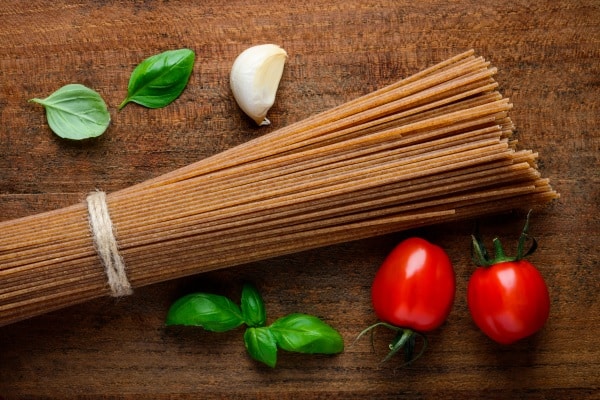
Grains are a staple in many diets, but not all grains contribute equally when it comes to fiber content. Whole grains, as opposed to refined grains, are rich in fiber and other nutrients. Foods like oats, brown rice, and whole-wheat pasta are excellent examples. Oats are particularly noteworthy; they contain a type of soluble fiber called beta-glucan, which has been shown to lower cholesterol levels.
Whole grains are incredibly versatile and can be included in various meals throughout the day. Brown rice can be a hearty addition to lunch or dinner, while whole-wheat pasta offers a more nutritious alternative to its white pasta counterpart. The key is to replace refined grains with whole grains whenever possible, ensuring that you maximize your fiber intake along with other essential nutrients.
Legumes: More Than Just Beans
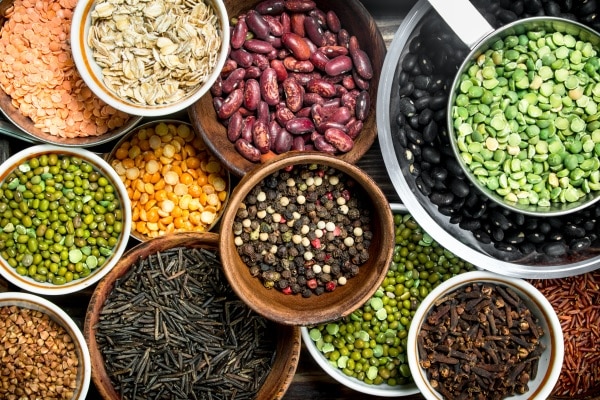
When people think of legumes, beans often come to mind. However, the legume family is diverse, including lentils and chickpeas as well. Lentils are not only a great source of protein but also rich in fiber, making them an excellent choice for plant-based diets. Chickpeas, also known as garbanzo beans, offer a similar nutrient profile and can be used in a variety of dishes, from salads to hummus.
Beans like black beans, kidney beans, and navy beans are fiber powerhouses. A single cup can provide a significant portion of your daily fiber needs. The beauty of legumes is that they are also rich in protein, making them a fantastic option for those looking to balance their macronutrients. Whether you’re a meat-eater or follow a plant-based diet, legumes offer a versatile and nutritious way to meet your fiber goals.
Nuts And Seeds: Small But Mighty

Don’t let their size fool you; nuts and seeds are small but mighty when it comes to fiber content. Almonds, for example, offer a good amount of fiber, healthy fats, and protein. Chia seeds are another excellent source; these tiny seeds can absorb up to 12 times their weight in water, forming a gel-like substance that aids in digestion.
Sunflower seeds and flaxseeds also make the list of fiber-rich nuts and seeds. Sunflower seeds are not only a good source of fiber but also provide essential nutrients like vitamin E and selenium. Flaxseeds are unique in that they contain both soluble and insoluble fiber, offering a range of benefits from heart health to improved digestion. Including a variety of nuts and seeds in your diet can be an easy and convenient way to boost your fiber intake.
Indulgent Foods With A Fiber Kick

Believe it or not, some foods that are considered indulgent also pack a fiber punch. Take dark chocolate, for example; it contains fiber along with antioxidants, making it a treat you can feel good about in moderation. Popcorn is another snack that, when prepared without excessive butter or salt, can be a healthy, fiber-rich option.
Whole-grain bread topped with avocado offers a more savory indulgence that’s also rich in fiber. Avocado itself is a good source of fiber, and when paired with whole-grain bread, it becomes a fiber powerhouse. The key to enjoying indulgent foods while still boosting your fiber intake is to make mindful choices. Opt for dark chocolate over milk chocolate, air-popped popcorn over the butter-laden variety, and whole-grain options whenever possible. This way, you can satisfy your cravings while still doing something good for your body.
Elevate Your Health With Fiber-Focused Choices
Switching to a fiber-rich diet is more than just a nutritional upgrade; it’s an investment in long-term well-being. From heart health to digestive wellness, the benefits are manifold. The best part? Adding fiber to your meals can be as simple as choosing whole grains over refined ones or snacking on nuts instead of chips. Make the commitment to include more fiber-rich foods in your diet, and you’ll soon notice the positive impact on your health!