
Ever wondered why fiber often gets the spotlight in conversations about healthy eating? The answer lies in its multifaceted role in promoting overall well-being. From aiding digestion to supporting heart health and even assisting in weight management, fiber is a nutritional powerhouse. Yet, many people fall short of the recommended daily intake. This post serves as a comprehensive guide to foods rich in fiber, helping you make informed choices for a healthier lifestyle. So, let’s embark on this journey to discover the best foods for adding fiber to your diet.
Why Fiber Matters

Fiber plays a pivotal role in the digestive system, acting as the “sweeper” that helps move food through the digestive tract. It adds bulk to stool, making it easier to pass and thereby preventing constipation. But the benefits don’t stop at digestion. A diet rich in fiber has been linked to lower levels of bad cholesterol, which is a boon for heart health.
Moreover, fiber-rich foods tend to be more filling, which can help you eat fewer calories and manage your weight more effectively. They slow down the rate at which sugar is absorbed into the bloodstream, reducing the likelihood of blood sugar spikes. This makes fiber an essential component for anyone looking to maintain or achieve a healthy weight, as well as those managing conditions like diabetes.
Types Of Fiber: Soluble Vs. Insoluble

When it comes to fiber, not all types are created equal. Soluble fiber dissolves in water and forms a gel-like substance, which can help lower blood cholesterol and glucose levels. Foods like oats, beans, and certain fruits are excellent sources of soluble fiber. On the other hand, insoluble fiber does not dissolve in water. It adds bulk to the diet and aids in moving food through the digestive system, preventing constipation.
Understanding the different types of fiber is crucial because each offers unique benefits. While soluble fiber is excellent for heart health and regulating blood sugar, insoluble fiber is your go-to for improving digestive health. Incorporating a mix of both types in your diet ensures you reap the full spectrum of benefits.
Fruits Packed With Fiber
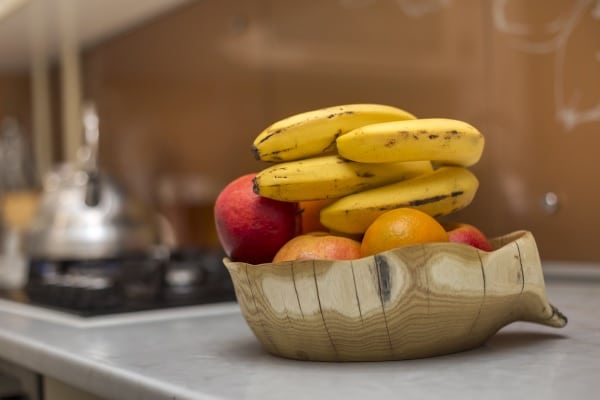
When it comes to fruits, the options for adding fiber to your diet are both delicious and diverse. Apples, for instance, are a convenient and tasty source of both soluble and insoluble fiber. Eating an apple before a meal can even make you feel fuller, reducing the amount of food you consume. Berries, such as strawberries and raspberries, are also fiber-rich and offer the added benefit of being low in calories.
Bananas are another excellent choice, especially for those who lead an active lifestyle. They not only provide a quick source of energy but also contain a decent amount of fiber, aiding in digestion. The beauty of incorporating fruits into your diet is that they offer a plethora of other nutrients like vitamins and antioxidants, making them a well-rounded choice for boosting your fiber intake.
Vegetables: The Green Fiber Machines

If fruits are the sweet way to fiber goodness, vegetables are the green machines that power your fiber intake. Take broccoli, for example; this green vegetable is rich in fiber and packed with essential nutrients like vitamin C and potassium. Brussels sprouts, another cruciferous vegetable, are similarly fiber-rich and offer additional health benefits, such as potentially lowering cancer risk.
Carrots and spinach also make the list of fiber-rich vegetables. While carrots are often associated with eye health due to their high vitamin A content, they also offer a good amount of fiber. Spinach, on the other hand, is a leafy green that can be easily added to salads, smoothies, or even sautéed as a side dish. Like fruits, vegetables offer a range of nutrients, making them an excellent choice for anyone looking to increase their fiber intake while also boosting overall nutrition.