

Rice And Pasta

Rice and pasta are staple foods in many diets around the globe, often found in abundant quantities in various dishes. However, when left over, these beloved grains and noodles can harbor uninvited guests. A bacterium called Bacillus cereus thrives in improperly stored rice, leading to food poisoning. It’s essential for the rice to be cooled quickly and stored at the right temperature to minimize the risk of bacterial growth, ensuring it remains safe to consume.
While pasta doesn’t share the same level of bacterial concern as rice, it has its challenges. The texture of leftover pasta can change, becoming softer and less appealing. The integrity of the dish can often be salvaged by adding a small amount of water before reheating, which helps restore some of its original texture. Both rice and pasta dishes should be consumed within a couple of days to ensure they are enjoyed at their best quality.
Meats

Meats are a valuable source of protein and a flavorful component of diverse cuisines, but they require careful handling as leftovers. Cooked meats, especially poultry, can become a haven for bacteria like Salmonella if not stored correctly. Ensuring that the meat is promptly refrigerated and consumed within three to four days is essential for safety. It’s also crucial to reheat it to an internal temperature of 165°F to kill any lingering bacteria, making it safe for consumption.
The sensory attributes of meat—its flavor, aroma, and texture—are also affected when it’s saved for later. Meats can become dry and less tender, especially when reheated, impacting the overall dining experience. Strategies to mitigate this include adding a bit of broth or sauce before reheating to restore moisture, ensuring that the meat remains palatable and enjoyable while being safe to eat. Proper storage in airtight containers also helps in preserving the quality of the leftover meat.
Sauces And Soups

Sauces and soups, known for their ability to bring dishes to life with rich flavors and aromas, can sometimes lose their zest when left over. Elements within these culinary delights can separate, resulting in an inconsistent texture and flavor. For creamy sauces or soups, this is often marked by a distinct layering or curdling effect, making them less appealing and palatable. Storage in airtight containers and gentle reheating, avoiding boiling, can sometimes mitigate these effects and preserve the original taste and consistency.
Additionally, nutritional content is a consideration with leftover sauces and soups. Vitamins and minerals can degrade over time, especially when exposed to heat and light. Ensuring that these items are stored correctly and consumed within a short timeframe can help maintain their nutritional integrity. While they can often be enjoyed a few days after the initial preparation, a discerning palate will notice the subtle shifts in flavor and texture that accompany the passage of time.
Eggs
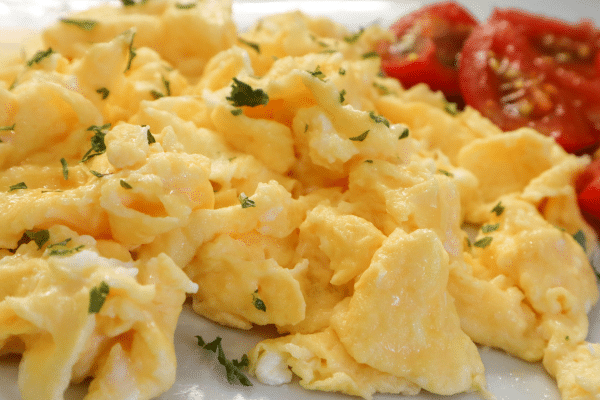
Eggs, a beloved staple in many diets, present unique challenges as leftovers. When reheated, eggs can take on a rubbery texture, detracting from their original, delicate consistency. The proteins within eggs continue to coagulate during the reheating process, leading to this change in texture. Therefore, eggs and egg-based dishes should be consumed promptly or reheated with care to avoid a decline in their quality and appeal.
On the health front, eggs need to be stored and reheated properly to minimize the risk of foodborne illnesses. They should be kept at a safe temperature and consumed within a short timeframe to ensure their safety. When reheating, bringing them to an appropriate temperature is essential to mitigate potential health risks while attempting to preserve their texture and flavor.
The Bottom Line
Leftover food can be a convenient and economical choice, but careful consideration should be given to the types of foods one chooses to save and reheat. The complexities of food safety, coupled with changes in texture, flavor, and nutritional content, make some foods less suitable as leftovers. It’s essential to be informed and cautious, ensuring that the delights of today’s meals don’t become tomorrow’s health concerns. By being selective and informed, individuals can enjoy their leftovers safely, without compromising on taste and nutritional quality.