

The allure of saving restaurant leftovers or the remains of a home-cooked meal for the next day’s lunch is nearly universal. Who doesn’t appreciate a ready-to-eat meal that’s both cost-effective and convenient? However, while it may be economical and reduce food waste, it’s essential to be selective about the types of foods kept for later consumption. Not all dishes age gracefully in the refrigerator – some can even become a health hazard. The texture, flavor, and nutritional value of certain foods can deteriorate, impacting not just the dining experience, but also potentially posing risks to health.
Seafood

Seafood, a delightful and nutritious choice for any meal, comes with a caveat when considering it for leftovers. Due to its delicate nature, seafood harbors bacteria like Salmonella and E. coli, which can multiply rapidly if not stored at the correct temperatures. It’s vital to ensure that leftover seafood is promptly refrigerated at a temperature below 40°F to mitigate the risk of food poisoning. The window for consuming leftover seafood is significantly shorter than other foods, generally safe to eat within one to two days if stored correctly.
The decline in quality of leftover seafood isn’t only a health concern but affects the culinary experience profoundly. The vibrant flavors and tender textures that define fresh seafood can become muted or altered. Fish and shellfish tend to dry out and become less appealing. To salvage the taste to some extent, consider incorporating the leftovers into new dishes such as stews or salads, ensuring they’re thoroughly reheated to a safe internal temperature.
Cooked Vegetables

Cooked vegetables, though a healthy and flavorful component of any meal, can sometimes lose their appeal when reheated. They often become soggy and lose their vibrant colors, making them less appetizing to the eye and palate. Nutrients, especially water-soluble vitamins like vitamin C and some B vitamins, are also at risk of degradation. While convenient, microwaving leftovers can exacerbate this nutrient loss, prompting a need for careful consideration of reheating methods to preserve both texture and nutritional value.
The chemical changes in reheated vegetables don’t just impact the texture and nutrition but can also affect their flavor profile. For vegetables that have been seasoned or dressed, the additional time allows for flavors to meld, sometimes resulting in an intensified taste, but not always for the better. It’s advisable to store cooked vegetables in airtight containers and consume them within a couple of days to enjoy them at their best, while also minimizing the risk of nutrient loss and flavor alteration.
Fried Foods
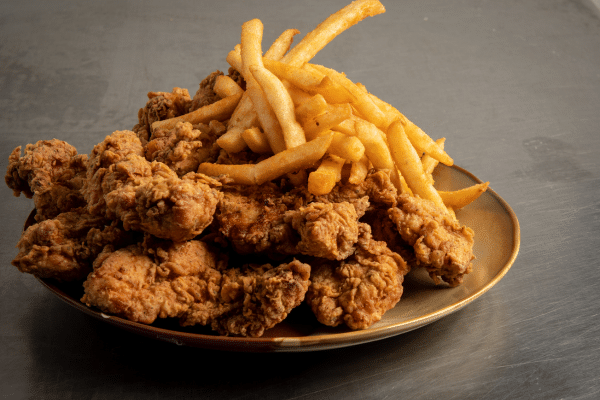
When freshly made, fried foods are celebrated for their crisp, golden exteriors and flavorful taste. However, these beloved characteristics quickly diminish when these foods are left over. The crispy texture can turn soggy as the moisture content rises, significantly reducing the appealing crunch that defines fried delicacies. The type of oil used and the food’s overall composition also play pivotal roles in how well it withstands the test of time and reheating attempts.
Further complicating the matter is the issue of reheated oils. Oils that have been heated, cooled, and then reheated can undergo a series of chemical reactions, leading to the production of harmful compounds. These compounds are not just a matter of taste; they can also impact health negatively. To navigate this issue, it’s crucial to be discerning about the types of fried foods saved for later and the methods employed to reheat them to restore as much of their original texture and flavor as possible.