

Regular Dental Check-Ups
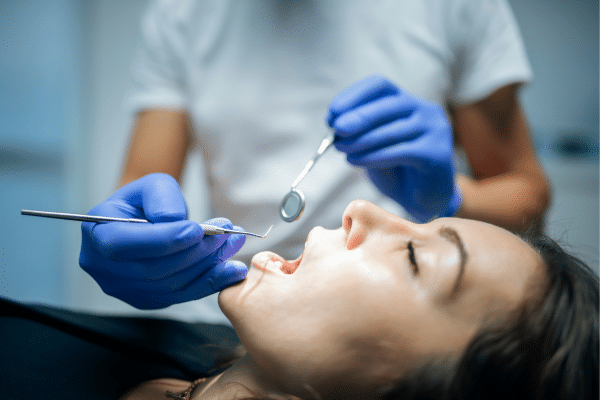
Routine visits to the dentist are foundational to maintaining optimal dental health. These check-ups provide professional cleaning, removing tartar that can’t be eliminated by regular brushing and flossing. Moreover, dentists can identify and address potential issues early, such as cavities and gum diseases, ensuring preventative measures are put in place before they escalate.
Another critical aspect of these visits includes professional advice tailored to individual needs. Every person has unique oral health needs, and dentists provide customized solutions and recommendations. These can range from the type of oral care products to use to specific care instructions for issues like sensitivity, braces, or dental implants.
Using Mouthwash Regularly

Integrating mouthwash into daily oral hygiene can offer enhanced cleanliness and protection. It acts as an adjunct to brushing and flossing, reaching areas of the mouth that might be missed otherwise. Mouthwashes containing antibacterial agents are effective in killing bacteria that cause bad breath, plaque, and gingivitis.
However, the selection of mouthwash should be done with consideration. Numerous options are available, each catering to different needs—from fluoride mouthwashes that fight decay to antiseptic options that combat bacteria and gum disease. Reading labels and, if necessary, seeking a dentist’s recommendation can ensure the selection of a mouthwash that aligns with specific oral health needs and conditions.
Proper Hydration And Saliva Production

Staying well-hydrated is essential for overall health and particularly beneficial for oral hygiene. Water plays a critical role in maintaining the mouth’s cleanliness, washing away food particles and residues that could lead to plaque buildup. Moreover, it aids in keeping the mouth moist, promoting the production of saliva, a natural defense against bacteria and diseases.
Saliva is a key component in oral health, containing enzymes that aid in the digestion of food and neutralize harmful acids in the mouth. It helps in strengthening tooth enamel by providing necessary minerals. Therefore, adequate water intake is not just a general health requirement but a vital element in the maintenance of optimal oral health.
Avoiding Tobacco

In addition to the increased risk of disease, tobacco users often experience a decline in taste and smell, leading to poor diet and nutrition which further impacts oral health. Moreover, the cosmetic effects, including stained teeth and bad breath, can also impact an individual’s confidence and social interactions. Consequently, avoiding tobacco entirely is one of the most significant steps one can take for optimal oral and overall health.
The Bottom Line
In summation, achieving and maintaining good dental hygiene is a multifaceted approach that goes beyond brushing and flossing. It requires a balanced diet, regular professional check-ups, and avoiding harmful substances like tobacco and excessive alcohol. Each practice is integral, working synergistically to promote a healthy oral environment. Through consistent application of these steps, individuals can not only enjoy a radiant and confident smile but also contribute positively to their overall health, as a healthy mouth is a significant aspect of a healthy body. Adopting and maintaining these practices can lead to a lifetime of optimal oral health and well-being.