A low-residue diet has been a point of interest for those grappling with certain digestive issues or preparing for gastrointestinal surgeries. However, like any specialized diet, it has advantages and drawbacks. This leads to an essential question: Is a low-residue diet safe for you? Understanding this diet’s intricacies can offer valuable insights into its effectiveness and potential risks. This article will delve into what a low-residue diet entails, who usually recommends it, its benefits and downsides, and the safety considerations you should know before jumping in. The ultimate goal is to provide a comprehensive view to help you make an informed decision.
What Is a Low Residue Diet?

A low-residue diet is designed to reduce the frequency and volume of bowel movements. By limiting high-fiber foods like whole grains, fruits, and vegetables, the diet aims to rest the bowel and alleviate gastrointestinal distress symptoms. This diet is particularly helpful for those with Crohn’s disease, ulcerative colitis, or diverticulitis, where reducing bowel activity can offer relief.
When following a low-residue diet, you can consume foods like white bread, white rice, and well-cooked vegetables. On the flip side, avoiding whole grains, seeds, and certain fruits and vegetables rich in fiber is crucial. Essentially, it’s a diet that minimizes ‘residue’—undigested food, including fiber, that makes up stool—to make digestion and excretion smoother.
Who Recommends a Low Residue Diet?

Typically, healthcare providers like doctors and gastroenterologists recommend a low-residue diet. They do so in particular circumstances, such as before bowel surgery or during acute flare-ups of gastrointestinal disorders. For example, someone preparing for a colonoscopy may be advised to follow this diet a few days before the procedure to ensure the bowel is clear of any residue.
It’s worth noting that a low-residue diet is often prescribed as a temporary measure. Long-term adherence to such a diet is uncommon and is generally not advised without medical supervision. Always consult with a healthcare provider to determine the appropriateness and duration of this diet for your specific health situation.
Benefits of a Low Residue Diet
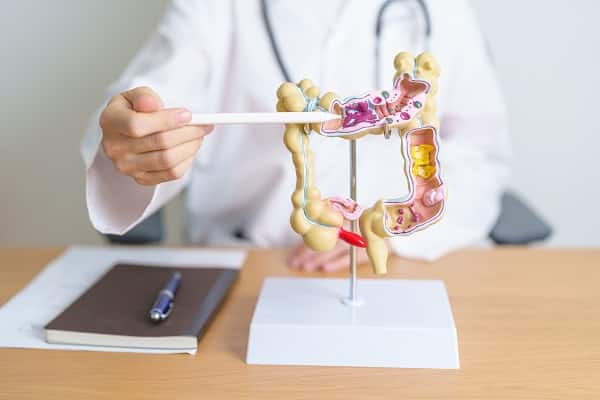
The most evident benefit of a low-residue diet is its ability to reduce bowel volume, potentially relieving diarrhea, abdominal pain, and other discomforts related to bowel function. By consuming foods that are easier to digest, people can mitigate symptoms of gastrointestinal disorders like Crohn’s disease, diverticulitis, and even Irritable Bowel Syndrome (IBS) to some extent.
Clinical evidence supports some of these benefits. Studies have shown that a low-residue diet can effectively manage acute episodes of certain digestive disorders. However, it is essential to remember that while the diet offers symptomatic relief, it is not a cure for the underlying condition. Therefore, it’s crucial to consult a healthcare provider for a comprehensive treatment plan.