

Downsides and Risks

While a low-residue diet can offer relief in certain conditions, it has drawbacks. The most notable downside is the lack of fiber, which could lead to constipation. Fiber plays a vital role in bowel health, and a deficiency could upset the gastrointestinal balance, leading to further complications over time.
Additionally, prolonged adherence to a low-residue diet may result in nutrient deficiencies. Many foods restricted in this diet are rich in essential vitamins and minerals. For example, avoiding fruits and certain vegetables can limit your essential nutrients like Vitamin C and potassium intake. Furthermore, there are potential long-term impacts on gut health, as fiber also serves as food for beneficial gut bacteria.
Safety Concerns Specific to Certain Groups

A low-residue diet is generally not recommended for everyone. Specifically, it can be unsuitable for children, pregnant women, and the elderly. In their growing phase, children need a well-rounded diet rich in fiber and other essential nutrients for proper development. A low-residue diet, with its limited range of foods, may deprive them of these essentials.
Similarly, pregnant women need a diet that covers a broad spectrum of nutritional requirements for both the mother and the developing fetus. With its inherent nutrient limitations, a low-residue diet may not be the best choice. The elderly population, already prone to digestive issues and malnutrition, may also face further risks with a low-residue diet. The lack of fiber can exacerbate pre-existing conditions, such as constipation or diverticulosis, common among older adults.
How to Safely Follow a Low-Residue Diet

If you find that a low-residue diet is necessary for your condition, it’s vital to approach it cautiously. Always consult a healthcare provider or a registered dietitian before starting this diet. The involvement of a medical professional ensures that you can address any nutrient deficiencies or other health concerns that may arise during the diet.
Following this diet safely often involves a short-term plan. Extended adherence can result in significant health issues, including nutrient deficiencies and gut imbalance. If long-term implementation is necessary, the importance of medical supervision cannot be overstated. Some people may also benefit from supplements to counter nutrient deficiencies, but this should be done under medical advice.
Alternatives to a Low Residue Diet
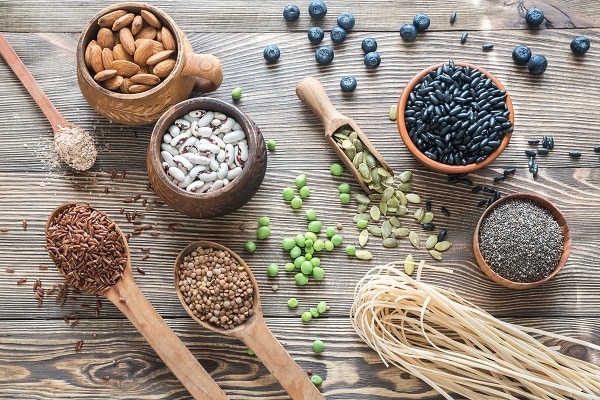
While a low-residue diet can be beneficial under specific circumstances, alternative dietary approaches could be equally effective and potentially safer in the long run. For those without severe bowel issues, a high-fiber diet is often recommended for overall gastrointestinal health. Foods like fruits, vegetables, and whole grains are excellent for maintaining a healthy gut.
Another option is the FODMAP diet, specifically designed for people with digestive issues like IBS. This diet restricts various types of carbohydrates that are hard to digest and can produce gas in the gut. Other medically recommended diets, like gluten-free or anti-inflammatory, may also be beneficial, depending on the underlying condition. Always consult a healthcare provider for tailored advice.
The Bottom Line
A low-residue diet has a specific role in managing certain gastrointestinal conditions and preparing individuals for particular medical procedures. While it offers the benefit of reducing bowel volume and alleviating discomfort, it comes with challenges, including potential nutrient deficiencies and specific safety concerns for children, pregnant women, and the elderly. Hence, consultation with a healthcare provider is essential for anyone considering this diet. In sum, a low-residue diet can be useful in certain circumstances, but it’s not a one-size-fits-all solution. Safety and effectiveness are highly individualized, requiring a comprehensive healthcare approach to ensure that the diet is the right choice for you.