
Hidden Dangers of Your Daily Supplements
The unregulated supplement industry poses risks many consumers don’t anticipate, from contamination to dangerous drug interactions.
Millions of Americans reach for dietary supplements each morning, trusting that these pills, powders, and capsules will enhance their health. Yet the hidden dangers of your daily supplements remain largely unknown to the average consumer. Unlike prescription medications, dietary supplements do not require FDA approval before reaching store shelves, creating a marketplace where product quality varies dramatically and potential hazards can go undetected for years. Understanding what you’re actually putting into your body has never been more critical, particularly for older adults who may already be managing multiple health conditions.
The FDA Does Not Pre-Approve Supplement Safety
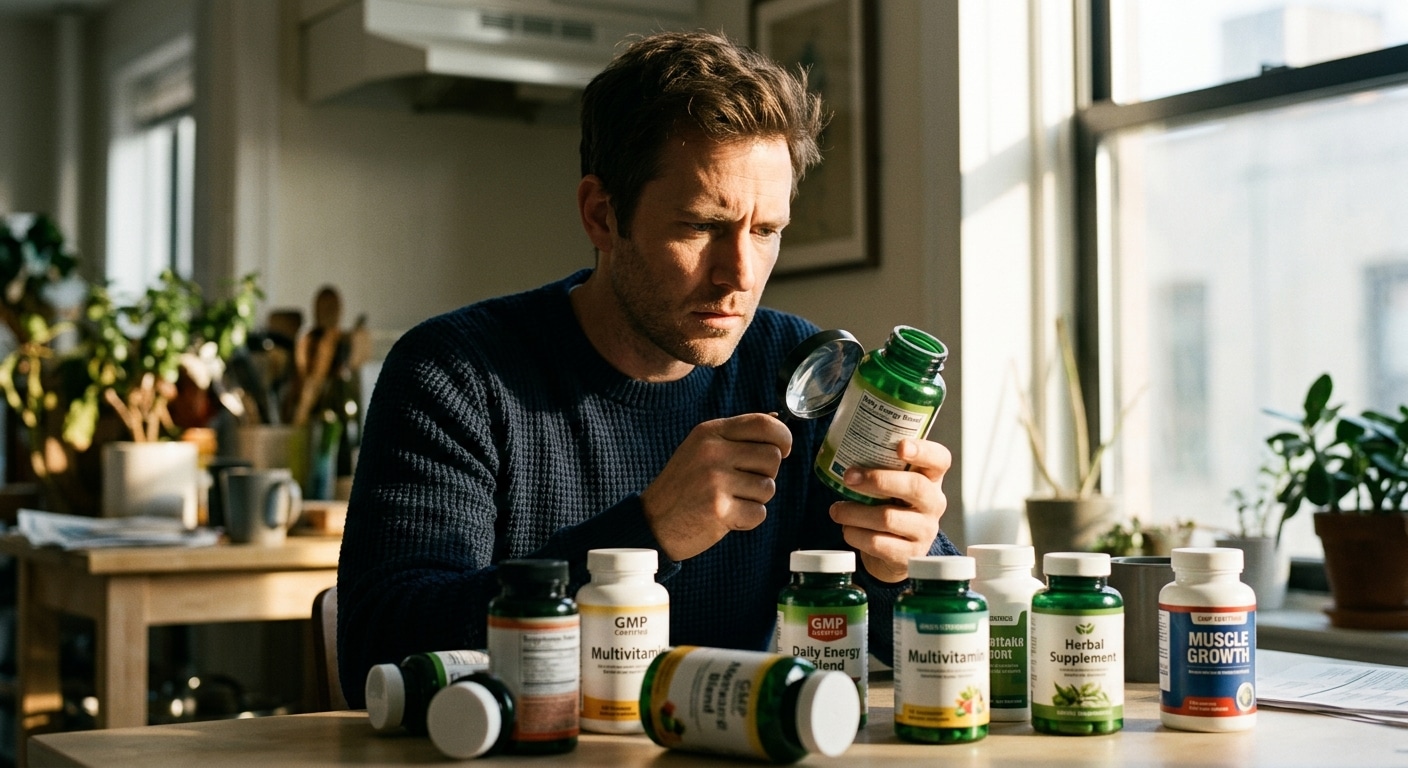
The Dietary Supplement Health and Education Act of 1994 fundamentally shaped how supplements are regulated in the United States. Under this law, the FDA does not review dietary supplements for safety and effectiveness before they are sold to consumers. Manufacturers are responsible for ensuring their products are safe, but there is no mandatory testing or verification process before a product enters the market. The FDA can only take action against a supplement after it has been shown to cause harm, which means dangerous products may circulate for extended periods before being identified and removed.
This regulatory gap has real consequences. The FDA has issued numerous warning letters to supplement companies for selling products containing undeclared pharmaceutical ingredients, including prescription drugs and controlled substances. Products marketed as natural weight loss aids, sexual enhancement supplements, and muscle-building formulas have been found to contain synthetic compounds not listed on their labels. For older adults, who may already take multiple prescription medications, consuming these undisclosed ingredients can trigger serious adverse reactions.
The FDA estimates there are approximately 80,000 dietary supplement products currently on the U.S. market. The agency has limited resources to inspect manufacturing facilities and test products, meaning the vast majority of supplements never undergo government review.
Product Contamination and Adulteration Risks

Independent laboratory testing has repeatedly revealed that supplement labels often do not accurately reflect product contents. Some products contain significantly less of the active ingredient than advertised, while others contain more than stated, potentially pushing consumers into toxic dose ranges. Heavy metal contamination, including lead, arsenic, and mercury, has been detected in various supplement categories, from herbal remedies to protein powders. These contaminants can accumulate in the body over time, contributing to neurological damage, kidney problems, and other serious health issues.
The problem extends to herbal supplements, where species substitution and contamination with unlisted plant materials have been documented. DNA testing of herbal products has found instances where the primary ingredient listed on the label was entirely absent from the actual product, replaced instead by fillers or cheaper botanical alternatives. For consumers seeking specific therapeutic benefits, this means they may receive no benefit at all, or worse, ingest substances that trigger allergic reactions or interact with their medications.
Lead, mercury, arsenic, and cadmium have been found in various supplement types, particularly those sourced from regions with less stringent agricultural controls.
Weight loss and sexual enhancement supplements have been found to contain undeclared prescription drug ingredients, including controlled substances.
Bacteria, mold, and other microorganisms have been identified in supplements with inadequate manufacturing controls.
Products may contain significantly more or less of stated ingredients than labels indicate, affecting both efficacy and safety.
Dangerous Interactions With Prescription Medications
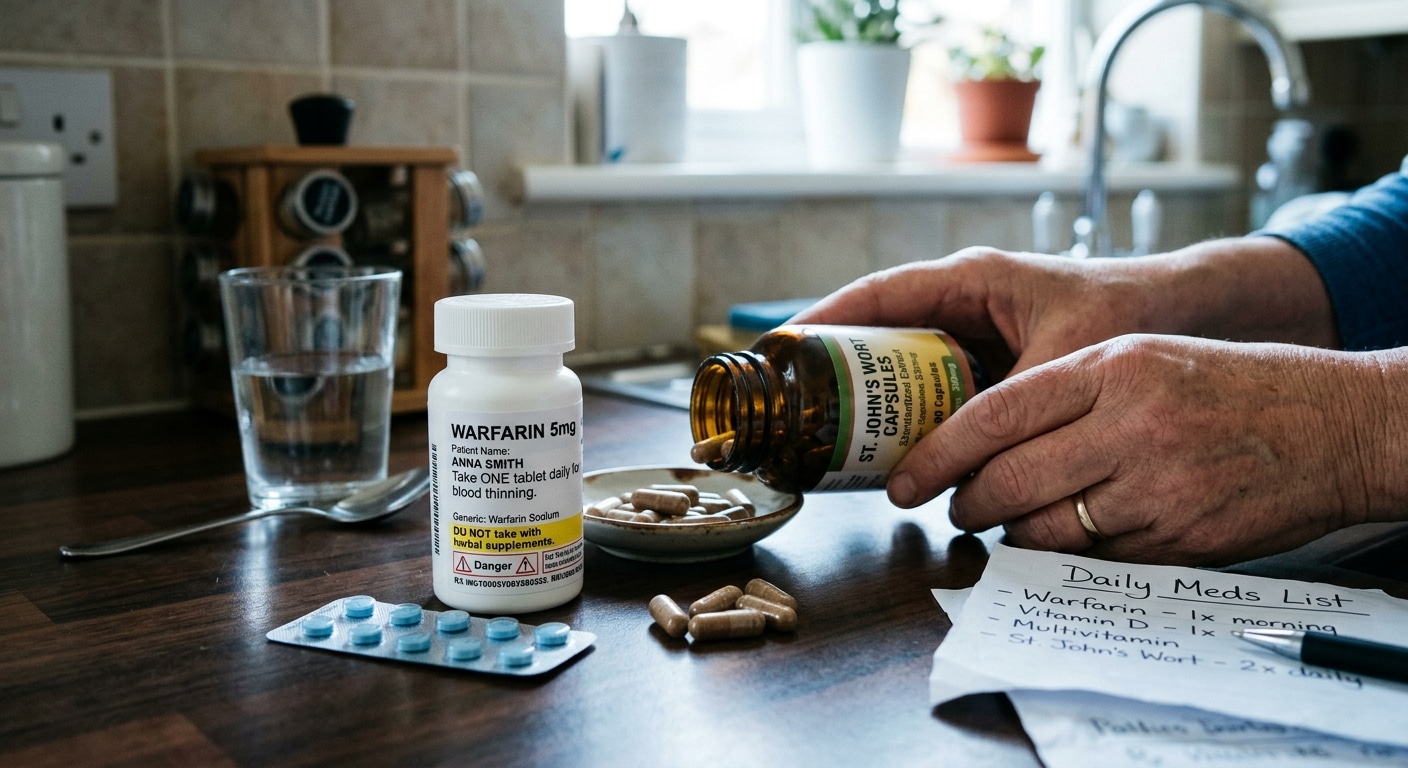
One of the most significant yet underappreciated dangers of supplements involves their potential to interact with prescription medications. St. John’s Wort, commonly taken for mood support, can reduce the effectiveness of numerous medications including blood thinners, birth control pills, and certain heart medications. Ginkgo biloba may increase bleeding risk when combined with anticoagulant drugs. Calcium supplements can interfere with the absorption of thyroid medications and certain antibiotics if taken at the same time.
Older adults face heightened risks because they are more likely to take multiple prescription medications simultaneously. A supplement that seems harmless in isolation may become problematic when combined with other substances in the body. Many people do not inform their healthcare providers about the supplements they take, partly because they view these products as natural and therefore safe. This communication gap prevents physicians from identifying potential interactions and adjusting treatment plans accordingly.
Research published in medical journals has documented that a significant percentage of older adults who take dietary supplements also use prescription medications. The complexity of these regimens increases the likelihood of adverse interactions, making it essential for seniors to discuss all supplements with their healthcare providers before starting new products.
The Risks of Excessive Vitamin and Mineral Intake

The assumption that more vitamins and minerals are always better represents a dangerous misconception. Fat-soluble vitamins, including vitamins A, D, E, and K, accumulate in body tissues and can reach toxic levels with prolonged excessive intake. Vitamin A toxicity can cause liver damage, vision problems, and bone abnormalities. Excessive vitamin D can lead to calcium buildup in the blood, causing nausea, weakness, and kidney problems.
Iron supplements pose particular risks, especially for individuals with hereditary hemochromatosis, a condition that causes the body to absorb too much iron from food. Even for those without this condition, taking iron supplements when they are not medically necessary can contribute to oxidative stress and has been associated with various health concerns. The National Institutes of Health has established tolerable upper intake levels for many nutrients, but many consumers are unaware these limits exist or do not calculate their total intake from food and supplements combined.
The Institute of Medicine has established Tolerable Upper Intake Levels for many vitamins and minerals. For example, the upper limit for vitamin D is 4,000 IU per day for adults, though some supplements contain doses significantly exceeding this amount.
How to Protect Yourself When Choosing Supplements

Consumers can take several steps to reduce their risk when using dietary supplements. Looking for products that have been independently tested by third-party organizations such as USP, NSF International, or ConsumerLab provides some assurance of quality and accuracy, though these certifications are voluntary and not all reputable products carry them. Purchasing from established manufacturers with good manufacturing practice certifications may reduce, but does not eliminate, the risk of contamination or mislabeling.
Having an open conversation with healthcare providers about all supplements is essential, particularly for older adults managing chronic conditions. Bringing supplement bottles to medical appointments allows providers to review ingredients and dosages. Keeping a complete list of all supplements, including occasional use products, helps healthcare teams identify potential interactions. Being skeptical of dramatic health claims and miracle cure promises can help consumers avoid products most likely to be fraudulent or dangerous.
Inform your healthcare provider about every supplement you take. Look for third-party testing seals. Research products before purchasing. Avoid supplements making dramatic health claims. Calculate your total nutrient intake from food and supplements combined to avoid exceeding safe limits.
Making Informed Decisions About Supplement Use

The supplement industry offers products that may benefit certain individuals under specific circumstances, but the lack of rigorous pre-market oversight means consumers must approach these products with informed caution rather than blind trust. For aging adults navigating complex health needs, understanding that natural does not automatically mean safe represents the first step toward protecting themselves from preventable harm. Speaking openly with healthcare providers, researching products carefully, and recognizing that more is not always better can help ensure that supplements serve their intended purpose without introducing unexpected risks into daily health routines.