
Nutrient-Dense Vegetables and Overall Hormonal Balance
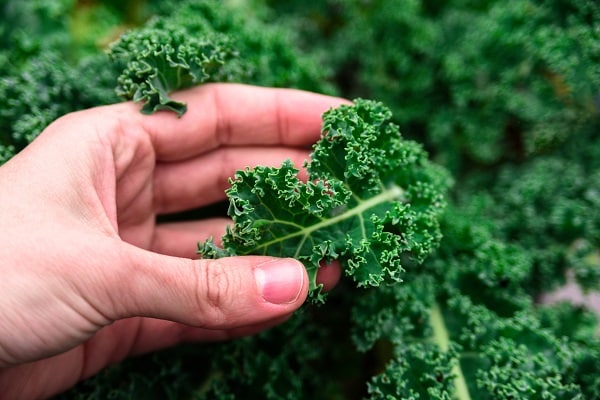
Hormonal balance isn’t just about one or two key hormones; it’s about a symphony of biochemical messengers working in harmony. Nutrient-dense vegetables like spinach, kale, and broccoli are replete with essential vitamins and minerals that aid in maintaining this delicate balance. The antioxidants found in these foods help neutralize oxidative stress, which is known to disturb hormonal equilibrium.
Not just a fad, the idea of “eating the rainbow” by including a variety of colorful vegetables in one’s diet has scientific backing. A range of nutrients from different vegetables can contribute to optimal hormonal health. So, the next time you prepare a meal, remember to load up on these nutrient powerhouses for a hormonally balanced body.
The Soy Controversy
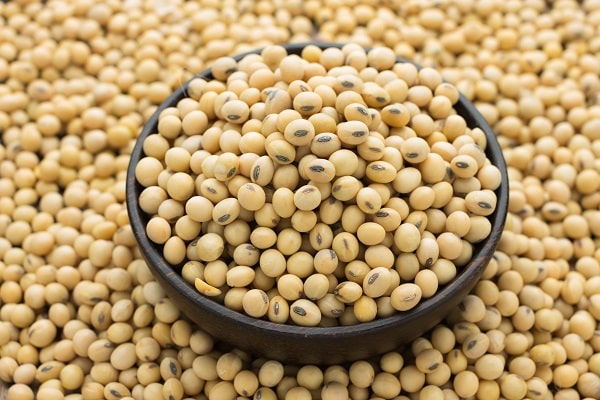
Soy and soy-based foods like tofu and tempeh have long been the subject of debate when it comes to hormonal health. This is primarily because soy contains phytoestrogens, compounds that can mimic the hormone estrogen in the body. For some, this raises concerns about potential hormonal imbalances and related health issues, such as the risk of certain cancers.
However, many scientific studies argue that moderate consumption of soy is generally safe for most people and may even offer health benefits. According to a meta-analysis published in the Journal of Nutrition, there’s little evidence to suggest that soy significantly alters hormonal balance in either men or women. Thus, like many things in nutrition, moderation seems to be the key.
Healthy Fats and Testosterone

Fats often get a bad rap, but they are essential for hormone production, including the hormone testosterone. Consuming healthy fats like those found in avocados, fatty fish like salmon, and olive oil can improve testosterone levels and, by extension, overall hormonal balance. These fats, rich in omega-3 and omega-6 fatty acids, contribute to cell membrane integrity, which, in turn, plays a role in hormone production.
A study in the Journal of Clinical Endocrinology highlights the importance of dietary fats in the regulation of testosterone levels. Those who follow diets low in fat often show reduced testosterone levels, leading to various health issues like reduced muscle mass and fatigue. Thus, it’s important to include healthy fats in your diet for balanced hormonal health.
The Bottom Line
The foods we consume play a monumental role in our hormonal health, affecting everything from our stress levels to our metabolic efficiency. This article has examined the impact of various food categories on key hormones like insulin, cortisol, estrogen, and testosterone, shedding light on foods that either help or hinder hormonal balance. While the knowledge imparted here serves as a guideline, it’s essential to remember that individual hormonal needs may vary. Consulting healthcare professionals for personalized dietary advice tailored to your hormonal profile is a prudent step toward long-term wellness.