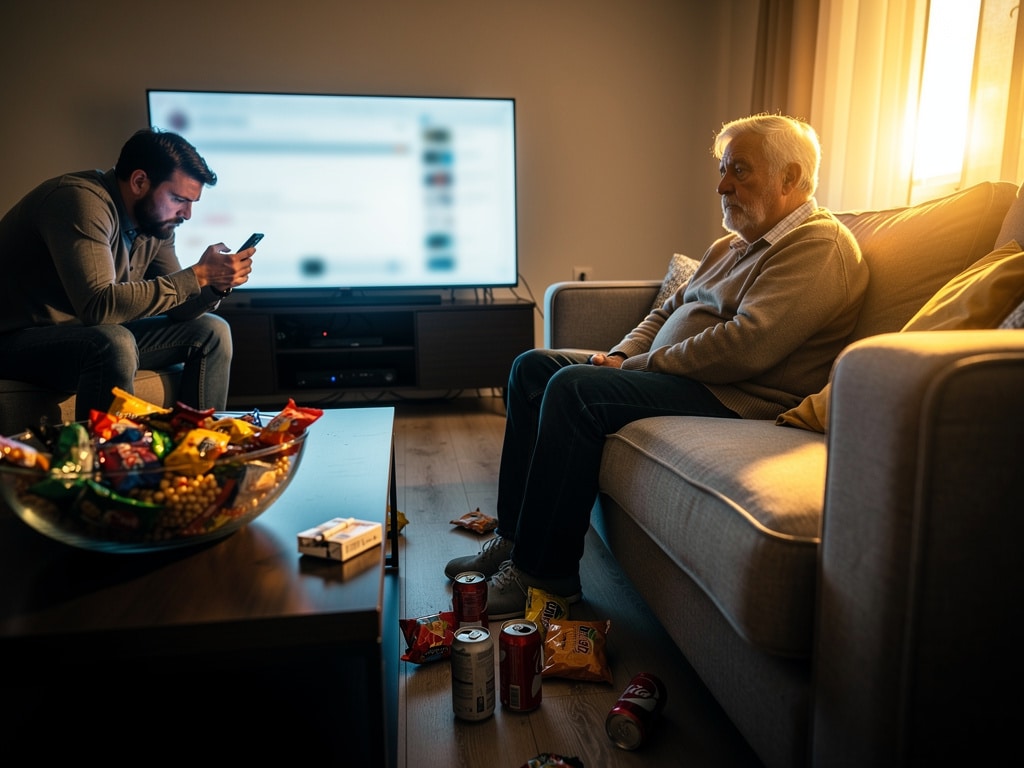

Stay Physically Active

Physical activity stands as one of the most potent weapons against numerous health challenges, including cancer. Engaging in regular exercise helps in regulating hormones, bolstering the immune system, and maintaining a healthy weight – all factors that play pivotal roles in cancer prevention. Studies have continually shown a correlation between increased physical activity and decreased risks of several types of cancer.
Starting an exercise routine doesn’t necessitate joining a gym or undertaking strenuous workouts. Simple activities like brisk walking, cycling, or even gardening can yield significant benefits. It’s vital to find activities that are enjoyable, ensuring consistency and commitment. Incorporating about 30 minutes of moderate exercise into daily routines can pave the way for a healthier future, reducing not only cancer risk but also enhancing overall well-being.
Limit Alcohol and Tobacco Use

Tobacco and alcohol rank among the top contributors to cancer diagnoses globally. Smoking, in particular, has been irrefutably linked to a myriad of cancers, including those of the lungs, mouth, throat, and pancreas. The toxins present in tobacco initiate changes in the body’s cells, making them more prone to become cancerous over time.
Alcohol, when consumed excessively, can be harmful as well. It has been associated with cancers of the mouth, liver, breast, and colon. Moderation is the key when it comes to alcohol consumption. By limiting or eliminating tobacco and alcohol, individuals can considerably decrease their risk of certain cancers. It’s also worth noting that even for those who have been entrenched in these habits, it’s never too late to quit. The body has an incredible ability to repair, and every step away from these detrimental habits can lead to a healthier life.
Be Aware of Environmental Hazards

Modern living comes with exposure to a range of environmental toxins and pollutants, many of which are carcinogens. From pesticides on crops to chemicals in household cleaners, the environment is laden with potential threats. Asbestos, benzene, and formaldehyde are just a few substances that have been linked to cancer and are found in everyday environments for some individuals.
Minimizing exposure requires both awareness and action. Individuals should educate themselves about the chemicals they come into contact with at home or work. Opting for natural, non-toxic alternatives when possible and ensuring adequate ventilation in spaces where chemicals are used can mitigate risks. On a broader scale, advocating for cleaner, safer environments and supporting regulations that keep carcinogenic substances in check can lead to longer, healthier lives for everyone.
Get Plenty of Sleep

Sleep is the body’s natural repair mechanism, a time when cells rejuvenate and the immune system strengthens. Chronic sleep deprivation, or consistently poor sleep quality, can lead to a host of health issues, including an increased risk of cancer. Hormones released during deep sleep stages are known to play roles in DNA repair and the regulation of stress hormones, which, if imbalanced, might promote cancer growth.
To harness the protective benefits of sleep, it’s crucial to establish and maintain a consistent sleep routine. This includes sleeping in a dark, cool environment, avoiding screen time before bed, and managing stress, which often hampers sleep quality. By ensuring a full, restful seven to nine hours of sleep nightly, individuals can support their body’s defense mechanisms and maintain a healthier equilibrium.
The Bottom Line
Cancer prevention is a multifaceted journey, intertwining dietary choices, lifestyle habits, and environmental factors. With the knowledge of risks and protective measures, individuals can make informed decisions that significantly reduce their chances of developing this disease. It’s not about implementing all changes at once but rather, understanding the pivotal role each plays in overall health. As advancements in research continue, so should the commitment to proactive, preventive measures in daily life. Every choice, no matter how small, contributes to a future of better health and longevity.