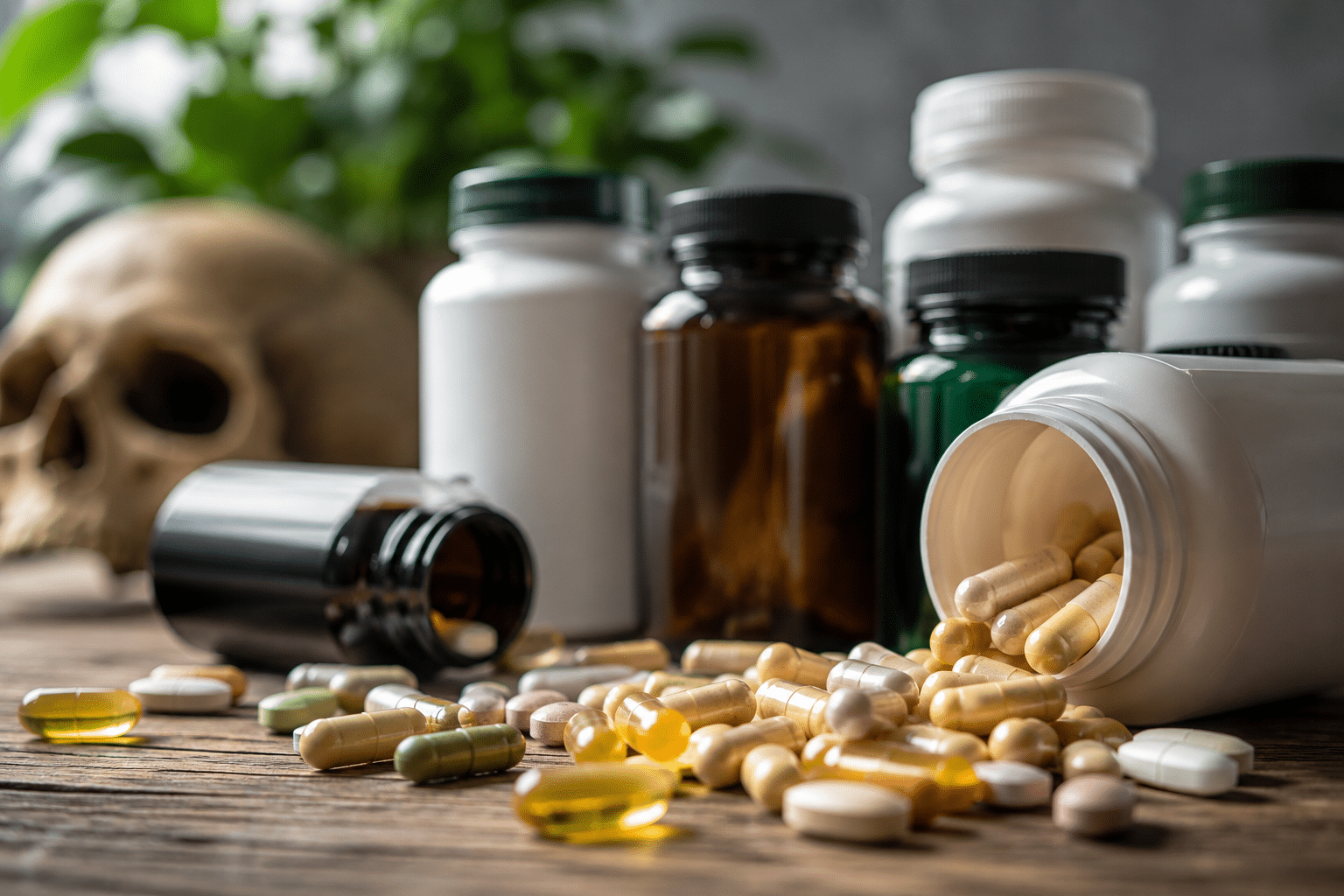
Side Effects And Allergies

While antibiotics are essential in treating bacterial infections, they are not without side effects and potential allergic reactions. Common side effects include nausea, diarrhea, and skin rashes, which are usually mild and temporary. However, more severe reactions can occur, particularly if antibiotics are misused or taken without proper medical supervision.
Allergic reactions to antibiotics, though rare, can be serious and even life-threatening. Symptoms may include hives, swelling, and difficulty breathing. It is crucial for patients to inform healthcare providers of any known allergies and to seek medical attention if an allergic reaction occurs. Understanding the potential risks and being vigilant about following medical guidance can mitigate these risks and ensure that antibiotics are used safely and effectively.
Antibiotics In Agriculture

The use of antibiotics extends beyond human medicine into agriculture, where they are used to promote growth and prevent disease in livestock. This practice has become controversial due to its potential impact on human health. The widespread use of antibiotics in animals can lead to the development of resistant bacteria, which can then be transmitted to humans through the food chain.
In addition to livestock, antibiotics are also used in crop farming to combat bacterial diseases in plants. Regulatory measures and guidelines are in place to control the use of antibiotics in agriculture, but challenges remain. Balancing the benefits of antibiotics in food production with the potential risks requires careful consideration, ongoing research, and collaboration between farmers, regulators, and scientists.
Alternatives To Antibiotics

As antibiotic resistance becomes a growing concern, the search for alternatives to traditional antibiotics has intensified. Research into novel treatments includes exploring substances with antimicrobial properties, such as certain metals, peptides, and even bacteriophages, which are viruses that attack bacteria. These alternatives aim to provide new ways to combat bacterial infections without contributing to resistance.
Herbal and natural remedies are also being investigated as potential alternatives to antibiotics. While some of these substances have been used in traditional medicine for centuries, scientific research is needed to validate their efficacy and safety. The pursuit of alternatives to antibiotics is a complex and vital area of research that holds promise for the future of medicine, potentially revolutionizing how infections are treated.
Proper Usage And Precautions

Proper usage of antibiotics is essential to their effectiveness and the prevention of resistance. This includes taking the prescribed dose at the right times, completing the full course of treatment, and never sharing antibiotics with others. Failure to adhere to these guidelines can lead to treatment failure and contribute to the development of resistant bacteria.
Precautions also extend to healthcare providers, who must prescribe antibiotics judiciously and only when necessary. Educating patients about the importance of following instructions and the potential risks of misuse is also crucial. The responsibility for proper antibiotic usage is shared between patients and healthcare providers, and adherence to these principles is vital for maintaining the efficacy of these life-saving drugs.
Know The Truth About Antibiotics
Antibiotics are a cornerstone of modern medicine, with a complex history, diverse types, and multifaceted applications. From their discovery to their role in agriculture, and from their misuse to the search for alternatives, antibiotics continue to be a subject of immense importance and intrigue. This post has explored various aspects of antibiotics, shedding light on lesser-known facts and emphasizing the need for responsible usage. The understanding and appreciation of antibiotics are essential for preserving their effectiveness and ensuring that they continue to serve humanity in the fight against bacterial infections.