

Over-The-Counter Solutions

For many, over-the-counter (OTC) solutions offer immediate relief from dry eye symptoms. Artificial tears are the most common OTC remedy, available in various formulations to cater to different dry eye conditions. They provide temporary relief by replenishing the tear film, ensuring the eyes remain lubricated.
While artificial tears are beneficial, it’s essential to choose the right type. Some contain preservatives, which might irritate the eyes if used frequently. Ointments and gels, on the other hand, offer longer-lasting relief but can blur vision temporarily. It’s always advisable to read labels carefully and, if in doubt, consult with a pharmacist or eye care professional.
Prescription Treatments

For those with chronic or severe dry eyes, over-the-counter solutions might not suffice. In such cases, prescription treatments can offer relief. Steroid eye drops, for instance, can reduce inflammation, a common cause of dry eye. However, they are typically used short-term due to potential side effects.
Two other prescription treatments, Restasis and Xiidra, work differently from artificial tears. They address the underlying inflammation that can cause dry eyes. While effective, they might come with side effects like burning or stinging. As with any medication, discussing potential risks and benefits with an eye care specialist before starting treatment is crucial.
Lifestyle Changes To Combat Dry Eyes

Beyond treatments and medications, lifestyle changes can play a pivotal role in managing dry eyes. Taking regular breaks, especially during prolonged screen time, can reduce digital eye strain. The 20-20-20 rule, where one takes a 20-second break to view something 20 feet away every 20 minutes, is a recommended practice.
Using humidifiers, especially in dry environments or during winter, can maintain adequate moisture levels, benefiting the eyes. Additionally, practicing conscious blinking, especially while using digital devices, can ensure the eyes remain well-lubricated. Simple changes in daily habits can make a significant difference in alleviating dry eye symptoms.
Natural Remedies And Home Solutions

Nature offers a plethora of remedies that can provide relief from dry eyes. Warm compresses, for instance, can help unclog the oil glands on the eyelids, ensuring a stable tear film. Regularly applying a warm, damp cloth over closed eyes can make a noticeable difference in comfort.
Eyelid massages, when done correctly, can stimulate tear production and release trapped oils from the glands. Herbal teas, particularly those with anti-inflammatory properties like chamomile, can also be beneficial. While these natural remedies can offer relief, it’s essential to approach them with caution and consult with an eye specialist if symptoms persist or worsen.
When To See An Eye Specialist
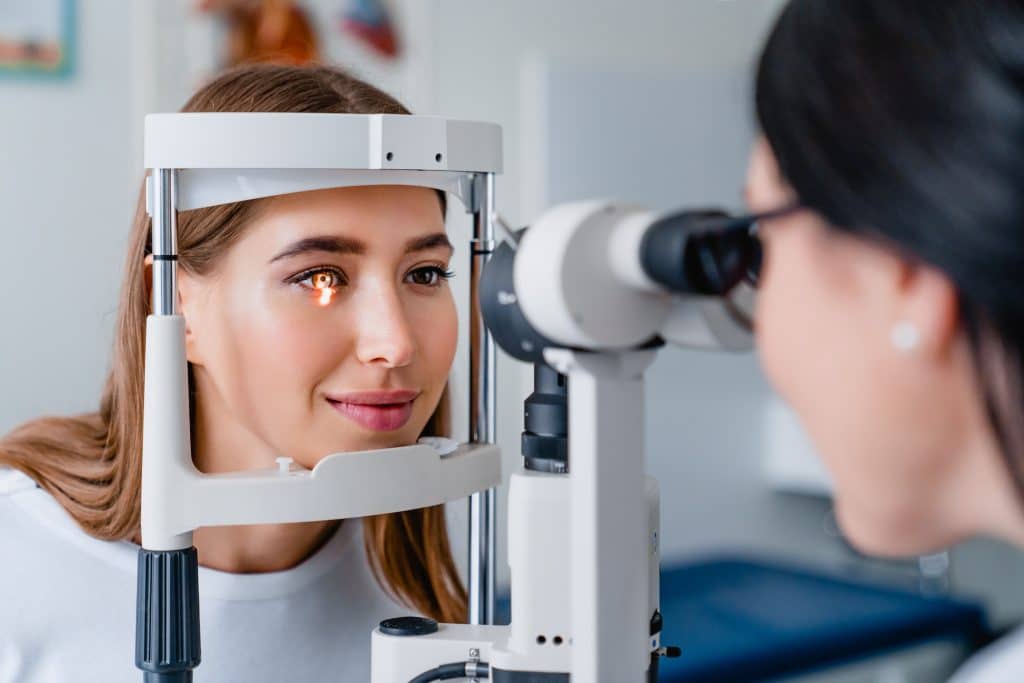
While many dry eye symptoms can be managed with over-the-counter solutions and lifestyle changes, there are instances when professional intervention becomes necessary. Persistent redness, pain, or visual disturbances warrant a visit to an eye specialist. Regular eye check-ups are also crucial, as they can detect potential issues before they become severe.
Ignoring or overlooking severe dry eye symptoms can lead to complications, including corneal damage. An eye specialist can provide a comprehensive evaluation, recommend appropriate treatments, and guide individuals on the best practices to maintain optimal eye health. It’s always better to be proactive and seek expert advice when in doubt.
Fight Back Against Dry Eyes!
Dry eyes, while common, should never be dismissed as a mere inconvenience. Through a combination of understanding, proactive measures, and timely interventions, one can effectively manage and even prevent this condition. As the world becomes increasingly digital and your environment continues to change, prioritizing eye health becomes paramount. By staying informed, making conscious choices, and seeking professional guidance when needed, you can ensure that your eyes remain comfortable, healthy, and clear-sighted in any circumstance!