
Monitoring Bone Health
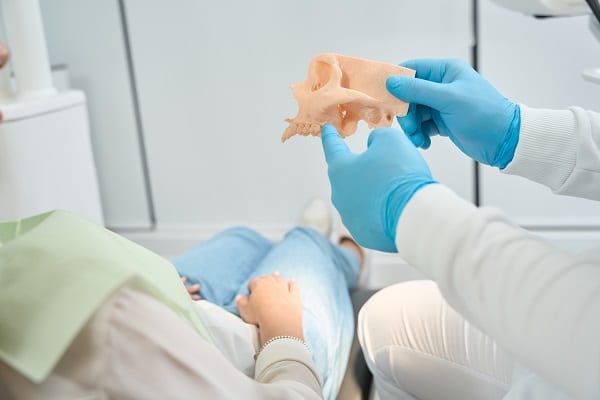
Monitoring bone health becomes as essential as taking measures to improve it. Regular bone density tests, known as DEXA scans, can offer insights into one’s bone health, highlighting potential areas of concern. Such assessments are especially crucial for post-menopausal women and older adults, who are more susceptible to bone-related issues.
Recognizing the early signs of bone disorders can make a world of difference. Symptoms like back pain, loss of height, or a stooped posture can indicate osteoporosis or other bone conditions. By staying vigilant and prioritizing regular check-ups, one can preemptively address issues and ensure their bones remain in optimal condition.
The Role Of Medications And Supplements
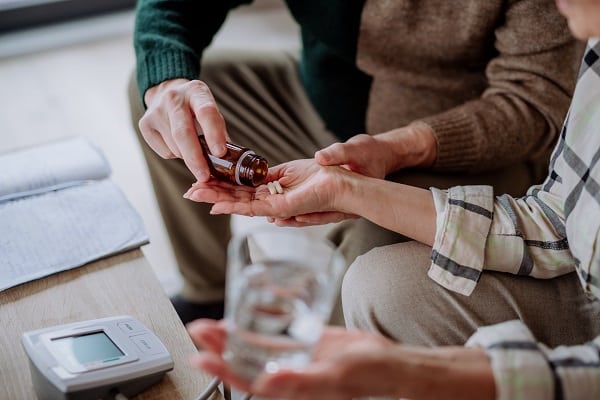
While natural means are ideal for maintaining bone health, sometimes, external interventions become necessary. Several osteoporosis medications can help increase bone density and reduce the risk of fractures. Bisphosphonates, for instance, help slow the bone breakdown process, while hormone-related therapies can assist in maintaining or increasing bone density.
Supplementation, particularly calcium and vitamin D, can benefit those who can’t get enough from their diet or those at a heightened risk of bone disorders. However, like all interventions, it’s essential to consult a healthcare professional before starting any medication or supplement regimen to ensure its appropriateness and avoid potential side effects.
Addressing The Myths

The realm of bone health, like many health topics, is riddled with myths and misconceptions. One prevalent myth is that drinking milk alone can guarantee robust bones. While milk is a rich source of calcium, relying solely on it can be insufficient, especially if one doesn’t get adequate vitamin D to facilitate calcium absorption.
Furthermore, the belief that bone health is only a concern in old age is flawed. Bone density reaches its peak in our late twenties, after which it gradually declines. Therefore, the practices and habits developed in youth can significantly influence bone health in later life. Dispelling such myths is essential to foster a well-rounded understanding and approach to bone health.
The Link Between Bone Health And Overall Well-Being
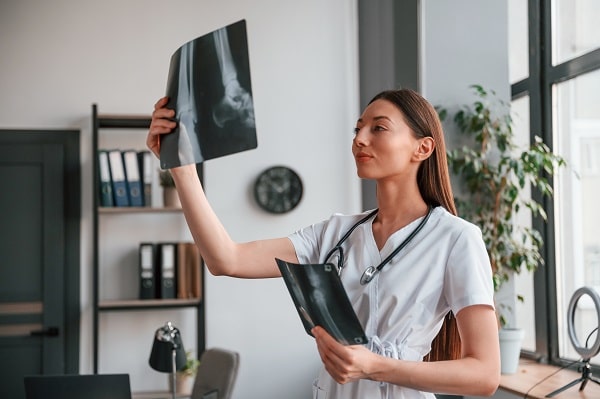
Bones might be rigid structures, but their health is intrinsically linked to our well-being. A robust skeletal system enables mobility, facilitates physical activity, and enhances the quality of life. Moreover, strong bones indirectly protect against other health issues, given that a fracture can lead to prolonged immobility, increasing the risk of complications like blood clots or respiratory issues.
Furthermore, the interconnectedness of bones, muscles, and joints means that the health of one affects the others. A holistic approach, which considers the well-being of the entire musculoskeletal system, is thus paramount. Bone health is more than an individual concern; it reflects overall vitality and wellness.
The Bottom Line
Often overlooked in the broader health narrative, our bones are a testament to the body’s intricate design and the harmony of its systems. Ensuring their strength is not just about preventing fractures or disorders; it’s about championing a life of vigor and vitality. As the scaffolding that supports our every move, the health of our bones is intimately tied to our life’s quality. In the journey towards overall wellness, let’s ensure that our bones remain strong, resilient, and ready to carry us forward into a life full of potential and possibilities.