The Role Of Healthcare Professionals In Preventing Overuse

Healthcare professionals play a crucial role in preventing the overuse of antibiotics. Prescribers, such as physicians and nurse practitioners, are responsible for ensuring that antibiotics are prescribed only when necessary and that patients receive the correct dosage and duration of treatment. This requires staying up-to-date on the latest guidelines and research regarding antibiotic use.
In addition, healthcare professionals can play a critical role in educating patients about the proper use of antibiotics and the dangers of misuse. By discussing the risks of antibiotic resistance with patients and encouraging them to complete their prescribed course of treatment, healthcare providers can help promote responsible use and reduce the likelihood of resistance developing.
The Pharmaceutical Industry’s Responsibility

The pharmaceutical industry also has a significant role to play in addressing the issue of antibiotic overuse. For many years, there has been a decline in the development of new antibiotics, partly due to the high costs and low financial returns associated with antibiotic research. This has resulted in a limited arsenal of drugs to combat resistant bacteria, making it even more essential to use existing antibiotics judiciously.
In addition to investing in developing new antibiotics, pharmaceutical companies can contribute to combating resistance by promoting responsible use of their products. This includes providing accurate information about appropriate antibiotic use to healthcare professionals and consumers and engaging in responsible marketing practices that do not encourage the unnecessary use of antibiotics.
Government Regulations To Address Overuse

Governments worldwide have an essential role in addressing antibiotic overuse and resistance. They can implement regulations and policies that promote the responsible use of antibiotics in human medicine and agriculture. This may include restricting the use of antibiotics as growth promoters in livestock, implementing surveillance systems to monitor antibiotic resistance, and promoting education and awareness campaigns about the proper use of antibiotics.
Moreover, governments can support the development of new antibiotics and alternative treatments by funding research and development, offering incentives to pharmaceutical companies, and fostering international collaboration on research efforts. These initiatives can help to ensure that new treatments are available to combat resistant bacteria and mitigate the consequences of antibiotic resistance.
Educating The Public On Proper Antibiotic Use
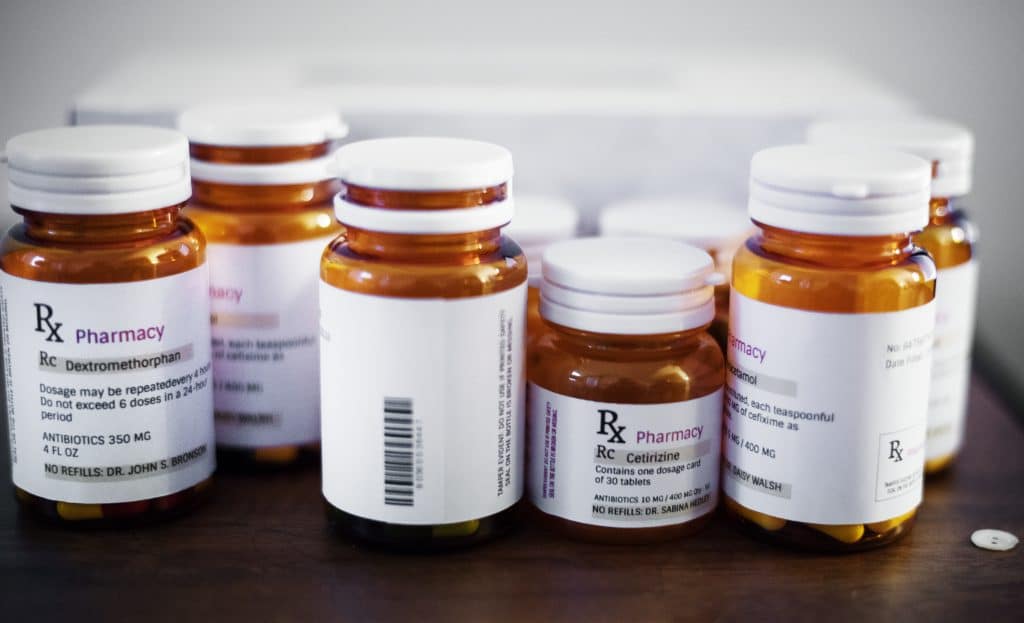
Public education is a vital component of any strategy to reduce antibiotic overuse. Individuals can become more informed and conscientious healthcare consumers by raising awareness about the dangers of antibiotic resistance and the importance of responsible antibiotic use. This may involve educational campaigns targeted at the general public and targeted interventions for specific populations, such as parents of young children, who may be more likely to seek antibiotics for viral illnesses.
Furthermore, empowering individuals to engage in open dialogue with their healthcare providers about antibiotic use can help to ensure that antibiotics are prescribed only when necessary. By understanding the risks associated with antibiotic overuse and taking an active role in their healthcare, the public can contribute to reducing the spread of antibiotic resistance.
Alternative Treatments And Future Innovations

In addition to promoting responsible antibiotic use, investing in developing alternative treatments and innovative solutions to combat resistant bacteria is crucial. This may include research into novel antimicrobial agents, using bacteriophages (viruses that infect and kill bacteria), and exploring immunotherapies that enhance the body’s natural defenses against infection.
Moreover, advancements in diagnostic technologies can help to quickly and accurately identify bacterial infections, ensuring that antibiotics are prescribed only when necessary and reducing the risk of resistance. Developing and implementing these alternative approaches can help alleviate the burden of antibiotic resistance and protect public health.
Pay Attention To The Dangers Of Overusing Antibiotics!
The dangers of overusing antibiotics are clear and far-reaching, affecting individuals, healthcare systems, and the global community. By understanding the causes and consequences of antibiotic resistance, stakeholders—including healthcare professionals, pharmaceutical companies, governments, and the public—can take action to promote responsible use and invest in the development of alternative treatments. Together, we can work to preserve the efficacy of antibiotics and protect the health of future generations.