Aging comes with many changes. One of the most drastic is typical to your skin. These changes can be due to various factors, including genetics, sun exposure, and lifestyle choices. In this post, you will learn about how aging affects your skin and what you can do to counteract these effects. It will also cover some of the most common skin problems associated with aging and provide tips for preventing them. So, whether you are just starting to experience signs of aging or have been dealing with them for a while, keep reading for information on maintaining healthy and beautiful skin!
Why Your Skin Changes As You Age

Your skin is your body’s largest organ, and it undergoes constant changes throughout your life. As you age, these changes become more visible and can result in several skin problems. The most common signs of aging skin are wrinkles, fine lines, dryness, thinning, and sagging. Most of these changes are due to decreased collagen and elastin production.
Collagen is a protein that helps keep your skin firm and elastic, while elastin allows your skin to stretch and return to its original shape. Unfortunately, your body produces less of these proteins with age, resulting in loose, saggy skin. Additionally, the loss of collagen and elastin can lead to the formation of wrinkles and fine lines. In the next section, you will learn more about the common signs of aging skin.
Common Ways Aging Affects Your Skin
While some of the changes listed above are inevitable, there are many things you can do to slow the aging process and keep your skin looking its best. Below are some of the most common ways that aging affects your skin and what you can do to prevent or treat them:
Wrinkles

As you age, your skin naturally becomes thinner and less elastic. This process is accelerated by exposure to ultraviolet (UV) light, which breaks down collagen and elastin fibers in the skin. The loss of these supportive structures causes the skin to form wrinkles. While there’s no way to stop the aging process completely, there are several things you can do to slow it down and prevent wrinkles from forming.
First, avoid prolonged exposure to sunlight or artificial UV light. Second, use a gentle cleanser and moisturizer daily to keep your skin hydrated and protected from external irritants. Finally, eat a healthy diet with plenty of fruits, vegetables, and healthy fats. These steps can help keep your skin looking young and wrinkle-free for years to come.
Dryness
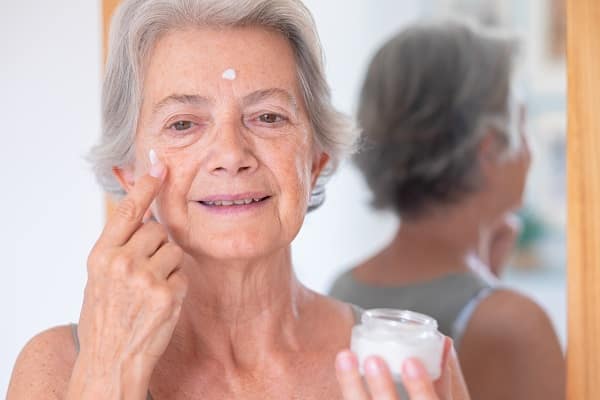
One of the most noticeable changes your skin goes through as you age is a loss of moisture. This can cause your skin to become dry, flaky, and rough. A number of factors contribute to this loss of moisture, including decreased production of natural oils, diminished blood flow, and reduced levels of collagen and elastin. Fortunately, there are several ways to combat dryness and keep your skin looking its best.
Regular use of a moisturizer can help to replenish lost moisture and protect your skin from further damage. In addition, using products that contain ingredients like hyaluronic acid or glycerin can help to attract and retain moisture. Finally, drink plenty of water throughout the day to keep your skin hydrated from the inside out. By taking these simple steps, you can help to keep your skin looking its best as you age.