Thinning

The process of thinning skin is gradual and usually starts around the age of 40. The loss of collagen and elastin fibers makes skin less firm, and the fatty tissues below the skin begin to shrink. As a result, your skin becomes thinner and more fragile. This increased fragility can lead to problems such as wrinkles, bruises, and even ripped skin. Thinning skin can also make it more difficult for wounds to heal properly.
To prevent your skin from thinning, you can do a few things. Most importantly, always wear sunscreen and clothing that protect your skin from the sun’s harmful rays. It is also best to avoid smoking as it damages collagen fibers and decreases blood flow to the skin. And finally, Eat a diet rich in fruits and vegetables. Use products that contain retinoids or alpha-hydroxy acids, which can reverse cell damage and help with collagen production. By being mindful of these actions, you can help to keep your skin thick and healthy as you age.
Sagging
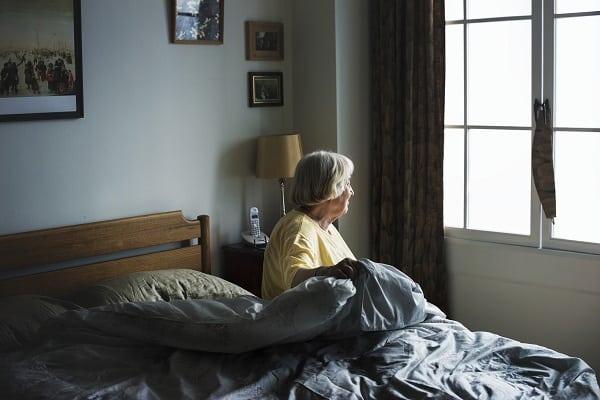
Sagging skin is one of the most visible effects of aging. As you have learned, your skin loses elasticity and becomes thinner as you age, making it less able to resist gravity. This can result in drooping eyelids, jowls, and a general loss of facial definition. While sagging skin is inevitable to some degree, there are several things you can do to help prevent it. The first step is to protect your skin from the sun. Ultraviolet rays can damage collagen and elastin, the fibers that give skin its structure.
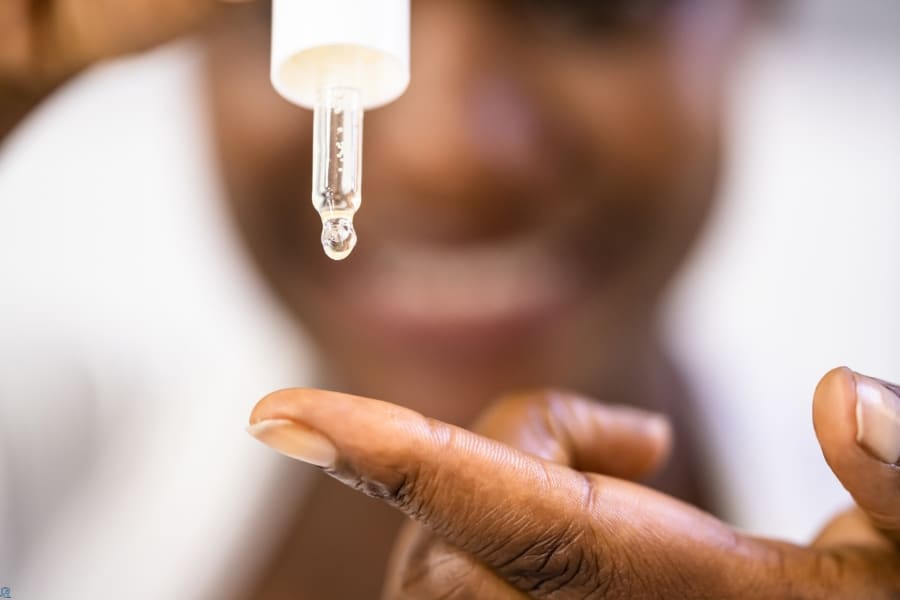
Next, you should use a moisturizer every day to help keep your skin hydrated and supple. Choose one that contains hyaluronic acid or glycerin, which attracts water and helps plump the skin. Finally, consider using a retinoid cream or serum. Retinoids stimulate collagen production and help to thicken the skin. Used consistently, they can help reduce the appearance of wrinkles and sagging skin. With a little care and attention, you can help keep your skin looking youthful and radiant.
Development Of Lesions

The development of lesions is the final effect of aging this post will cover. Lesions are typically small, round, and flat and can be either red or white. They are often found on the face, chest, and back. While they are not dangerous, they can be a nuisance. Lesions are caused by a build-up of keratinocytes, cells producing keratin. Keratin is a protein that helps to keep the skin tough and resilient. However, the older you are, the less keratin your skin produces. As a result, the keratinocytes accumulate on the skin’s surface.
This can eventually lead to the formation of lesions. However, there are several things you can do to prevent the development of lesions. First, you can use a gentle exfoliating cleanser to help remove dead skin cells. Second, you can use a moisturizer to help keep your skin hydrated. Lastly, you can use sunscreen to help protect your skin from the sun’s harmful rays. By taking these steps, you can help prevent the development of lesions and keep your skin looking its best.
Understand How Aging Affects Your Skin!
Aging is a natural process that happens to everyone. Unfortunately, the aging process can take a toll on your skin. However, there are several things you can do to help prevent or reduce the effects of aging on your skin. The first step is to understand what causes these different effects; from there, you can take the necessary steps to help keep your skin looking its best. If you struggle to manage them, don’t hesitate to speak with a dermatologist!