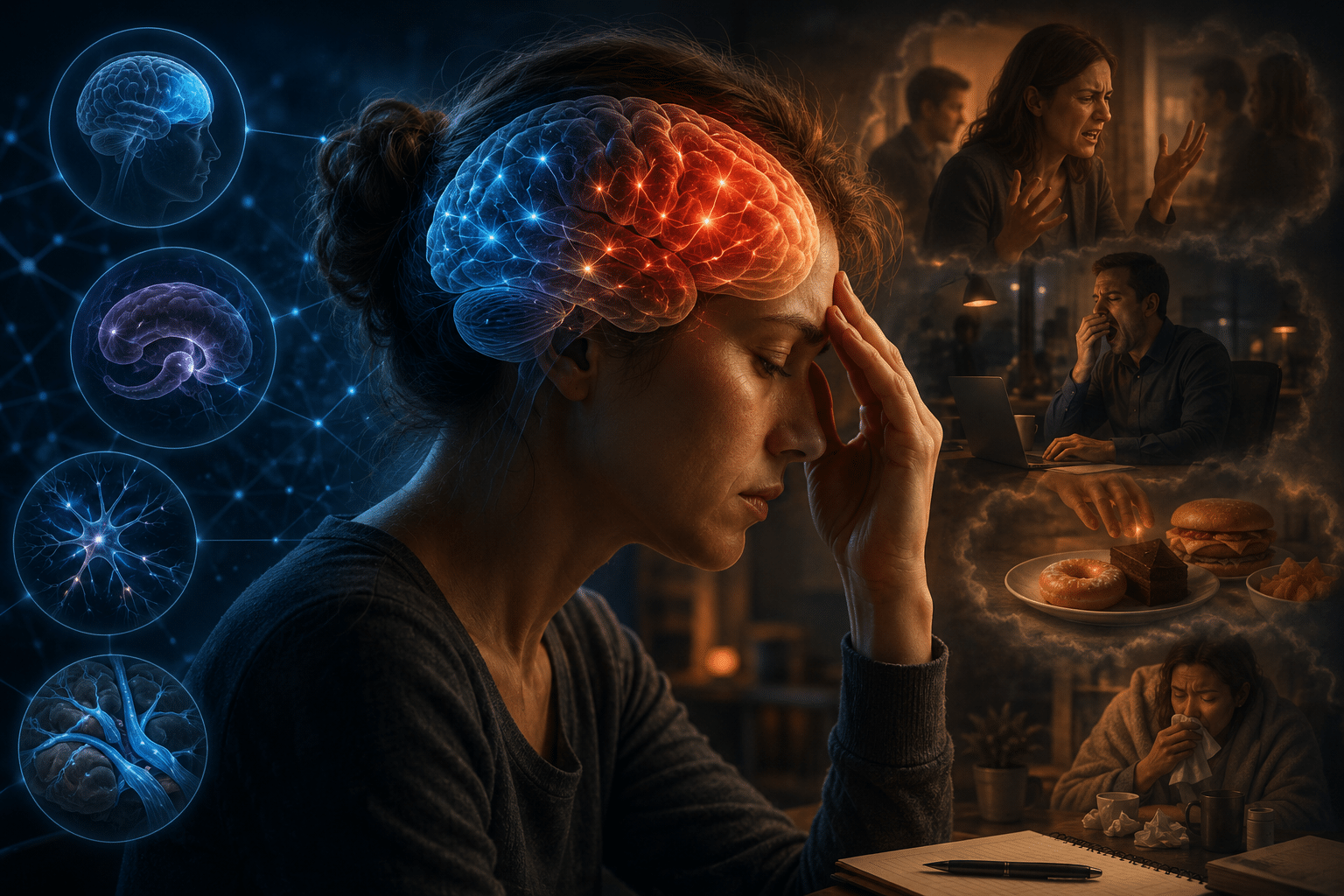

Issues With Your Digestive System
Your digestive system is a complex and sensitive system that can get off balance. Lifestyle factors, such as stress, poor diet, and lack of exercise, can contribute to digestive issues. However, one often-overlooked factor is sleep.
Sleep plays an essential role in regulating the body’s circadian rhythms. When you don’t get enough sleep, your body’s natural rhythms are disrupted, leading to various issues, including digestive problems. Studies have shown that sleep-deprived people are more likely to experience digestive issues.
Dealing With Heart Problems
Dealing with heart problems is often a sign that you are not getting enough sleep. The circadian rhythm, or your body’s internal clock, is strongly influenced by sleep patterns. When you don’t get enough restful sleep each night, you experience something known as sleep debt, which can disrupt your circadian rhythm and cause many negative health consequences.
One of the most severe effects of chronic sleep deprivation is an increased risk of developing chronic diseases, such as heart problems. When you are tired, your body produces higher levels of stress hormones like cortisol.
Cortisol can lead to inflammation and other issues that contribute to cardiovascular conditions. Additionally, insufficient sleep limits the body’s ability to regulate glucose levels and manage other critical physiological processes to maintain a healthy heart.
Is It Possible To Get Too Much Sleep?

It is no secret that getting a good night’s sleep is vital for overall health, but many don’t realize that sleeping too much is possible. Oversleeping can have just as many negative consequences as undersleeping.
One of the biggest problems with oversleeping is disrupting the body’s natural sleep-wake cycle. Disrupting the body’s natural sleep-wake cycle can lead to a condition known as rem sleep deprivation, which can cause fatigue, irritability, and difficulty concentrating. Oversleeping can also worsen underlying health conditions, such as depression and anxiety.
Of course, everyone’s sleep needs are different, and there is no magic number of hours that everyone should have. However, most experts agree that 7-8 hours per night is optimal for most people. So if you find yourself sleeping more than regularly, it might be time to make some changes.
Cutting back on caffeine and alcohol before bed, establishing a regular sleep schedule, and creating a relaxing bedtime routine can all help to promote better sleep. And if you’re still struggling with getting too much sleep, it’s essential to talk to a doctor to rule out any underlying medical conditions.
What Causes Oversleeping?

Most people need around eight hours of sleep per night. However, some people may need more or less sleep depending on their age group. For example, people in younger age groups need more sleep than adults. Elderly adults, on the other hand, often sleep for shorter periods.
Oversleeping is relatively common and can be from several factors, including sleep deprivation, medications, sleep disorders, and depression. In most cases, oversleeping is nothing to worry about and will resolve itself over time. However, if oversleeping interferes with your daily life, it may be worth seeing a doctor rule out any underlying health conditions.
What Are The Risks Of Oversleeping?

The risks of oversleeping are many and varied, and they can affect a person in both the short- and long-term. In the short term, an individual may experience daytime fatigue or drowsiness, interfering with alertness and productivity. For example, someone who oversleeps in the morning may struggle to focus on their work, resulting in lower quality performance. Over time, oversleeping can also lead to serious health problems.
Diabetes And Heart Disease
According to medical experts, spending too much time in deep sleep can be an underlying cause of diabetes and heart disease. When we oversleep, our bodies have a more challenging time regulating blood sugar levels, leading to diabetes.
In addition, oversleeping raises levels of certain hormones that cause high blood pressure, putting strain on the heart and raising the risk of heart disease. So if you find yourself struggling to get out of bed in the morning, it’s essential to consult with a doctor to rule out any underlying medical conditions.
Obesity Risks
There’s been a link between obesity and oversleeping, but researchers are trying to determine how they are connected. One theory is that underlying causes of obesity, such as hormonal imbalances or genetic factors, may also lead to oversleeping. Another possibility is that people who are obese tend to experience more deep sleep, which is associated with increased appetite and cravings for high-calorie foods.
Depression
Depression is a neurological disorder that can cause various symptoms, including oversleeping. While it is common for people with depression to experience fatigue and sleepiness, oversleeping is more than just feeling tired. It is a symptom of depression that can lead to other problems.
While the exact cause of this link is not clear, there is suspicion that the changes in the brain that occur with depression may play a role. It is essential to be aware of the potential risks associated with oversleeping.
How Much Sleep Do You Need?
So, how much sleep do you really need? It depends on various factors, including your age, lifestyle, and underlying health conditions. However, most experts agree that adults should aim for at least seven hours of sleep each night. And while it’s essential to get enough rest, oversleeping can have serious consequences.
If you struggle with sleeping problems, consult with a doctor to rule out any underlying issues. And remember, getting a good night’s sleep is vital for your health, but oversleeping can have serious consequences.