
Frontal Temporal Dementia

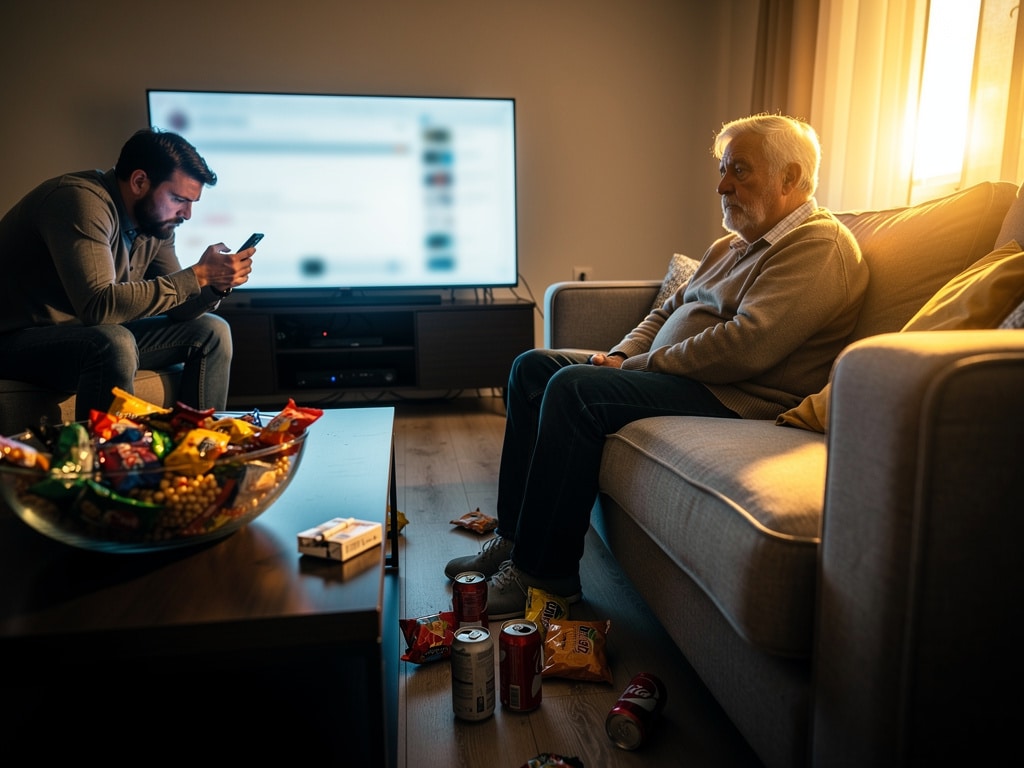
Deterioration of the frontal and temporal lobes of the brain causes FTD. The patient exhibits difficulty in communicating, drastic changes in social behavior, etc. The temporal lobe has to do with how a person behaves. In contrast, the frontal lobe dominates cognition, voluntary movements, and emotional processes—planning, analyzing, judging at all functions in the frontal lobe. People with FTD slowly start to withdraw from the outside world. Their behavior may be shocking at times. As the FTD advances, they completely lose interest in the world around them, including people. They lose emotional values and fail to understand their own and others’ feelings. Verbal communication also declines with time.
There are various kinds of Dementia known and researched thoroughly. In total, there are about 100 types of Dementia treated today. For example, years of substance abuse can lead to Dementia. In addition, traumatic brain injuries and Parkinson’s causes Dementia. Therefore, a proper diagnosis and treatment are of utmost critical for dementia patients.
Early Signs Of Dementia

There are about ten early signs of Dementia. While memory loss may not necessarily mean Dementia, it could be associated with aging, but one must always be watchful. At least two faculties must be impaired to call it out as Dementia: memory loss, along with difficulty in reasoning or communicating.
Given below are ten early symptoms of Dementia:
-
- Short-term memory loss, such as forgetting what they ate for lunch, where they kept something, or what they were supposed to do that day
- Trouble performing their daily tasks even if simple to do
- Finding difficulty to express their feelings
- Difficulty in learning new things, or losing interest in their hobbies
- Mood swings, depression, and drastic change in the social behavior
- Confucianism begins to forget familiar faces.
- Losing sense of direction
- Repeating phrases, tasks, or questions
- Difficulty following along the dialogues in the tv programs
- Fear and trouble adapting to new environment or difficulty in accepting changes
If anyone in your family is beginning to exhibit the above-given symptoms, consult a doctor immediately for a proper diagnosis and treatment.
What Are The Stages Of Dementia?

The phases of Dementia vary from person to person and depend on the types of Dementia too. Typically Dementia progresses in these seven stages;
-
- Medical tests might reveal a health issue, but still no signs.
- Not so noticeable changes in behavior and independence continue.
- Noticeable moderate decline in behavior, including forgetting events, repeating statements, and fluctuations in thought process
- The intermediate decline implies difficulty recalling events and dealing with money.
- Severe decline starts, moderate to severe, wherein dementia patients forget names and are unsure of the time of day, and require assistance with regular daily chores.
The decline in health condition is severe; patients forget their spouse’s name, their individuality is modified, and they require support in going to the bathroom and eating food.
The very severe phase of dementia, wherein the patient cannot walk, not speak out their feelings and thoughts, and most of the time they spend in the bed.
Bottom Line
The disease progresses slowly and has multiple phases. Finally, memory loss starts reflecting in all the activities, from minor to big tasks. The memory decline is life-changing for all the members of the family. Therefore, take great care of a dementia patient. However, medical assistance and memory care programs handle dementia patients with life and sustenance.